



Yin Yoga Sequencing for Deep Release and Nervous System Calm
Yin Yoga invites stillness, deep tissue release, and a gentle downshift in the nervous system. It is a grounding practice that targets fascia, ligaments, and joints through long held passive postures. Creating a safe Yin sequence requires understanding timing, props, anatomy, and energetic pacing. This guide offers a structured approach for building deeply calming Yin practices.
Yin Yoga supports flexibility, joint mobility, emotional regulation, and relaxation. With patience and proper alignment, it becomes a powerful tool for restoring balance in both mind and body.
What Makes Yin Yoga Unique?
Yin Yoga focuses on:
- Long, passive holds
- Minimal muscular engagement
- Slow pacing
- Deep tissue hydration
- Nervous system regulation
- Breath awareness
This style is ideal for students who need grounding, relaxation, and gentle mobility work.
Asana in Yoga: A Complete Guide to Structure, Purpose, and Progression
Essential Components of Yin Sequencing
1. Slow pacing
Holds range from two to five minutes per posture, sometimes longer for advanced practitioners.
2. Target areas
Yin targets specific anatomical regions rather than isolated muscles. Examples include the hips, spine, or inner thighs.
3. Stable shapes
Poses should feel safe and supported with no sharp or pulling sensations.
4. Props for comfort
Bolsters, blocks, pillows, and blankets allow students to relax fully.
5. Rebound time
Short resting periods between poses give tissues and the nervous system time to integrate.
Foundational Yin Poses for Sequencing
Butterfly Pose (Baddha Konasana Yin variation)
Targets inner thighs and lower back.
Use blocks under knees if joints feel strained.
Sphinx Pose (Salamba Bhujangasana Yin variation)
Gentle backbend that hydrates the lumbar spine.
Support elbows with blankets for comfort.
Sleeping Swan (Eka Pada Rajakapotasana Yin variation)
Deep hip opening.
Place a bolster under the front hip for support.
Caterpillar Pose (Paschimottanasana Yin variation)
Targets the hamstrings and spine.
Use a bolster across the thighs for soft forward folding.
Deer Pose (Mrigiasana)
Supports hip rotation and spinal release.
Great for students who cannot tolerate deep Pigeon variations.
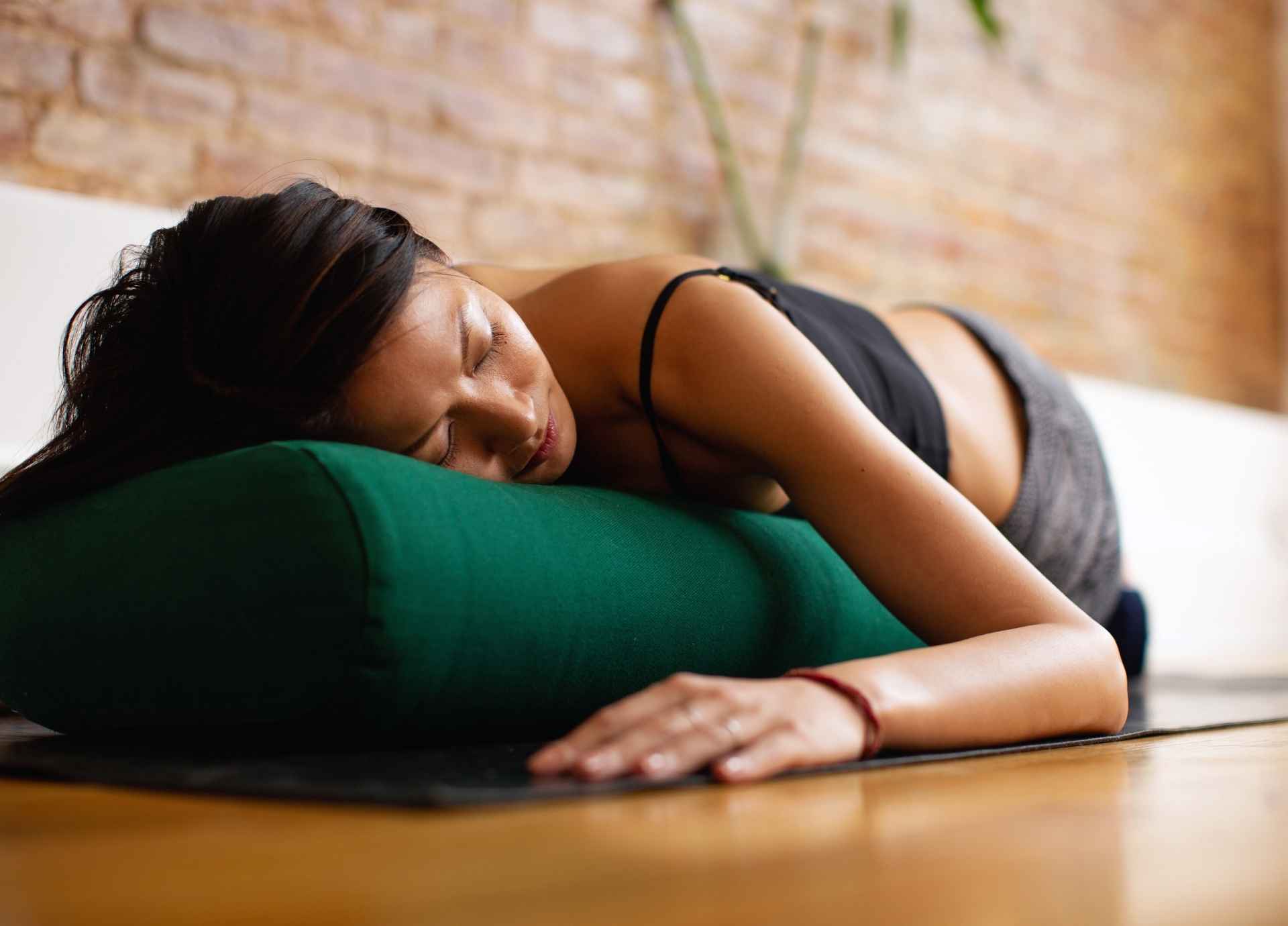
Supported Child’s Pose (Balasana Yin variation)
Calms the nervous system.
Rest chest and head on a bolster for grounding.
These postures form the core of many Yin sequences.
Structuring a Yin Yoga Class
1. Arrival and Breath
Begin seated in Easy Pose (Sukhasana) or Supported Child’s Pose (Balasana).
Guide the breath into slow, even patterns.
2. Gentle Warm Up
Introduce light mobility with neck rolls or Cat Cow (Marjaryasana Bitilasana) to prepare joints.
3. Main Sequence
Choose three to five target areas.
Example sequence for hips and spine:
- Butterfly Pose (Baddha Konasana), three minutes
- Sleeping Swan (Eka Pada Rajakapotasana), three to five minutes each side
- Caterpillar Pose (Paschimottanasana), three minutes
- Sphinx Pose (Salamba Bhujangasana), three minutes
- Deer Pose (Mrigiasana), two to three minutes each side
Include a one minute rebound after each posture.
4. Cool Down
- Supported Twist (Supta Matsyendrasana variation)
- Supported Child’s Pose (Balasana)
- Reclined Bound Angle (Supta Baddha Konasana)
Allow the breath to slow naturally.
5. Final Rest
Savasana (Savasana) for five to eight minutes.
Common Yin Yoga Mistakes
- Forcing depth or pushing into joints
- Holding the breath
- Staying too long in discomfort
- Using too few props
- Moving too quickly between shapes
- Overloading vulnerable knees or hips
Yin Yoga should feel stable and supported, not intense or painful.
Props and Modifications
- Bolsters: under the torso in forward folds
- Blankets: under knees or ankles
- Blocks: support outer thighs or hips
- Pillows: for chest support in reclined poses
Props create safety and allow the nervous system to soften.
Breath and Nervous System Regulation
Encourage:
- Slow nasal breathing
- Longer exhalations
- Soft belly and rib expansion
- Gentle sighing or relaxing exhales
This activates the parasympathetic nervous system, which supports emotional and physical release.
Prenatal and Baby Yoga Note
For pregnancy:
- Avoid deep forward folds that compress the belly
- Choose wide leg Butterfly (Baddha Konasana) with props
- Replace Sleeping Swan with Supported Side Lying
- Focus on hip stability rather than depth
Postpartum: emphasize gentle, supported stretches and avoid overstretching due to lingering ligament laxity.
From Personal Experience
Yin Yoga teaches patience and presence. The more you soften into support and breath, the more the body responds with ease and spaciousness. Yin is a practice of listening rather than doing.
Intention (Sankalpa)
I soften into stillness and allow my body to release with ease.
Closing
Yin Yoga supports deep release and nervous system regulation through slow pacing and mindful stillness. With proper sequencing, props, and awareness, the practice becomes grounding and restorative. Let this guide help you create Yin classes that promote calm, clarity, and gentle transformation.
Post a Comment