

![Chiron: The Wounded Healer — Healing, Wisdom & Transformation [Astrology Planet & Witchcraft Guide]](https://test.houseofwitchcraft.co/wp-content/uploads/2025/08/astrology-chiron-planet-guide-wounded-healer-150x150.jpg)



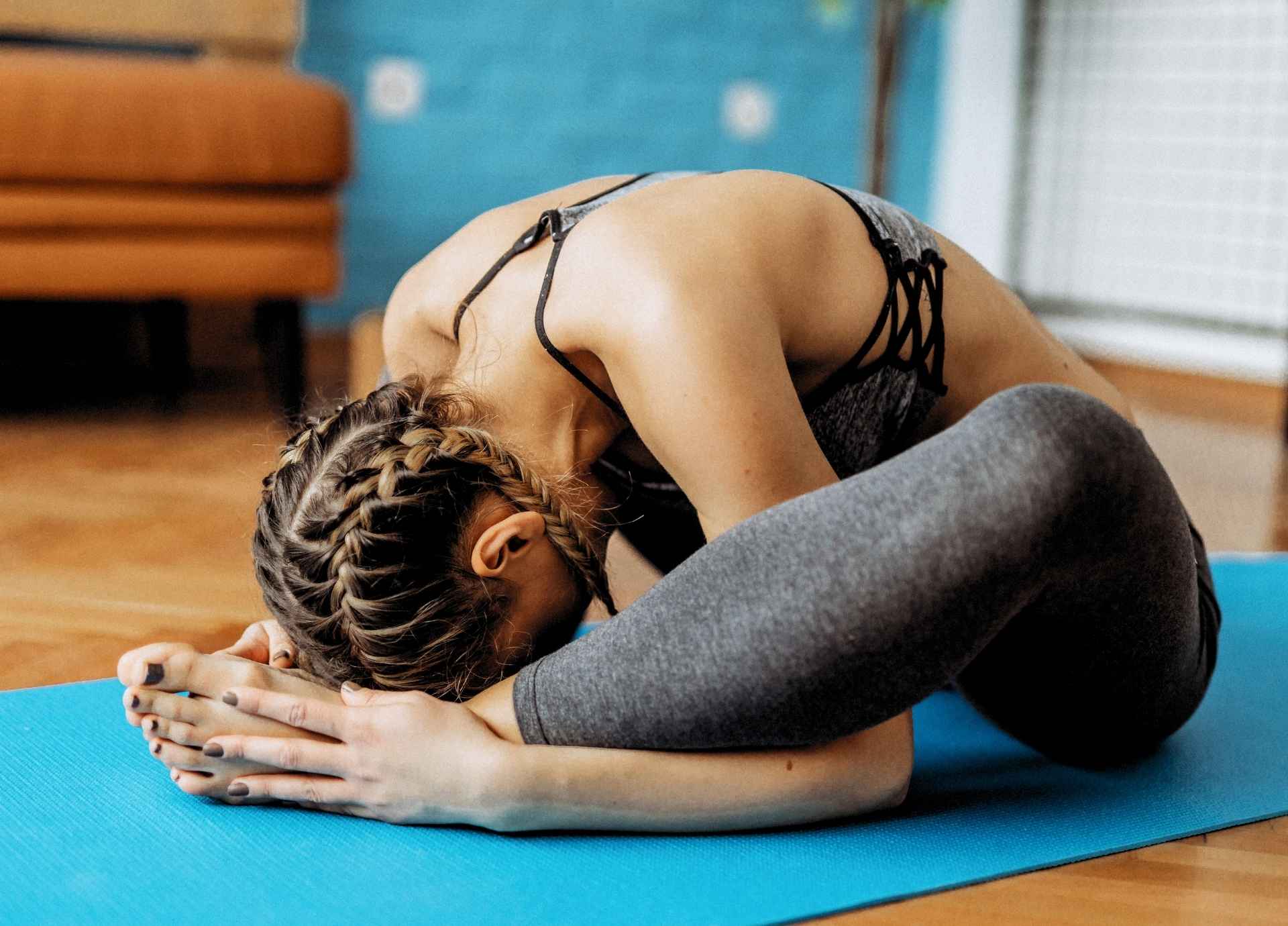
Yin Yoga for Beginners: Softening Into Stillness
Yin Yoga is a slow, floor based practice that focuses on stillness and longer held postures. Unlike dynamic styles, Yin targets deeper connective tissues such as fascia, ligaments, and joints. For beginners, the key is not intensity but patience, support, and steady breath. Yin Yoga offers space to slow down, soften muscular effort, and cultivate awareness.
Yin Yoga is about duration and ease, not depth.
What Makes Yin Yoga Different
Yin Yoga differs from more active practices in several ways:
- Poses are held for one to five minutes or longer
- Muscles are encouraged to soften rather than actively engage
- Most shapes are done seated or lying down
- Transitions are slow
- The breath remains natural
- The nervous system gradually settles
The goal is gentle stress on connective tissue, not muscular strength building.
Asana in Yoga: A Complete Guide to Structure, Purpose, and Progression
The Physiology of Yin Yoga
When a pose is held with relaxed muscles, the deeper layers of tissue receive mild, sustained pressure. Over time, this may support:
- Joint mobility
- Fascial hydration
- Improved circulation
- Reduced stiffness
- Nervous system regulation
Because Yin works below the muscular layer, sensations can feel different from typical stretching. They may feel dull, deep, or steady rather than sharp.
How Long Should Beginners Hold Poses
For beginners:
- Start with 1 to 2 minutes
- Gradually increase to 3 minutes
- Focus on quality of breath rather than duration
- Exit slowly and mindfully
Duration should never create strain.
Foundational Yin Poses for Beginners
Butterfly Pose (Baddha Konasana variation)
- Sit upright
- Bring soles of feet together
- Fold forward gently
- Support knees with blocks
Targets inner thighs and lower back.
Caterpillar Pose (Paschimottanasana variation)
- Legs extended forward
- Round spine gently
- Rest hands beside legs
- Use bolster over thighs if needed
Encourages back body lengthening.
Dragon Pose (Anjaneyasana variation)
- One foot forward
- Back knee down
- Keep hands on blocks
- Avoid sinking deeply
Targets hip flexors safely.
Sphinx Pose (Salamba Bhujangasana)
- Forearms on floor
- Gentle backbend
- Keep lower back comfortable
Opens chest and stimulates spine gently.
Supported Child’s Pose (Balasana)
- Use bolster under torso
- Relax completely
- Allow breath to slow
Deeply calming and grounding.
Supine Twist (Supta Matsyendrasana)
- Knees drop to one side
- Support knees with blanket
- Keep shoulders relaxed
Encourages gentle spinal rotation.
Sensation Versus Pain
In Yin Yoga, sensation should feel:
- Mild to moderate
- Dull rather than sharp
- Steady
- Sustainable
Exit immediately if you feel:
- Sharp pain
- Nerve tingling
- Joint compression
- Breath restriction
The practice should feel stable and spacious.
Nervous System Benefits
Because Yin encourages stillness, it supports:
- Parasympathetic activation
- Slower breathing
- Emotional grounding
- Mental clarity
- Reduced stress
Long holds invite the body to settle naturally.
Props for Beginners
Props make Yin accessible:
- Bolsters for torso support
- Blocks under knees
- Blankets under hips
- Straps for gentle reach
- Cushions for comfort
More support often creates better results.
Prenatal and Postpartum Considerations
Prenatal:
- Avoid deep compression
- Keep space for belly
- Use wide leg positions
- Avoid long supine holds after first trimester
Postpartum:
- Avoid deep overstretching
- Support core gently
- Keep breath natural
- Shorten hold times initially
Comfort and stability always guide the practice.
From Personal Experience
Yin Yoga often feels unfamiliar at first because it requires stillness. Over time, the simplicity becomes supportive. The longer holds create space for observation rather than effort. For beginners, this can become a valuable contrast to faster paced movement.
Intention (Sankalpa)
I soften into stillness and allow my body to open with patience.
Yin Yoga Sequencing for Deep Release and Nervous System Calm
Closing
Yin Yoga offers beginners a steady and accessible way to explore stillness, mobility, and nervous system regulation. Through supported postures and patient breath, the body gradually releases tension. Let this practice be an invitation to slow down and listen deeply.
Post a Comment