





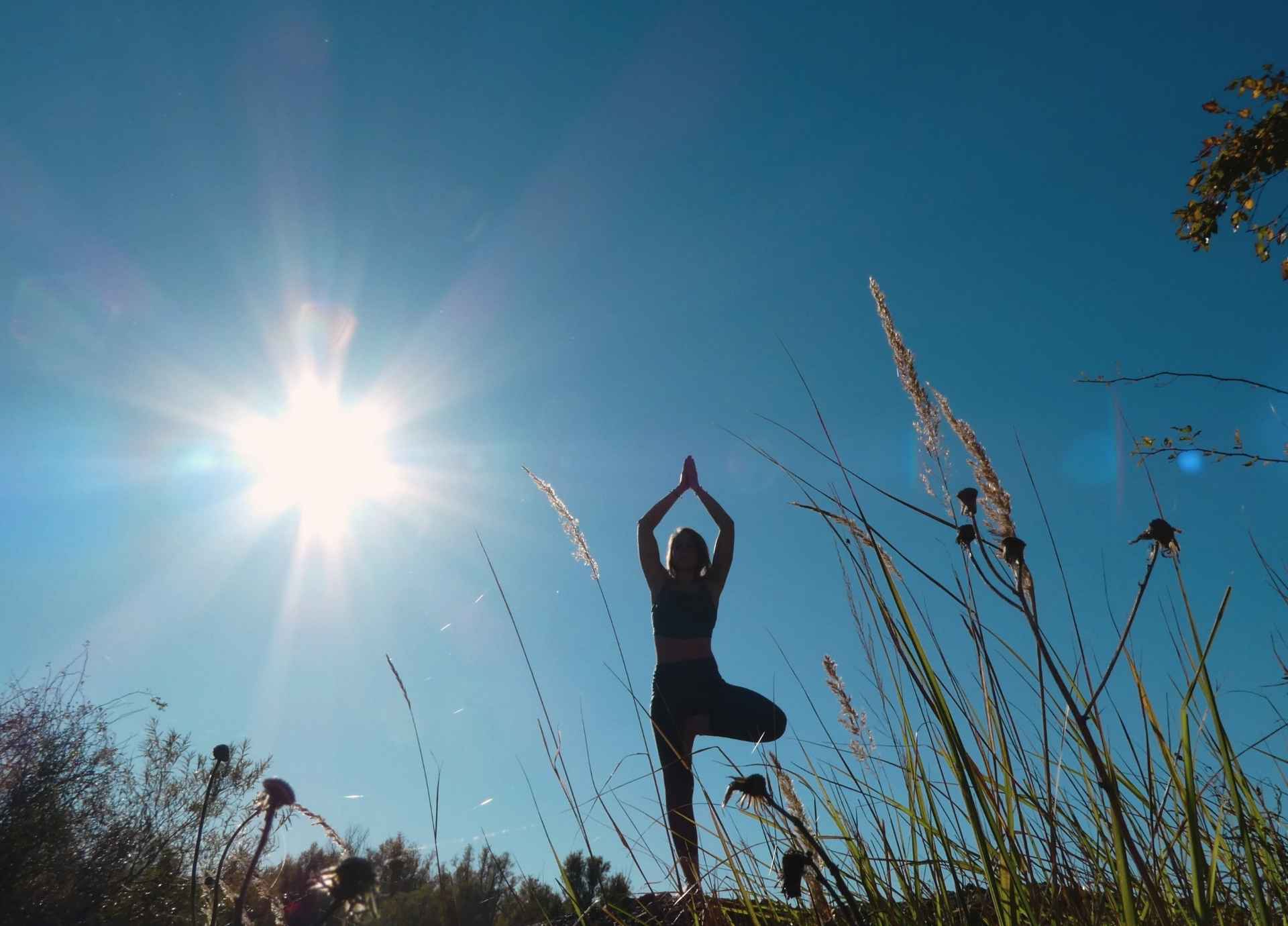
Asana in Yoga: A Complete Guide to Structure, Purpose, and Progression
Asana in yoga refers to the physical postures practiced to cultivate stability, strength, and preparation for meditation. While modern yoga often emphasizes flexibility and advanced shapes, classical asana was designed to support steadiness and comfort. Understanding the purpose, structure, and progression of asana transforms posture practice into an integrated system rather than isolated movement.
Asana prepares the body for steadiness of mind.
What Is Asana in Yoga
In classical texts, Asana is defined as a steady and comfortable seat.
Modern posture practice evolved over time to include:
- Standing poses
- Forward folds
- Backbends
- Twists
- Balances
- Inversions
The deeper purpose remains:
- Stability
- Breath awareness
- Nervous system regulation
- Preparation for meditation
Asana is a limb of yoga, not the entirety of yoga.
The Purpose of Asana Practice
Effective asana practice supports:
- Joint mobility
- Muscular strength
- Postural awareness
- Breath coordination
- Proprioception
- Mental focus
It builds physical resilience while refining attention.
When practiced correctly, asana enhances regulation rather than overstimulation.
The Structure of a Balanced Asana Practice
A well designed sequence typically includes:
- Joint preparation and warm up
- Standing poses
- Peak posture or focused theme
- Counterposes
- Seated work
- Supine postures
- Savasana
Logical progression reduces injury risk and improves integration.
Sequencing should move from general preparation to specific intensity.
Categories of Asana
Standing Poses
Build strength and grounding.
Examples:
- Warrior variations
- Triangle pose
- Chair pose
Support root stability and confidence.
Forward Folds
Lengthen posterior chain and calm the nervous system.
Support:
- Hamstring mobility
- Parasympathetic activation
- Internal focus
Backbends
Open anterior body and increase energy.
Support:
- Spinal extension
- Postural awareness
- Respiratory expansion
Should be counterbalanced with forward folds.
Twists
Improve rotational mobility and awareness.
Support:
- Spinal mobility
- Digestive stimulation
- Core engagement
Twists require careful spinal alignment.
Balances
Develop coordination and concentration.
Support:
- Neuromuscular control
- Focus
- Joint stability
Inversions
Alter gravitational orientation.
Support:
- Circulation
- Shoulder stability
- Confidence
Should be introduced progressively.
Biomechanics and Safety in Asana
Safe asana practice requires:
- Neutral spinal awareness
- Joint alignment
- Gradual loading
- Controlled transitions
- Breath stability
Common risks arise from:
- Overstretching
- Forcing end range
- Ignoring fatigue
- Misaligned weight bearing
Progression must be gradual.
Asana and the Nervous System
Slow, steady sequences may:
- Reduce stress
- Improve vagal tone
- Enhance emotional regulation
Fast dynamic flows may:
- Increase alertness
- Stimulate energy
- Improve circulation
Balance between activation and grounding is essential.
Here is a complete guide about yoga and the nervous system.
Asana and Breath Integration
Breath guides movement.
Inhalation often supports:
- Expansion
- Spinal extension
- Arm lifting
Exhalation often supports:
- Folding
- Twisting
- Grounding
Breath should remain smooth and controlled.
If breath becomes strained, intensity should decrease.
Here is a complete pranayama guide.
Progression in Asana Practice
Progression should follow:
Mobility before intensity
Stability before flexibility
Control before complexity
Advanced shapes without foundational strength increase injury risk.
Consistency matters more than dramatic range.
Here is a complete yoga asana guide.
Prenatal and Postpartum Considerations
Prenatal:
- Avoid deep compression
- Avoid strong twists
- Avoid intense backbends
- Emphasize grounding and breath
Postpartum:
- Rebuild core stability gradually
- Avoid aggressive abdominal pressure
- Reintroduce intensity slowly
Adaptation ensures safety.
Here is a complete prenatal yoga guide.
Common Mistakes in Asana Practice
- Overemphasis on flexibility
- Ignoring breath
- Practicing without warm up
- Copying advanced shapes prematurely
- Skipping recovery
Sustainable practice prioritizes alignment and consistency.
The Philosophical Context of Asana
Asana prepares the body for:
- Pranayama
- Concentration
- Meditation
Without physical steadiness, prolonged seated practice becomes difficult.
Posture is preparation, not performance.
Here is a complete yoga philosophy guide.
Signs of a Sustainable Asana Practice
- Reduced pain
- Improved mobility
- Stable breath
- Faster recovery
- Balanced energy after practice
Practice should build resilience, not exhaustion.
From Personal Experience
Moderate and consistent asana practice often produces better long term results than aggressive intensity. Stability and breath control create more sustainable progress than chasing advanced shapes.
Intention (Sankalpa)
I practice asana with steadiness, awareness, and sustainable progression.
Closing
Asana in yoga is a structured system designed to cultivate stability, strength, and preparation for meditation. When sequenced logically and practiced with breath awareness, posture becomes a tool for resilience rather than performance. Let your asana practice remain grounded, progressive, and aligned with long term balance.
Post a Comment