





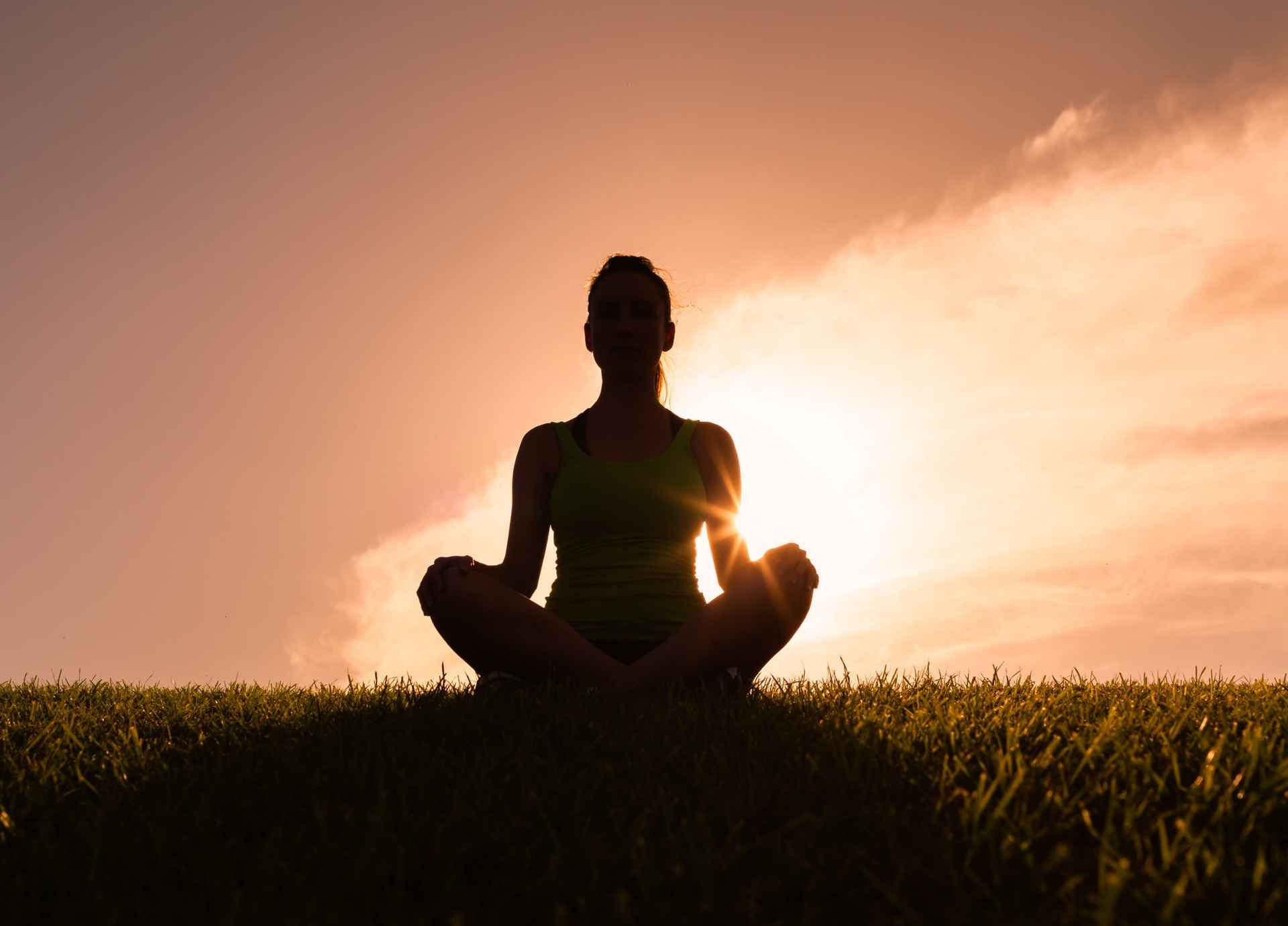
Ishvara Pranidhana in Yoga: The Practice of Surrender Explained
Ishvara Pranidhana in yoga refers to the practice of surrendering to a higher principle. Often misunderstood as passive resignation, this concept instead invites humility and release of excessive control. Within classical yoga philosophy, surrender balances discipline and effort, preventing ego driven intensity from dominating practice.
Effort and surrender must coexist.
What Does Ishvara Pranidhana Mean in Yoga
The term combines three elements:
Ishvara
Higher reality or organizing intelligence
Pranidhana
Dedication or surrender
In practice, it means dedicating action to something beyond personal ego.
Interpretation may vary depending on belief system. It does not require adherence to a specific religion.
Yoga Philosophy: A Complete Guide to the Foundations and Depth of Practice
Surrender in Practical Terms
Ishvara Pranidhana may look like:
- Accepting outcomes beyond personal control
- Releasing rigid expectations
- Practicing without ego attachment
- Trusting gradual progress
- Letting go of perfectionism
It balances the discipline of Tapas.
Ishvara Pranidhana and the Ego
Without surrender, discipline can become rigid.
Ego attachment may appear as:
- Needing recognition
- Forcing progress
- Over identifying with achievement
- Comparing constantly
Surrender reduces excessive identification.
It creates space between effort and outcome.
Surrender in Asana Practice
In posture practice, Ishvara Pranidhana may appear as:
- Releasing the need to achieve a certain shape
- Accepting physical limitations
- Softening unnecessary tension
- Allowing rest when needed
Effort remains, but strain decreases.
Surrender in Meditation
In meditation:
- Thoughts arise
- Attention drifts
- Sessions vary in depth
Surrender means:
- Not forcing silence
- Not judging distraction
- Allowing awareness to unfold naturally
Steadiness develops through patience.
The Nervous System Perspective
Excessive control often increases stress response.
Surrender may support:
- Reduced tension
- Lower sympathetic activation
- Improved emotional regulation
- Greater resilience during uncertainty
Control tightens. Surrender softens.
Balance between effort and release stabilizes the system.
Ishvara Pranidhana and Uncertainty
Life transitions often challenge control.
During:
- Career change
- Illness
- Pregnancy
- Postpartum recovery
- Emotional shifts
Surrender allows adaptation rather than resistance.
It does not remove responsibility.
It reduces internal struggle.
Obstacles to Surrender
Common challenges include:
- Fear of losing control
- Desire for certainty
- Perfectionism
- Attachment to identity
- Distrust of process
Gradual practice strengthens capacity to release.
From Personal Experience
Periods of over effort often lead to tension and fatigue. Introducing surrender into practice shifts internal tone. When effort is balanced with release, progress feels steadier and less reactive.
Intention (Sankalpa)
I act with discipline and release what is beyond my control.
Closing
Ishvara Pranidhana in yoga teaches the balance between effort and surrender. By dedicating action beyond ego and releasing attachment to outcome, practice becomes steadier and more sustainable. Let surrender soften intensity while preserving commitment.
Post a Comment