





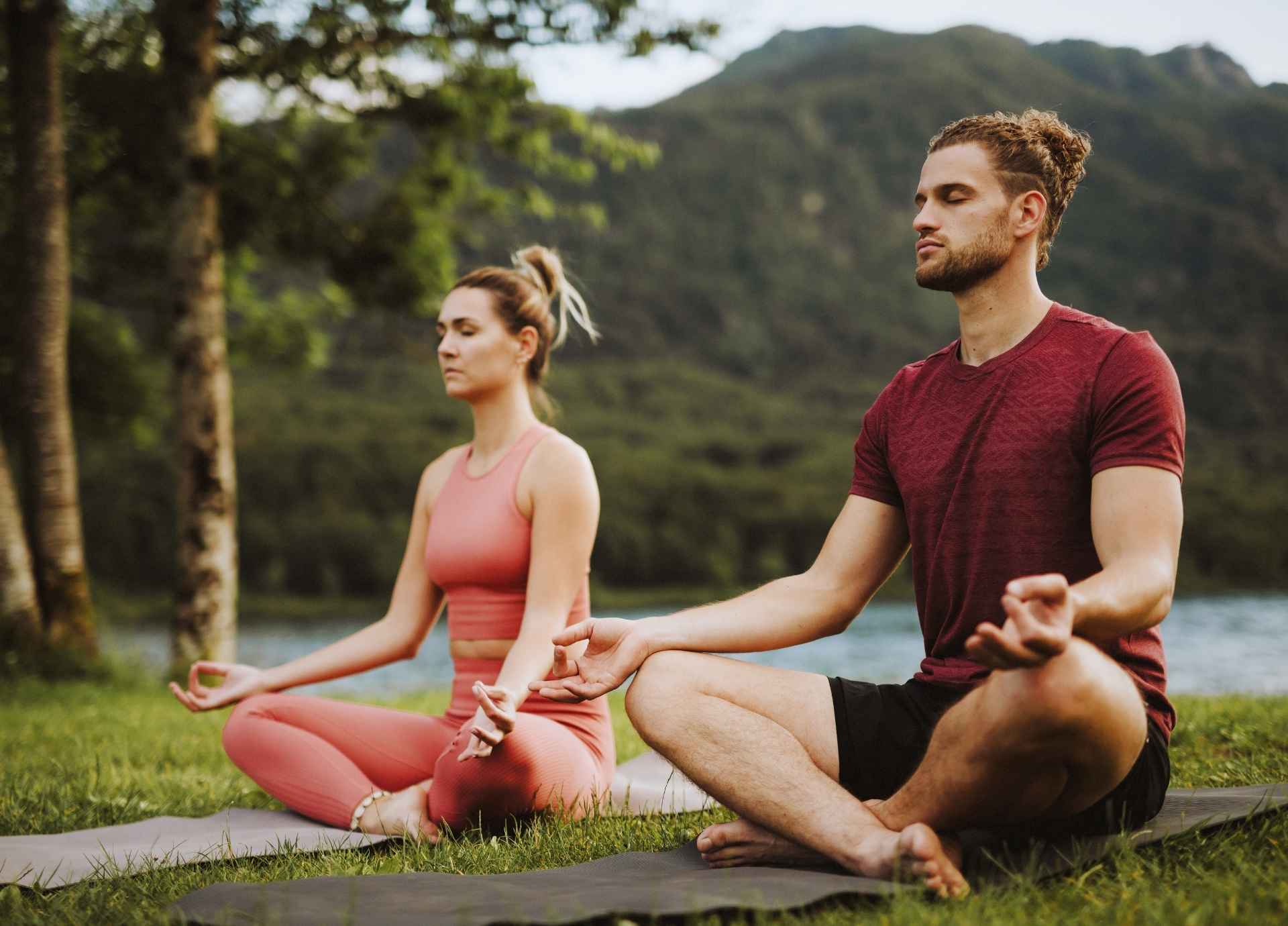
Pratyahara, The Lost Limb and Why It Matters Today
Pratyahara is one of the most overlooked limbs of yoga. Often described as withdrawing the senses, it is a practice of turning inward and reducing external noise so the mind can settle. In a world filled with constant stimulation, Pratyahara is not only relevant but deeply necessary. It invites quiet, clarity, and the ability to feel yourself without distraction.
Pratyahara is not isolation. It is the intentional choice to limit overstimulation so you can return to your inner landscape with more presence.
What Pratyahara Really Means
Pratyahara is the bridge between the external practices of yoga and the internal ones.
It asks the senses to soften their pull on your attention. This may feel like:
- Turning down external noise
- Reducing overstimulation
- Creating boundaries around your attention
- Choosing moments of inward focus
- Allowing space for self awareness
It is a practice of retreat without withdrawing from life.
You stay present, but with fewer distractions pulling your energy away.
Meditation in Yoga: A Complete Guide to Practice and Progression
Why Pratyahara Matters in Modern Life
Most modern environments demand constant attention. Notifications, screens, noise, and rapid movement all pull the senses outward. When this constant stimulation continues unchecked, it creates mental fatigue, difficulty concentrating, emotional overwhelm, and shallow breathing.
Pratyahara becomes essential because it creates space for:
- Nervous system recovery
- Emotional clarity
- Better focus
- Calmer reactions
- Less reactivity and more conscious choice
It is the pause that allows the mind to breathe again.
Everyday Examples of Pratyahara
Pratyahara is not an abstract concept. It shows up in simple choices:
You turn your phone face down during a conversation so you can be fully present.
You take five minutes in silence before starting your day instead of reaching for your screen immediately.
You sit in your car for a moment before walking into a busy environment, letting your breath deepen and your senses settle.
You lower the lights at night to help your nervous system calm.
You remove yourself from a noisy room and find a quiet corner where your thoughts feel clearer.
These choices bring your attention inward without disconnecting you from life.
Pratyahara in a Yoga Practice
In yoga, Pratyahara is often experienced during quieter postures or breath focused moments.
It can appear when:
- You close your eyes in a balancing pose
- You soften your attention in Child’s Pose (Balasana)
- You turn inward during Savasana (Savasana)
- You listen to your breath instead of the room around you
- You allow sensation to be felt without reacting immediately
It is the moment when outer noise fades and inner awareness sharpens.
How to Practice Pratyahara
1. Reduce sensory input
Soft lighting, fewer sounds, gentle environments.
2. Limit multitasking
Giving attention to one thing deepens clarity and presence.
3. Create quiet pauses
One minute of stillness can shift your entire state.
4. Close the eyes in practice
This helps redirect awareness toward breath and sensation.
5. Observe without reacting
Allow sensations to arise without immediate adjustment.
Pratyahara is built gradually, through small habitual shifts.
Pratyahara for Emotional Balance
Pratyahara does not suppress emotions.
It creates the space to feel them without outer stimulation amplifying them.
For example, when you feel overwhelmed, stepping away into a quiet room or taking a moment of inward breath helps your nervous system reset. You return more grounded and less reactive.
This is emotional regulation through sensory withdrawal.
Pratyahara in Pregnancy and Postpartum
This limb becomes especially supportive during pregnancy and postpartum:
- Reducing sensory overload helps manage fatigue
- Quiet environments support emotional stability
- Gentle inward focus encourages body awareness
- Soothing practices prepare the nervous system for rest
A few minutes of Pratyahara each day can soften overstimulation and create more spaciousness.
From Personal Experience
Pratyahara becomes transformative when practiced simply. You begin to notice where your attention leaks away, and you reclaim it gently. This creates moments of calm within the noise. Over time, those moments expand, and the inner world becomes clearer and more grounded.
Intention (Sankalpa)
I create space for quiet awareness and allow my senses to soften.
Closing
Pratyahara is a powerful yet accessible limb of yoga that supports clarity, emotional balance, and grounded presence. By gently withdrawing from overstimulation, you reconnect with your inner experience. Let this practice help you cultivate steadiness and calm in a world that constantly demands your attention.
Post a Comment