





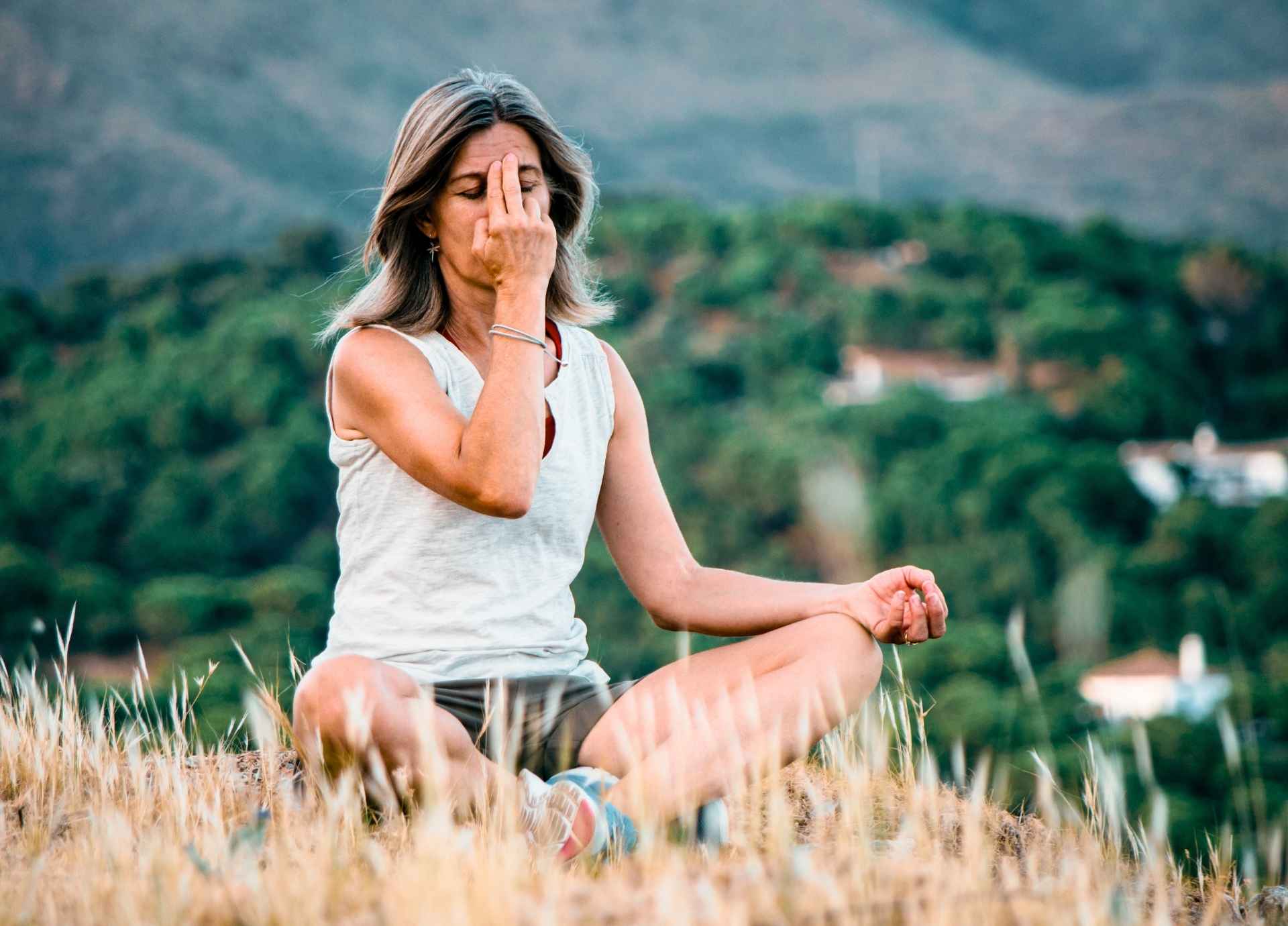
Signs You Are Overdoing Pranayama in Yoga
Pranayama in yoga is powerful. While breathwork can regulate the nervous system and support emotional balance, practicing too intensely or too frequently can create imbalance. Overdoing pranayama may lead to dizziness, anxiety, fatigue, or nervous system overstimulation. Understanding the warning signs helps you practice safely and sustainably.
Breathwork should feel stabilizing, not destabilizing.
Why It Is Possible to Overdo Pranayama in Yoga
Pranayama directly influences:
- Heart rate
- Blood pressure
- Carbon dioxide levels
- Nervous system activation
- Emotional regulation
Because breath alters physiology quickly, excessive or forceful practice can overwhelm the system.
Common Signs You Are Overdoing Pranayama
Dizziness or Lightheadedness
This may indicate:
- Hyperventilation
- Excessive force
- Overly long breath retention
- Too many rapid rounds
If dizziness occurs, stop immediately and return to natural breathing.
Increased Anxiety
Stimulating techniques such as Kapalabhati Yoga or strong breath retention can trigger sympathetic activation.
Signs include:
- Racing thoughts
- Restlessness
- Rapid heartbeat
- Feeling overwhelmed
Pranayama should reduce anxiety, not amplify it.
Chest Tightness
Over control of breath may create tension in:
- Intercostal muscles
- Diaphragm
- Throat
Breath should feel fluid and unforced.
Fatigue After Practice
Excessive breathwork can deplete energy, especially when done for long periods without guidance.
Moderation prevents depletion.
Irritability or Emotional Reactivity
Breath practices may surface emotions.
If emotional responses feel intense or destabilizing, reduce duration and intensity.
Sleep Disturbance
Practicing stimulating pranayama at night can interfere with rest.
Avoid activating techniques in the evening.
Techniques Most Commonly Overdone
- Kapalabhati Yoga
- Strong breath retention
- Extended breath ratios beyond comfort
- Rapid breathing patterns
- Long, unsupervised sessions
Gentle techniques such as Dirgha Pranayama Yoga are less likely to overwhelm the system.
Why Breath Retention Requires Caution
Holding the breath changes carbon dioxide levels in the body.
Extended or forced retention may:
- Increase blood pressure
- Create internal pressure
- Trigger anxiety
- Cause dizziness
Retention should only be introduced gradually and with experience.
How to Prevent Overdoing Pranayama
Start Small
5 to 8 minutes daily is sufficient for most practitioners.
Avoid Multiple Intense Techniques
Do not combine Kapalabhati Yoga with strong retention in one session.
Listen to the Nervous System
If you feel agitated afterward, reduce intensity.
Focus on Smooth Breath
Calming pranayama techniques should feel steady and controlled.
Progress Gradually
Increase duration slowly over weeks, not days.
Prenatal and Postpartum Considerations
Prenatal:
- Avoid stimulating pranayama
- Avoid breath retention
- Keep breath gentle and natural
Postpartum:
- Avoid strong abdominal contractions early
- Begin with diaphragmatic breathing
- Reintroduce advanced techniques gradually
Safety is essential during recovery.
Emotional Considerations
Pranayama can surface stored tension.
If emotional responses feel overwhelming:
- Return to simple nasal breathing
- Practice grounding asana
- Reduce session length
- Seek qualified guidance if needed
Breathwork should support regulation.
When to Seek Guidance
Consult a qualified teacher if you experience:
- Persistent dizziness
- Ongoing anxiety after practice
- Chest discomfort
- Panic responses
- Difficulty regulating breath
Pranayama is powerful and deserves respect.
From Personal Experience
Moderation creates long term benefits. Short, consistent sessions often produce more stable results than long, intense breathwork practices. When breath remains smooth and comfortable, the nervous system responds positively.
Intention (Sankalpa)
I practice pranayama with awareness, balance, and respect for my limits.
Closing
Pranayama in yoga offers profound benefits when practiced mindfully. Recognizing the signs of overdoing breathwork protects both the nervous system and emotional stability. Let your breath practice remain steady, supportive, and sustainable.
Post a Comment