




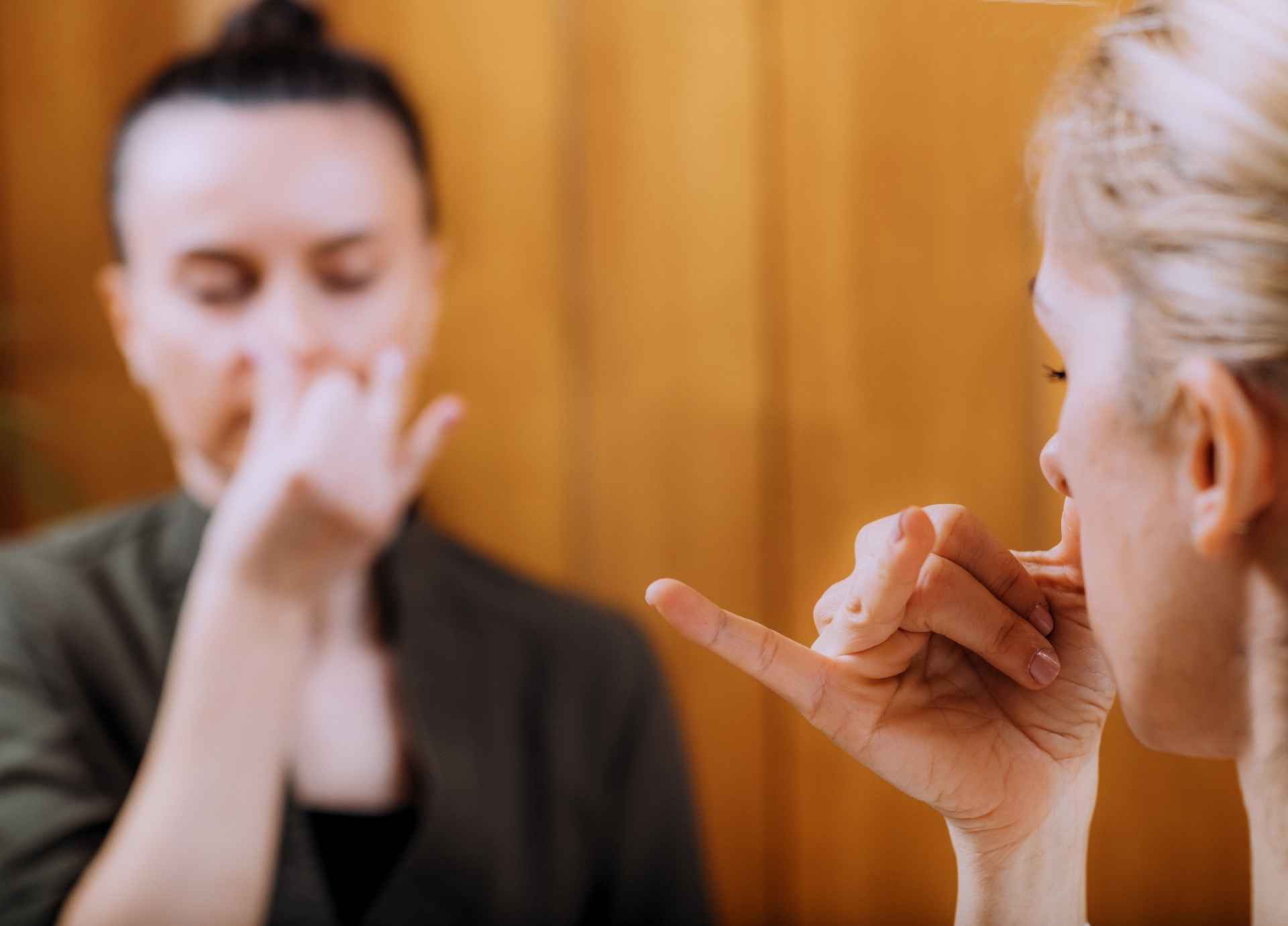
Kapalabhati Yoga: Understanding Cleansing Breath Safely
Kapalabhati yoga is an energizing pranayama technique often described as a cleansing breath. Unlike slow, calming practices, this breath uses sharp, rhythmic exhalations to stimulate the body and mind. When practiced with awareness and correct technique, Kapalabhati can improve respiratory efficiency and mental clarity. However, it requires precision and clear contraindications.
Kapalabhati is activating, not calming.
What Is Kapalabhati in Yoga
Kapalabhati translates to “skull shining breath.”
It involves:
- Passive inhalation
- Forceful, sharp exhalation
- Rhythmic abdominal contractions
- Upright posture
- Short, controlled rounds
The focus is on the exhale. The inhale happens naturally between pulses.
How Kapalabhati Yoga Affects the Body
Kapalabhati may:
- Stimulate the diaphragm
- Increase abdominal circulation
- Activate core muscles
- Increase alertness
- Improve breath awareness
- Generate internal heat
Because of its stimulating effect, it is best practiced earlier in the day.
How to Practice Kapalabhati Yoga
Step 1: Sit Upright
Sit in Sukhasana or Vajrasana.
Lengthen spine.
Relax shoulders.
Step 2: Take a Gentle Inhale
Breathe in naturally through the nose.
Step 3: Begin Active Exhalations
Forcefully exhale through the nose by snapping the lower abdomen inward.
Allow the inhale to happen passively.
Each pulse is short and rhythmic.
Step 4: Continue 20 to 30 Pulses
Keep the rhythm steady.
Do not move the chest or shoulders excessively.
Step 5: Rest
After completing a round, breathe normally.
Pause before beginning another round.
Beginners should perform 1 to 3 rounds only.
What Kapalabhati Should Feel Like
- Energizing
- Rhythmic
- Controlled
- Slight abdominal engagement
- Clear nasal airflow
It should not feel dizzy or overwhelming.
Common Mistakes
- Forcing the inhale
- Moving shoulders
- Holding breath afterward
- Contracting throat
- Performing too quickly
- Overextending the round
The movement comes from the lower abdomen, not the chest.
Contraindications for Kapalabhati Yoga
Avoid or modify if:
- Pregnancy
- Postpartum recovery (early stage)
- High blood pressure
- Heart conditions
- Hernia
- Recent abdominal surgery
- Severe back pain
- Vertigo
- Menstruation with heavy flow
- Active anxiety spikes
This breath is not suitable for everyone.
Kapalabhati and the Nervous System
Unlike Nadi Shodhana or Bhramari, Kapalabhati stimulates the sympathetic nervous system temporarily. It increases alertness and energy.
For this reason:
- Avoid practicing before sleep
- Avoid during high stress states
- Follow with calming breath if needed
Balance is essential.
When to Practice Kapalabhati Yoga
- In the morning
- Before meditation for alertness
- Before dynamic asana practice
- During periods of low energy
It should be avoided late at night.
Prenatal and Postpartum Notes
Prenatal:
- Avoid entirely
Postpartum:
- Avoid in early recovery
- Reintroduce only after core strength returns
- Practice gently and briefly
Always prioritize abdominal healing.
Emotional Effects
Because Kapalabhati is activating, some practitioners experience:
- Increased clarity
- Heightened focus
- Lightness
- Temporary stimulation
If anxiety increases, stop immediately.
From Personal Experience
Kapalabhati yoga becomes powerful when approached with moderation. Short, controlled rounds are more beneficial than extended, forceful practice. It works best when integrated thoughtfully into a balanced breath routine.
Intention (Sankalpa)
I cultivate alert clarity with controlled and balanced breath.
Closing
Kapalabhati yoga is a stimulating pranayama technique that supports respiratory strength and mental clarity when practiced safely. By respecting contraindications and focusing on proper abdominal engagement, you protect your nervous system and core integrity. Let this breath be practiced with precision and moderation.
Post a Comment