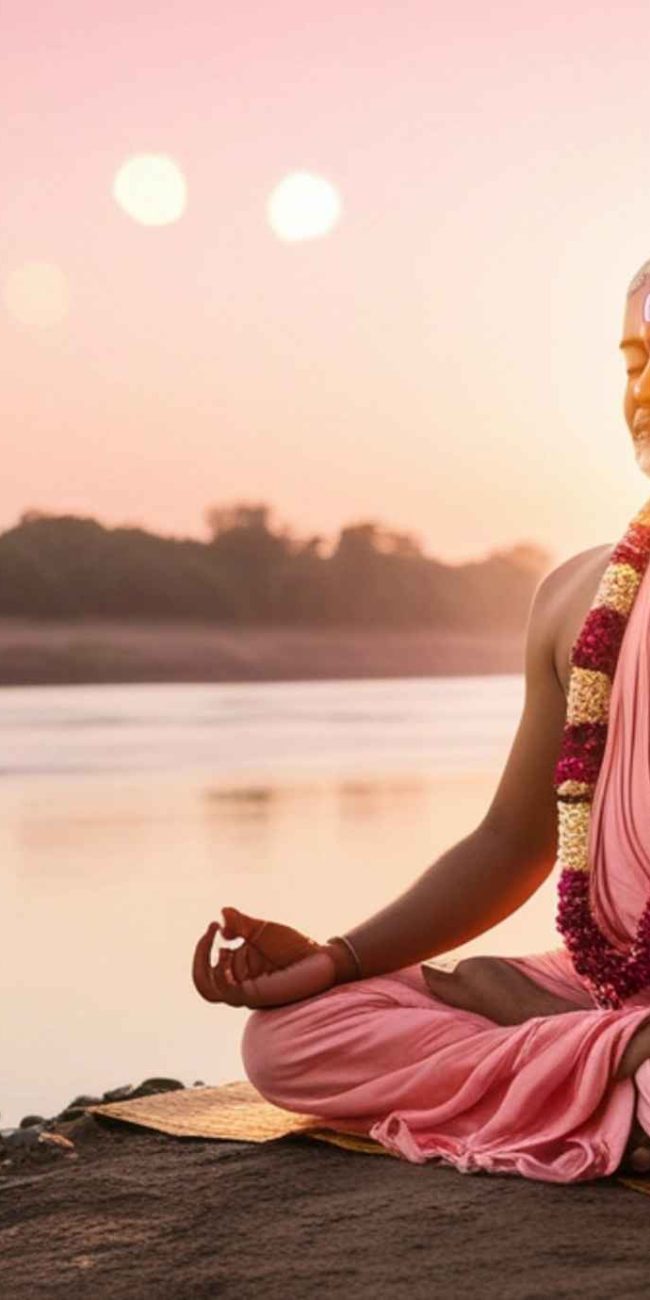






Svadhyaya in Yoga: The Practice of Self Study Explained
Svadhyaya in yoga refers to the practice of self study. It is one of the Niyamas and invites ongoing observation of thoughts, behavior, reactions, and patterns. Rather than self criticism, Svadhyaya cultivates awareness and reflection. Through steady observation, practice becomes a process of understanding rather than judgment.
Self study builds clarity without harshness.
What Does Svadhyaya Mean in Yoga
Svadhyaya combines two Sanskrit roots:
Sva
Self
Adhyaya
Study or inquiry
It traditionally includes:
- Reflection on personal patterns
- Study of sacred or philosophical texts
- Observation of behavior
- Awareness of mental tendencies
It is both internal and intellectual.
Yoga Philosophy: A Complete Guide to the Foundations and Depth of Practice
Svadhyaya as Personal Observation
In practical terms, Svadhyaya involves noticing:
- Emotional triggers
- Habitual reactions
- Recurring thought patterns
- Attachment tendencies
- Fear based responses
The goal is not immediate change.
The goal is clarity.
Awareness often precedes transformation.
Svadhyaya in Asana Practice
During physical practice, self study may appear as:
- Noticing comparison
- Observing frustration
- Recognizing ambition
- Identifying avoidance
Rather than reacting, awareness deepens understanding.
The mat becomes a mirror.
Svadhyaya in Meditation
In meditation, self study involves:
- Observing thought cycles
- Noticing emotional fluctuation
- Recognizing identity attachment
- Seeing patterns without engagement
Over time, this builds discernment and steadiness.
Svadhyaya and the Kleshas
Self study helps reveal:
- Attachment
- Aversion
- Ego identification
- Misperception
Without awareness, these patterns remain unconscious.
Svadhyaya makes them visible.
The Nervous System and Self Awareness
When reactions are unconscious, stress increases automatically.
With awareness:
- Response becomes intentional
- Emotional charge decreases
- Reactivity reduces
- Recovery improves
Self observation supports regulation.
Study of Texts and Reflection
Traditionally, Svadhyaya also includes studying yoga philosophy.
Reading and reflecting on teachings may:
- Provide perspective
- Clarify confusion
- Deepen understanding
- Strengthen intention
Study reinforces practice.
Obstacles to Svadhyaya
Common barriers include:
- Avoidance of discomfort
- Self judgment
- Over analysis
- Resistance to change
Self study must remain balanced and compassionate.
Observation without harshness creates growth.
Prenatal and Postpartum Perspective
During life transitions:
- Emotional patterns may intensify
- Identity may shift
- Capacity changes
Svadhyaya helps recognize these transitions without comparison to previous versions of self.
Adaptation becomes easier through awareness.
From Personal Experience
Consistent self observation often reveals patterns that would otherwise go unnoticed. Over time, reactivity softens not because effort is forced, but because awareness increases. This gradual clarity supports steadiness beyond the mat.
Intention (Sankalpa)
I observe myself with clarity and balanced awareness.
Closing
Svadhyaya in yoga invites steady self inquiry without judgment. By observing patterns in thought, behavior, and reaction, practice becomes a pathway toward clarity rather than correction. Let self study guide growth with patience and awareness.
Post a Comment