





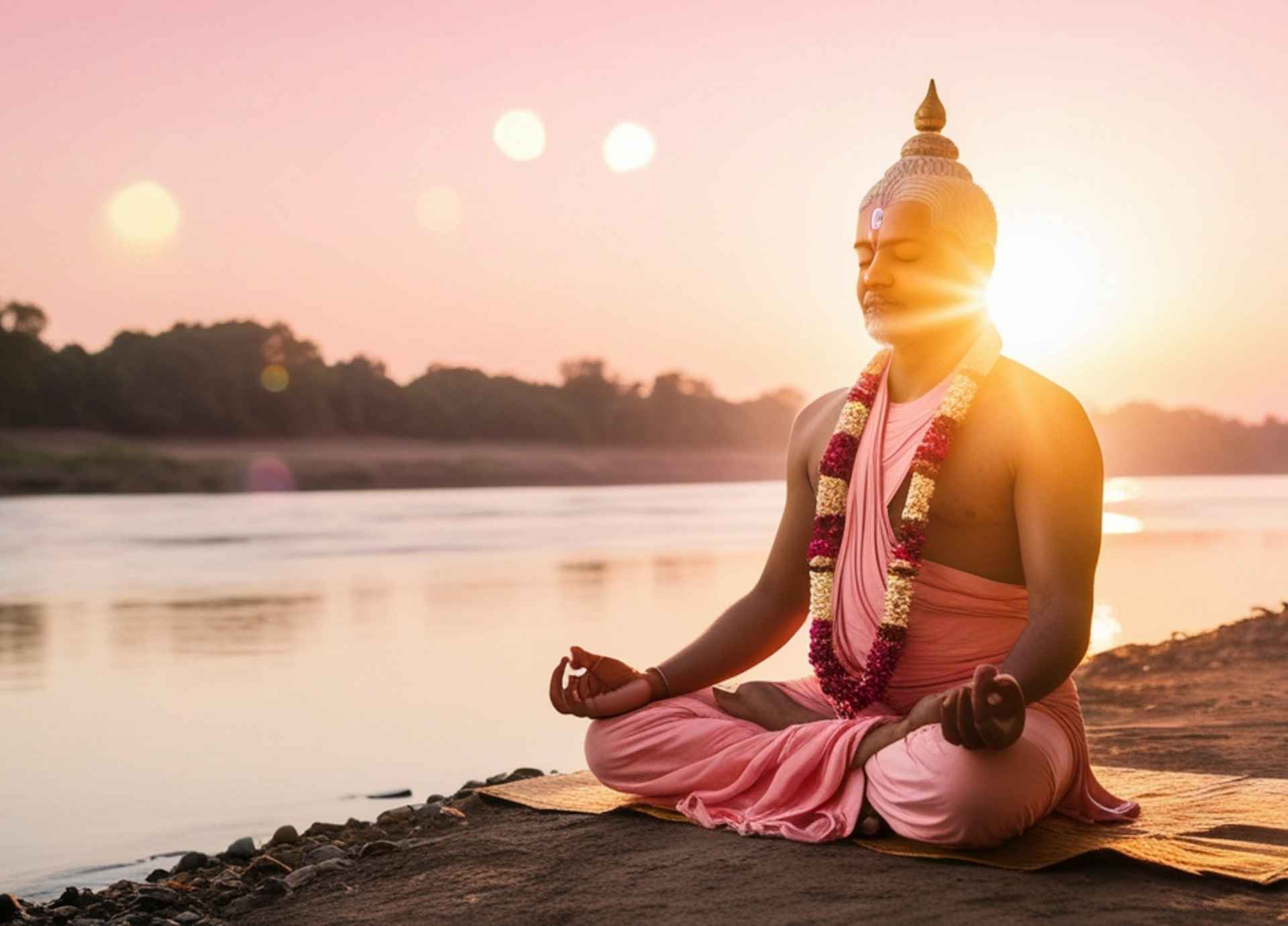
What Is Samadhi in Yoga: Understanding the Final Limb
Samadhi in yoga is described as the final limb of the classical eight limb path. It represents a state of deep absorption in which the distinction between observer and observed dissolves. While often interpreted as mystical, Samadhi is traditionally understood as the natural outcome of sustained ethical practice, breath regulation, concentration, and meditation.
Samadhi cannot be forced. It arises through preparation.
Where Samadhi Fits in the Eight Limbs of Yoga
The Eight Limbs progress in sequence:
- Yama
- Niyama
- Asana
- Pranayama
- Pratyahara
- Dharana
- Dhyana
- Samadhi
Samadhi follows Dhyana, or meditation.
If Dharana trains concentration and Dhyana stabilizes continuous awareness, Samadhi represents complete integration of that awareness.
Yoga Philosophy: A Complete Guide to the Foundations and Depth of Practice
What Samadhi Means in Yoga
Samadhi is often translated as:
- Absorption
- Integration
- Unity
- Complete meditative stillness
In this state:
- Mental fluctuation quiets
- Awareness becomes uninterrupted
- Separation between subject and object dissolves
It is not sleep, trance, or dissociation.
It is heightened clarity without distraction.
Different Interpretations of Samadhi
Classical texts describe various stages or depths of Samadhi.
Some describe:
- Samadhi with subtle object awareness
- Samadhi without object focus
- Gradual refinement of absorption
In practical terms, Samadhi reflects profound mental steadiness and clarity.
What Samadhi Is Not
It is not:
- Escapism
- Emotional suppression
- Physical collapse
- Dramatic experience
- A performance achievement
Chasing Samadhi often creates frustration.
It develops through consistent foundational practice.
The Relationship Between Dhyana and Samadhi
Dhyana involves uninterrupted meditation.
Samadhi occurs when:
- The effort of meditation dissolves
- Awareness becomes fully absorbed
- Observer and object merge
The shift is subtle rather than dramatic.
Samadhi and the Nervous System
Deep meditative states may correlate with:
- Reduced heart rate
- Slowed breath
- Decreased muscular tension
- Balanced autonomic activity
However, Samadhi is not defined by physiological markers alone.
It is characterized by stable awareness.
Why Samadhi Is Rarely the Immediate Goal
Modern yoga often emphasizes posture and performance.
Classical yoga describes Samadhi as the culmination of long term discipline.
Focusing instead on:
- Ethical alignment
- Breath regulation
- Consistent meditation
Creates conditions where Samadhi may arise naturally.
Samadhi in Modern Context
In daily life, glimpses of Samadhi may resemble:
- Complete absorption in meaningful activity
- Deep, steady presence
- Absence of mental distraction
- Clear and unified awareness
These experiences are subtle and often brief.
Prenatal and Postpartum Perspective
During life transitions, stability and grounding remain primary.
Rather than pursuing advanced meditative states, focus on:
- Gentle breath awareness
- Emotional steadiness
- Consistent routine
Integration develops gradually over time.
From Personal Experience
Periods of deep meditation sometimes feel effortless rather than intense. Awareness becomes continuous without deliberate redirection. These moments cannot be manufactured, but consistent practice increases their likelihood.
Intention (Sankalpa)
I cultivate steady awareness through disciplined and balanced practice.
Closing
Samadhi in yoga represents the final stage of the Eight Limbs, characterized by deep absorption and unified awareness. It is not achieved through force but through consistent preparation across ethics, posture, breath, and meditation. Let your practice focus on steadiness, allowing integration to arise naturally over time.
Post a Comment