





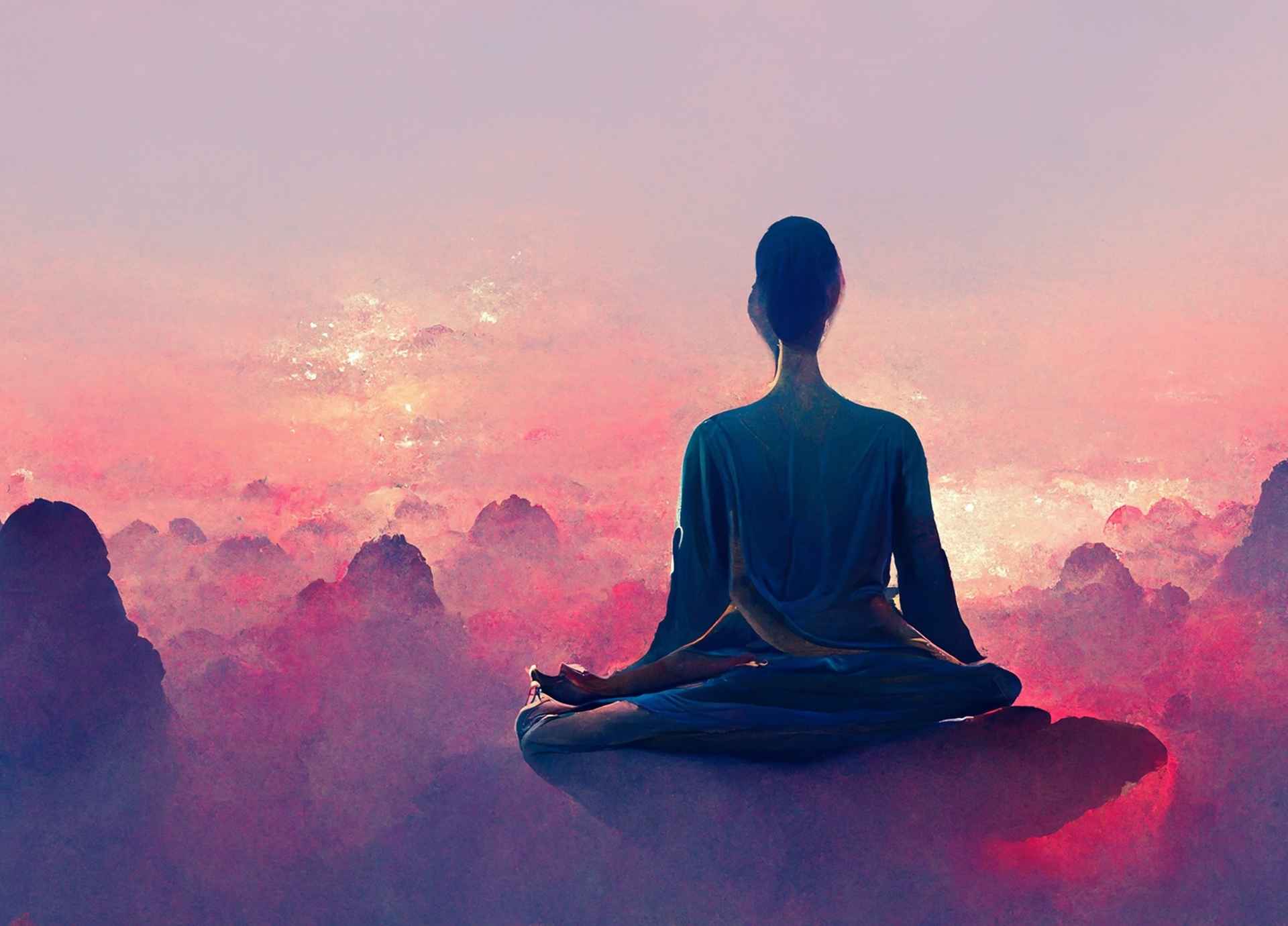
Dhyana in Yoga: Understanding True Meditation
Dhyana in yoga refers to sustained meditation, where attention flows continuously without interruption. It is the seventh limb in the classical eight limb system and arises naturally from consistent concentration practice. While many people refer to meditation broadly, Dhyana has a specific meaning within yogic philosophy. It is not forced focus, but steady, uninterrupted awareness.
Dhyana emerges when effort begins to soften.
What Does Dhyana Mean in Yoga
Dhyana translates to “meditation” or “contemplation.”
In classical yoga, it refers to:
- Continuous flow of awareness
- Effortless attention
- Reduced mental interruption
- Sustained presence
It follows Dharana, the practice of concentration.
Meditation in Yoga: A Complete Guide to Practice and Progression
The Difference Between Dharana and Dhyana in Yoga
Dharana:
- Intentional focus
- Redirecting attention repeatedly
- Structured effort
Dhyana:
- Unbroken awareness
- Minimal redirection needed
- Effort begins to fade
In Dharana, you bring the mind back.
In Dhyana, the mind remains steady on its own.
Dhyana in the Eight Limb Path
Within the traditional system:
- Yama
- Niyama
- Asana
- Pranayama
- Pratyahara
- Dharana
- Dhyana
- Samadhi
Dhyana develops after concentration stabilizes.
It cannot be forced directly.
What Dhyana Feels Like
Practitioners often describe:
- Quiet continuity of awareness
- Less internal commentary
- Spacious mental clarity
- Reduced distraction
- Stable breath
- Deep presence
It does not necessarily mean absence of thoughts. It means reduced identification with them.
How to Practice Toward Dhyana in Yoga
You do not practice Dhyana directly.
You prepare for it.
Step 1: Establish Dharana
Focus on one object such as:
- Breath
- Mantra
- Candle flame
- Body sensation
Practice steady concentration first.
Step 2: Lengthen Periods of Focus
Gradually increase duration without forcing silence.
Step 3: Allow Awareness to Flow
At some point, effort softens and attention becomes continuous.
This transition marks the beginning of Dhyana.
Common Misconceptions About Meditation
- Meditation is not immediate thought elimination
- Dhyana is not daydreaming
- It is not dissociation
- It is not sleep
- It is not emotional suppression
It is stable, conscious awareness.
The Nervous System and Dhyana
As meditation deepens:
- Breathing slows naturally
- Heart rate stabilizes
- Muscle tension reduces
- Parasympathetic activation increases
Dhyana often feels calm but alert.
Obstacles in Developing Dhyana
- Restlessness
- Sleepiness
- Mental agitation
- Over effort
- Irregular practice
Consistency and patience are essential.
Prenatal and Postpartum Considerations
Prenatal:
- Short sessions are best
- Focus on breath awareness
- Avoid rigid posture
- Allow flexibility
Postpartum:
- Practice in small increments
- Use grounding objects
- Accept interruptions
- Keep expectations realistic
Meditation must adapt to life circumstances.
Emotional Effects of Dhyana in Yoga
With steady practice, meditation may support:
- Emotional resilience
- Reduced reactivity
- Improved clarity
- Greater self awareness
- Inner steadiness
Changes are gradual, not dramatic.
From Personal Experience
Meditation deepens over time rather than through force. As concentration strengthens, moments of uninterrupted awareness become more frequent. The shift often feels subtle but stable, creating steadiness that extends beyond practice.
Intention (Sankalpa)
I allow steady awareness to unfold naturally through patient practice.
Mantra Meditation in Yoga: How Repetition Stabilizes the Mind
Closing
Dhyana in yoga represents the natural evolution of sustained concentration into true meditation. By practicing Dharana consistently and gently reducing effort, awareness becomes continuous and steady. Let meditation develop gradually, supported by patience and regular practice.
Post a Comment