





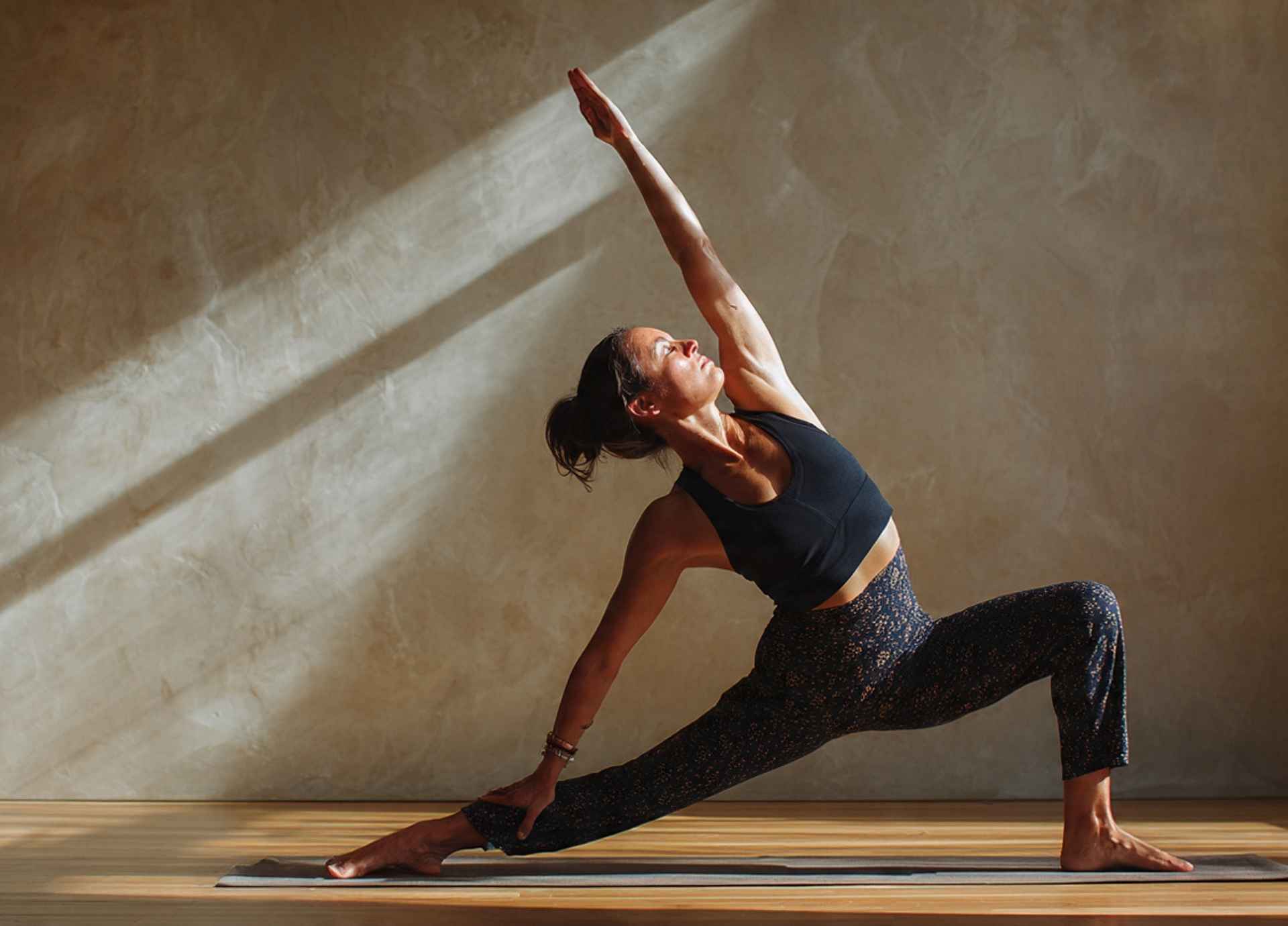
Yoga for Emotional Release: Understanding the Hips and Heart
Many practitioners notice that certain yoga poses create unexpected emotional responses. Hip openers and heart opening postures often bring sensation not only to the muscles, but also to stored tension patterns. When practiced safely and slowly, these shapes can support emotional awareness and nervous system regulation without forcing release.
Emotional release in yoga is not dramatic or guaranteed. It is often subtle, gradual, and deeply connected to breath.
Why the Hips Hold Tension
The hips are central to posture, walking, and stability. They are also influenced by stress.
When the body is under tension, the hip flexors and surrounding muscles often tighten as part of the protective response. Over time, this can create chronic holding patterns.
Hip related tension commonly involves:
- Psoas
- Gluteus medius and maximus
- Piriformis
- Deep external rotators
- Inner thighs
When these muscles begin to lengthen and release slowly, some people experience emotional shifts such as relief, softness, or unexpected tears. This is not mystical. It is often the nervous system relaxing after prolonged guarding.
Why the Chest and Shoulders Carry Emotion
The chest and upper body are linked to breathing patterns.
Stress frequently shortens the breath and tightens:
- Pectoral muscles
- Upper trapezius
- Neck muscles
- Rib cage mobility
Heart opening shapes encourage fuller breath and expanded posture. When breathing deepens, the body often transitions from a protective state toward regulation.
This shift can create sensations of:
- Vulnerability
- Relief
- Spaciousness
- Warmth in the chest
- Emotional softening
Again, this is a nervous system response, not something forced.
Hip Opening Poses That Support Safe Release
Pigeon Pose (Eka Pada Rajakapotasana variation)
- Opens deep external rotators
- Should be supported with blocks or blankets
- Keep torso upright if forward folding feels too intense
Bound Angle Pose (Baddha Konasana)
- Gentle inner thigh opening
- Keep knees supported
- Focus on slow breathing
Low Lunge (Anjaneyasana)
- Lengthens hip flexors
- Keep pelvis neutral
- Avoid collapsing into lower back
Garland Pose (Malasana)
- Deep hip and pelvic opening
- Use block under sitting bones
- Keep spine upright
All hip openers should feel steady, not strained.
Heart Opening Poses for Emotional Softening
Bridge Pose (Setu Bandhasana)
- Strengthens back body
- Opens chest gently
- Avoid over arching lower back
Supported Fish Pose (Matsyasana variation)
- Rest upper back on bolster
- Arms relaxed
- Focus on breath
Camel Pose (Ustrasana)
- Keep thighs vertical
- Lift sternum before leaning back
- Engage core lightly
Cobra Pose (Bhujangasana)
- Low lift
- Press pelvis into floor
- Keep neck long
Heart openers work best when breath remains calm.
How to Approach Emotional Release Safely
- Move slowly
- Stay present with breath
- Use props generously
- Avoid pushing into discomfort
- Stop if emotions feel overwhelming
- Rest in Child’s Pose (Balasana) if needed
- Ground through steady exhalation
Release does not need to be intense to be meaningful.
The Role of Breath
Breath is the bridge between sensation and emotional response.
Longer exhalations signal safety to the nervous system.
Ujjayi Breath (Ujjayi Pranayama) or simple nasal breathing can help regulate intensity.
When breath remains steady, the body feels safer to soften.
Prenatal and Postpartum Considerations
Prenatal:
- Avoid deep closed hip compressions
- Choose supported shapes
- Keep chest open gently
- Focus on calm breathing
Postpartum:
- Rebuild stability before deep hip openers
- Avoid overstretching
- Use bolsters for chest support
- Prioritize nervous system calm
Safety always comes first.
From Personal Experience
Emotional shifts in yoga often arise gradually rather than suddenly. Sometimes the release feels like a deeper breath, a quieter mind, or a sense of relief. When practiced without pressure, hip and heart opening shapes can support steady emotional integration rather than overwhelm.
Intention (Sankalpa)
I allow my body to soften with steadiness and breath.
Heart Chakra Guide: Compassion, Healing, and Energetic Openness
Closing
Hip openers and heart opening poses can support emotional awareness by reducing muscular tension and encouraging deeper breath. When practiced gently and without expectation, these shapes become tools for regulation and grounding. Let release unfold naturally, guided by patience and presence.
Post a Comment