




How to Build a Vinyasa Class That Flows Naturally
A well designed Vinyasa class feels like a continuous breath. Movements link seamlessly, transitions make sense, and the practice builds toward a clear intention. Creating this natural flow requires an understanding of alignment, progression, and energy pacing. This guide offers a clear structure to help you design classes that feel steady, safe, and grounded.
Vinyasa yoga emphasizes breath led movement. When the sequence is logical and well paced, students experience both strength and fluidity without strain.
What Defines a Vinyasa Flow?
A Vinyasa class connects postures through:
- Coordinated breath
- Smooth transitions
- Gradual energetic progression
- Repetition that builds familiarity
- Safe alignment and clear direction
The goal is not speed. The goal is connection.
Asana in Yoga: A Complete Guide to Structure, Purpose, and Progression
Essential Components of a Natural Flow
1. Consistent Breath Rhythm
Breath should guide movement.
A steady inhale for length and a steady exhale for stabilization creates fluid pacing.
2. Intelligent Transitions
Transitions are as important as the poses.
Each movement should prepare the next without abrupt shifts.
3. Gradual Warm Up
Start with joint mobility, gentle activation, and simpler shapes before progressing.
4. Clear Peak or Purpose
Every class needs a central theme.
Examples include hip opening, twists, balance, grounding, or a specific posture.
5. Controlled Cool Down
Down regulate the nervous system gradually with slower, supported postures.
Step by Step Structure for Vinyasa Sequencing
1. Centering
- Easy Seat (Sukhasana)
- Breath awareness
- Gentle neck or shoulder mobility
This prepares the nervous system for movement.
2. Warm Up
- Cat Cow (Marjaryasana Bitilasana)
- Low Lunge (Anjaneyasana)
- Downward Facing Dog (Adho Mukha Svanasana)
- Ragdoll Forward Fold (Uttanasana variation)
Focus on preparation rather than intensity.
3. Sun Salutations
Use Surya Namaskar A and B in accessible variations.
Examples:
- Forward Fold (Uttanasana)
- Half Lift (Ardha Uttanasana)
- Plank (Phalakasana)
- Chaturanga (Chaturanga Dandasana) or modified
- Cobra (Bhujangasana) or Upward Facing Dog (Urdhva Mukha Svanasana)
Repeat two to four rounds for warmth and rhythm.
4. Standing Sequence
Choose a logical progression.
Example for a hip opening theme:
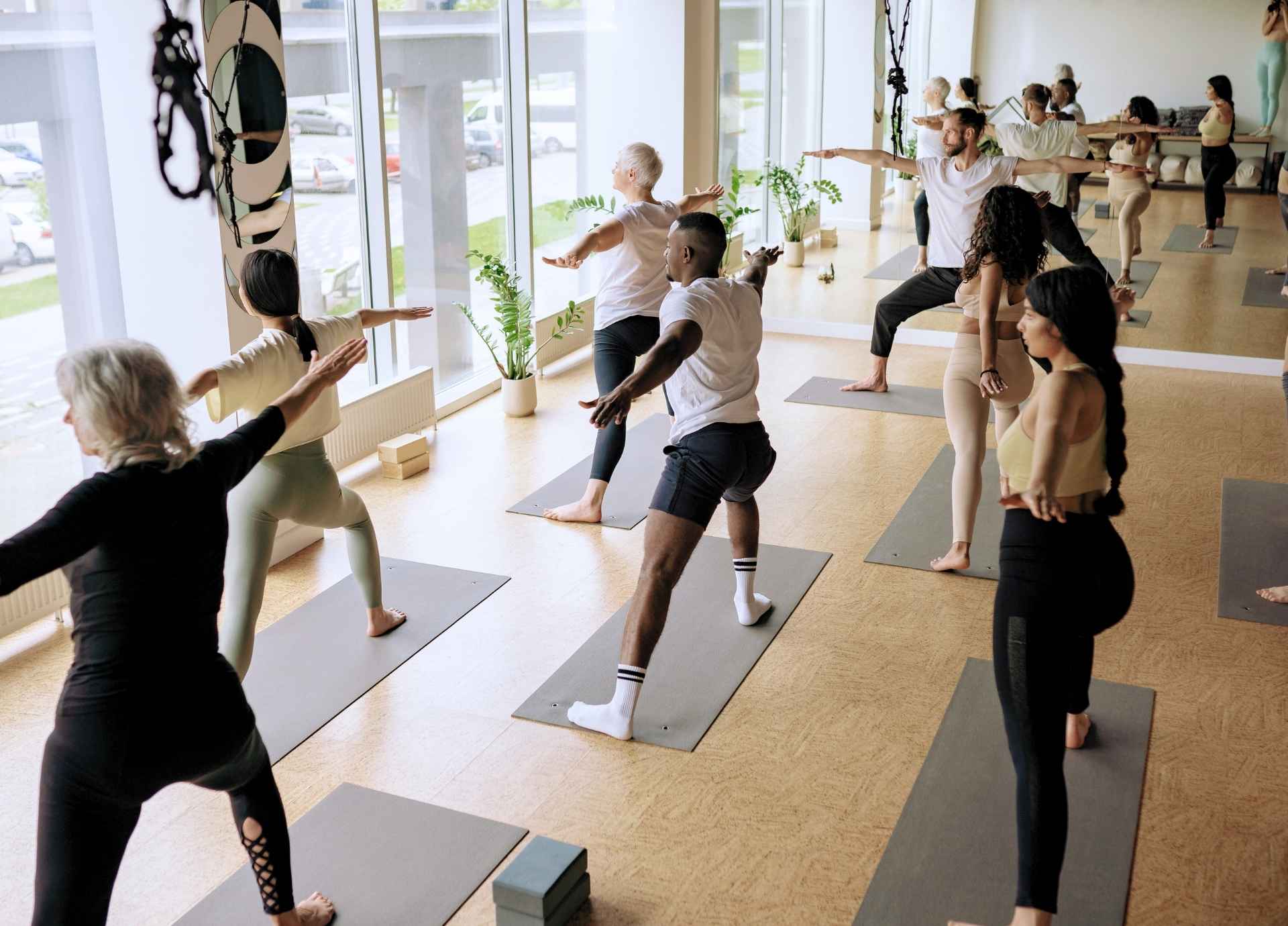
- Warrior II (Virabhadrasana II)
- Extended Side Angle (Utthita Parsvakonasana)
- Reverse Warrior (Viparita Virabhadrasana)
- Triangle Pose (Trikonasana)
- Half Moon (Ardha Chandrasana)
Keep transitions grounded and predictable.
5. Peak Pose or Peak Action
Your class can build toward:
- Crow Pose (Bakasana)
- Pigeon Prep (Eka Pada Rajakapotasana)
- Dancer Pose (Natarajasana)
- Camel Pose (Ustrasana)
The peak should feel earned, not forced.
6. Backbody and Counterposes
Apply gentle balancing shapes after the peak, such as:
- Forward Fold (Paschimottanasana)
- Supine Twist (Supta Matsyendrasana)
- Happy Baby (Ananda Balasana)
This supports the spine and nervous system.
7. Cool Down
Include shapes that calm the body:
- Reclined Bound Angle (Supta Baddha Konasana)
- Legs Up the Wall (Viparita Karani)
Use slow breathing and mindful pacing.
8. Final Rest
Savasana (Savasana) allows integration and grounding.
Common Sequencing Mistakes
- Overloading the shoulders
- Inconsistent transitions
- Abrupt or unexplained movement changes
- Overuse of peak poses
- Skipping warm ups
- Ignoring counterposes
- Moving too quickly
A steady pace is safer and creates a more cohesive class experience.
How to Create Smooth Transitions
- Cue direction clearly
- Move one step at a time
- Use repetition to create familiarity
- Keep the spine aligned with natural curves
- Maintain breath awareness
Smooth transitions reduce joint stress and increase flow quality.
Modifications and Adaptive Options
- Use blocks in standing poses for better support
- Replace Chaturanga with Knees Chest Chin (Ashtanga Namaskara)
- Offer Low Lunge (Anjaneyasana) instead of High Lunge (Alanasana)
- Add pauses between postures for beginners
Modifications make classes accessible and safe.
Prenatal and Baby Yoga Note
For pregnancy:
- Avoid deep twists
- Reduce transitions that load the abdomen
- Use wide leg positions for comfort
- Avoid fast or jump transitions
- Replace deep backbends with supported chest opening
For postpartum students, focus on breath, stability, and pelvic support first.
From Personal Experience
Vinyasa sequencing becomes intuitive when you focus on connection rather than complexity. With time, the flow begins to feel like a moving meditation where breath, shapes, and transitions become one steady rhythm.
Intention (Sankalpa)
I guide movement with clarity, steadiness, and breath led awareness.
The Art of Peak Pose Sequencing: Safe Progressions for Teachers
Closing
A natural Vinyasa flow develops through clear structure, intentional pacing, and safe transitions. By grounding your sequence in breath and stability, you create classes that support the body and calm the mind. Let this guide help you design Vinyasa practices that feel fluid, connected, and sustainable.
Post a Comment