





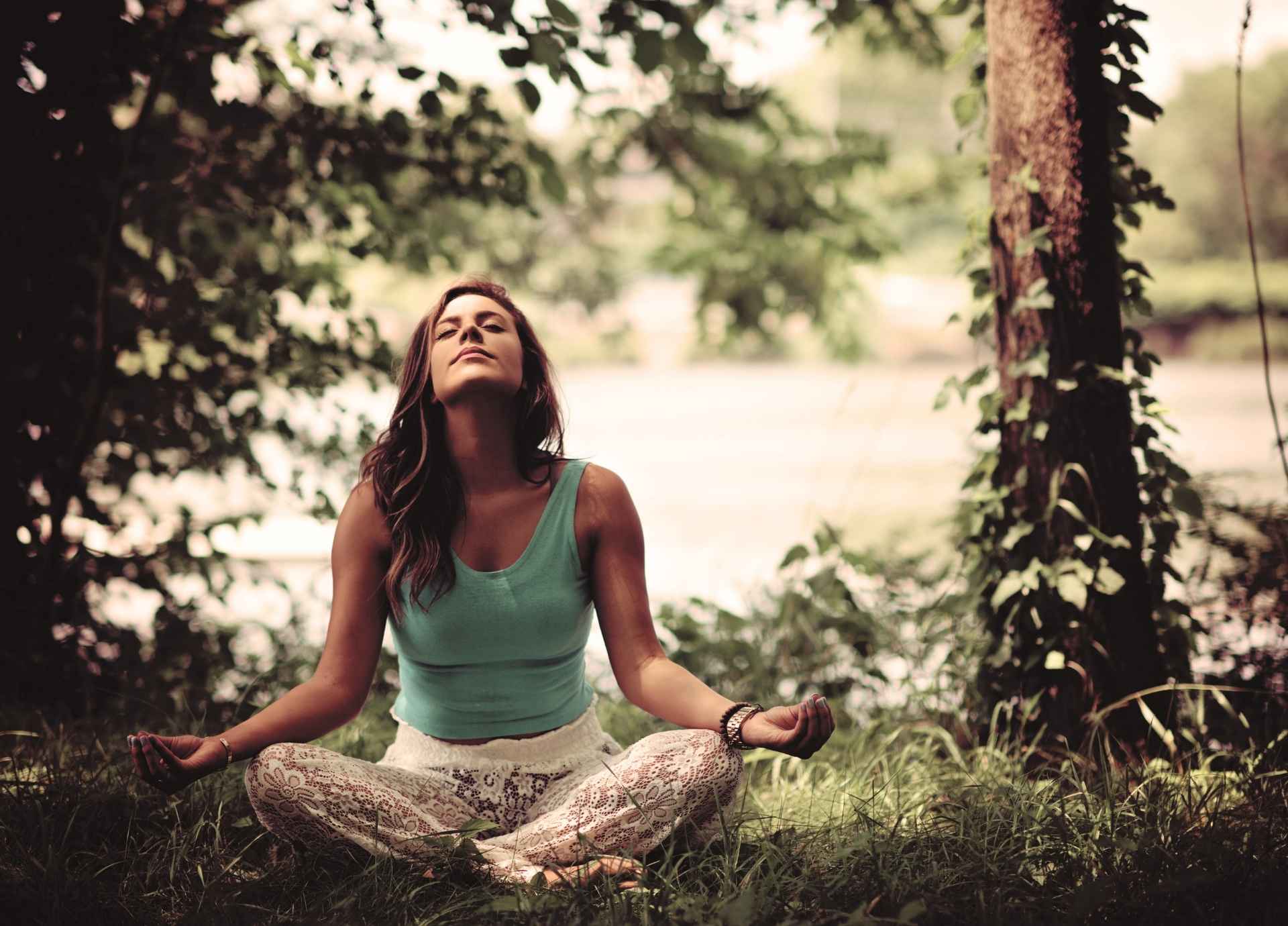
Grounding Meditation in Yoga for Anxiety and Overwhelm
Grounding meditation in yoga is a practice designed to stabilize attention and calm the nervous system during periods of stress or emotional intensity. By directing awareness toward physical sensations and steady breathing, this meditation technique supports regulation and reduces mental agitation. It is simple, accessible, and effective when practiced consistently.
Grounding meditation shifts attention from racing thoughts to present physical reality.
What Is Grounding Meditation in Yoga
Grounding meditation focuses on:
- Sensation in the body
- Contact with the floor
- Weight distribution
- Slow, steady breath
- Environmental awareness
Unlike abstract contemplation, grounding keeps awareness connected to the physical body.
Meditation in Yoga: A Complete Guide to Practice and Progression
Why Grounding Meditation Helps Anxiety
During anxiety, the nervous system shifts into heightened activation.
Symptoms may include:
- Rapid thoughts
- Increased heart rate
- Shallow breathing
- Muscle tension
- Restlessness
Grounding meditation helps by:
- Slowing breath
- Increasing parasympathetic activation
- Reducing mental spiraling
- Bringing focus to the present moment
The body becomes an anchor.
How to Practice Grounding Meditation in Yoga
Step 1: Sit or Stand With Support
Sit upright in Sukhasana or on a chair.
Alternatively, stand in Mountain Pose (Tadasana).
Step 2: Feel Contact Points
Notice:
- Feet touching the ground
- Legs pressing into chair
- Hands resting on thighs
- Weight distribution
Focus on physical contact.
Step 3: Slow the Breath
Inhale for 4 counts.
Exhale for 6 counts.
Keep the rhythm steady and natural.
Step 4: Name Physical Sensations
Silently observe:
- Warmth
- Pressure
- Texture
- Movement
Avoid analyzing. Simply observe.
Step 5: Expand Awareness
Notice sounds in the room.
Feel the air on the skin.
Stay present for 5 to 10 minutes.
What Grounding Meditation Should Feel Like
- Stable
- Present
- Steady
- Calm
- Physically anchored
Relief may be gradual.
When to Practice Grounding Meditation in Yoga
- During anxiety spikes
- Before sleep
- After emotional conversations
- Before public speaking
- During transitions
- After intense pranayama
It can be practiced anywhere.
Simple Grounding Variation: Walking Meditation
Walk slowly and notice:
- Heel touching ground
- Weight shifting forward
- Toes lifting
- Breath rhythm
This integrates grounding into movement.
The Role of the Nervous System
Grounding meditation supports:
- Reduced sympathetic activation
- Improved vagal tone
- Slower breathing
- Stabilized heart rate
Physical awareness interrupts anxious thought cycles.
Prenatal and Postpartum Considerations
Prenatal:
- Practice seated or standing
- Avoid long supine positions
- Keep breath gentle
Postpartum:
- Short sessions are sufficient
- Focus on foot contact
- Accept interruptions
Consistency matters more than duration.
Emotional Effects
With regular practice, grounding meditation may support:
- Increased emotional resilience
- Reduced reactivity
- Clearer thinking
- Faster stress recovery
- Improved focus
It builds internal stability over time.
From Personal Experience
Grounding meditation often feels subtle at first. However, returning attention repeatedly to physical contact points gradually reduces mental intensity. The shift may be small, but it accumulates with practice.
Intention (Sankalpa)
I return to the present moment with steady awareness and calm breath.
Closing
Grounding meditation in yoga offers a practical way to regulate anxiety and overwhelm. By anchoring awareness in physical sensation and steady breathing, the nervous system can shift toward balance. Let this practice become a reliable tool for stability during challenging moments.
Post a Comment