





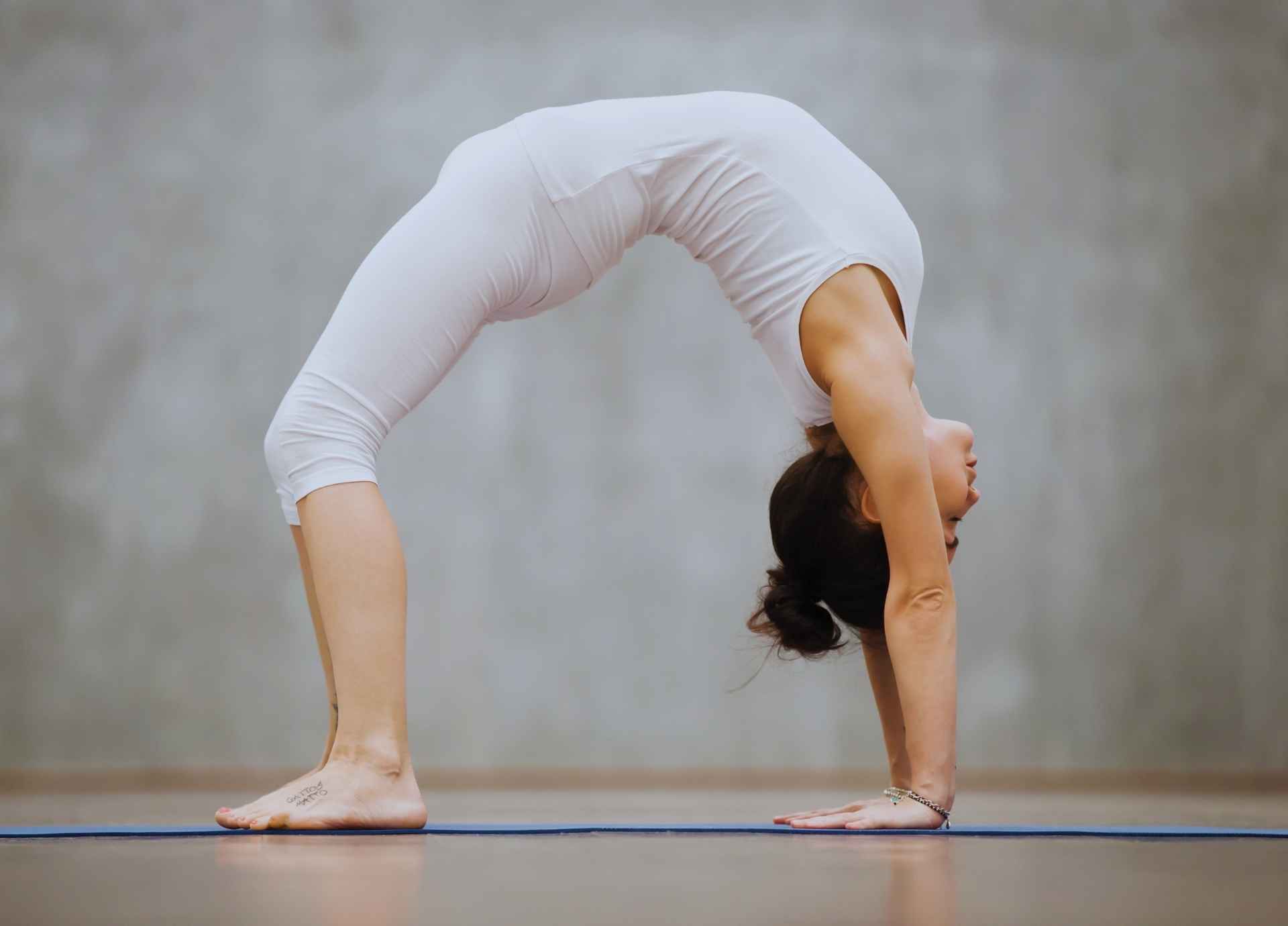
The Role of Fascia in Yoga: Understanding Flexibility Beyond Muscles
Flexibility in yoga is often associated with muscles, but connective tissue plays an equally important role. Fascia is the web like tissue that surrounds muscles, bones, and organs, creating an interconnected system throughout the body. Understanding how fascia responds to movement changes the way we approach stretching, mobility, and long held postures in yoga.
Flexibility is not only about muscle length. It is about tissue adaptability.
What Is Fascia
Fascia is a continuous network of connective tissue that:
- Surrounds muscles
- Stabilizes joints
- Connects different parts of the body
- Transmits force
- Supports structural integrity
Unlike muscles, fascia is not designed for quick contraction. It responds to sustained pressure and gradual loading.
Asana in Yoga: A Complete Guide to Structure, Purpose, and Progression
Fascia Versus Muscle
Muscles:
- Contract and relax quickly
- Respond to dynamic movement
- Fatigue faster
Fascia:
- Adapts slowly
- Requires sustained, gentle tension
- Influences joint mobility
- Becomes stiff with inactivity
This is why slow, steady yoga practices can influence flexibility differently than quick stretching.
How Fascia Influences Flexibility in Yoga
When fascia becomes dehydrated or restricted due to stress or inactivity, movement feels tight.
Yoga supports fascial health through:
- Slow transitions
- Long held poses
- Controlled load bearing
- Gentle compression
- Breath guided movement
Fascial release is gradual, not immediate.
Yoga Practices That Support Fascia
Yin Yoga
Long held shapes such as Butterfly Pose (Baddha Konasana variation) and Dragon Pose (Anjaneyasana variation) apply gentle, sustained tension to connective tissue.
Restorative Yoga
Supported poses reduce muscular effort and allow fascia to hydrate and soften.
Slow Vinyasa
Controlled transitions in poses like Low Lunge (Anjaneyasana) and Pyramid Pose (Parsvottanasana) create balanced load.
Standing Strength Poses
Warrior II (Virabhadrasana II) and Triangle Pose (Trikonasana) build tensile strength in connective tissue.
Fascia benefits from variety, not repetition.
Hydration and Fascia
Fascia contains water and becomes more pliable when hydrated.
Movement improves fluid circulation within connective tissue.
Signs of healthy fascia:
- Smooth movement
- Reduced stiffness
- Balanced flexibility
- Even joint mobility
Consistency is more important than intensity.
Common Misunderstandings About Flexibility
- Forcing deep stretches does not accelerate fascial change
- Pain does not equal progress
- Bouncing stretches can irritate tissue
- Aggressive adjustments may cause strain
Fascia responds best to patience.
The Nervous System and Fascia
Fascia is rich in sensory receptors.
When tension decreases in connective tissue, the nervous system often responds with a sense of relief and grounding.
Slow breathing enhances this process by reducing muscular guarding.
Prenatal and Postpartum Considerations
Prenatal:
- Avoid overstretching due to hormonal changes
- Support joints carefully
- Use props for stability
Postpartum:
- Avoid aggressive stretching
- Rebuild strength before increasing range
- Support pelvic stability
Connective tissue is more vulnerable during these phases.
How to Support Fascial Health in Yoga
- Alternate strength and mobility
- Incorporate slow holds
- Avoid pushing into discomfort
- Stay hydrated
- Rest between intense sessions
- Practice consistently
Long term adaptation builds sustainable flexibility.
From Personal Experience
Flexibility improves most when practice becomes steady rather than forceful. As awareness deepens, it becomes clear that connective tissue responds gradually. Patience creates more lasting change than intensity.
Intention (Sankalpa)
I allow my body to adapt gradually with steady, mindful movement.
Forward Folds and the Nervous System: Why They Calm the Body
Closing
Fascia plays a central role in flexibility and mobility within yoga practice. By approaching stretching with patience, breath, and balanced loading, you support connective tissue health safely. Let your flexibility develop through consistency and awareness rather than force.
Post a Comment