


Human Design Beginner’s Guide: Understanding Your Energy Blueprint
Every person carries a unique energetic rhythm through life. Human Design offers a way to understand that rhythm, revealing how your natural energy moves, responds, and interacts with the world around you.
Opening the Map of Your Energetic Blueprint
Many people move through life with a quiet sense that they are trying to fit into structures that do not fully reflect who they are. Work, relationships, and even personal ambitions often follow expectations that feel subtly misaligned with our deeper nature.
Human Design introduces a different perspective. Rather than asking who you should become, it reveals how your energy already operates.
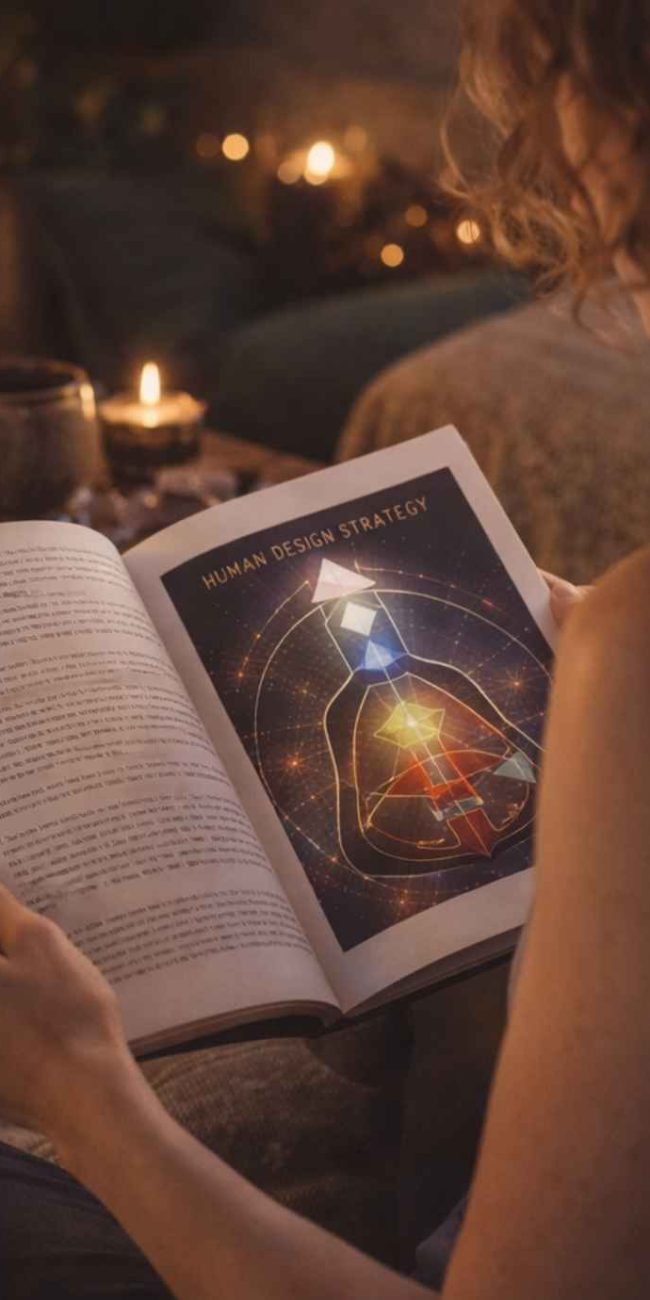
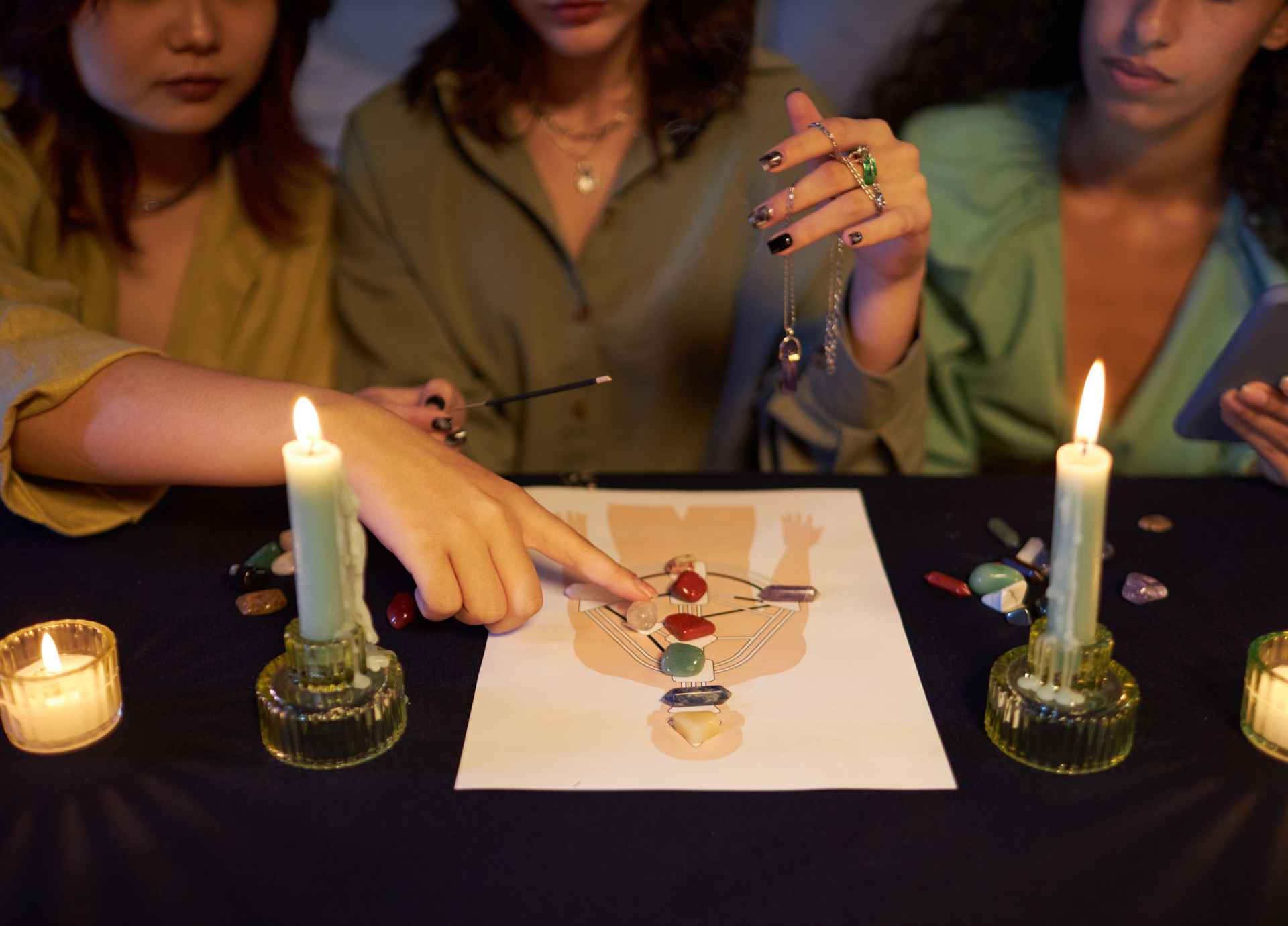
Developed in the late twentieth century, Human Design weaves together several ancient and modern systems including astrology, the I Ching, the chakra system, and elements of mystical philosophy. By using your date, time, and place of birth, the system generates a personal energetic map known as a Bodygraph.
This map illustrates how energy moves through your body and how you are designed to interact with opportunities, decisions, and relationships in your life.
At its heart, Human Design is not about predicting your future. It is about helping you recognize the energetic patterns you already carry.
What Human Design Reveals
Human Design can be understood as a map of energetic intelligence. It highlights how different aspects of your energy system function and how they influence the way you experience the world.
Your Human Design chart reveals several key elements:
Energy Type
This describes how your energy interacts with the world and how you naturally create impact. Each person belongs to one of five energy types, each with its own rhythm and style of engagement.
Strategy
Strategy describes the way your energy works most effectively with opportunities and situations in life. When you follow your natural strategy, life tends to unfold with more ease and clarity.
Authority
Authority refers to your internal decision-making compass. It indicates where in your body you can find the most reliable signals when making important choices.
Centers
Centers represent energetic hubs within the body. They reflect how you process emotions, thoughts, intuition, identity, and vitality.
Profile
Your profile reveals the archetypal roles you naturally play in life. It highlights the way you learn, experience the world, and interact with others.
Together, these elements form a dynamic portrait of your energetic design.
Human Design Types Explained: Discover Your Energy Blueprint
The Five Human Design Energy Types
One of the most recognizable aspects of Human Design is the classification of five primary energy types. Each type reflects a different way that life force expresses itself.
Manifestors
Manifestors are initiators of energy. They often sense the direction of movement before others do and feel a natural urge to begin new processes or ideas.
Their energy tends to move in bursts of action followed by periods of rest and reflection.
Generators
Generators carry a powerful and sustainable life force energy. They thrive when they are engaged in activities that genuinely excite them and often bring projects, ideas, and communities into tangible form.
Many people experience the generator energy as the engine that keeps the world moving forward.
Manifesting Generators
Manifesting Generators combine aspects of both initiation and sustained energy. They often move quickly between ideas and projects, guided by strong instincts about what feels alive and engaging.
Their path often involves exploration, experimentation, and creative movement across different interests.
Projectors
Projectors possess a gift for perceiving energy patterns in others. Rather than generating constant energy themselves, they often excel in guiding systems, people, and environments toward greater efficiency and harmony.
Their strength lies in insight and perspective.
Reflectors
Reflectors are rare within the Human Design system and are often described as mirrors of their environment. Their energy reflects the health and dynamics of the communities around them, giving them a unique sensitivity to collective patterns.
Because of this openness, their well being is often closely connected to the environments they inhabit.
The Human Design Bodygraph
When someone first sees their Human Design chart, it can appear complex. The chart contains geometric shapes, connecting lines, and various symbols.
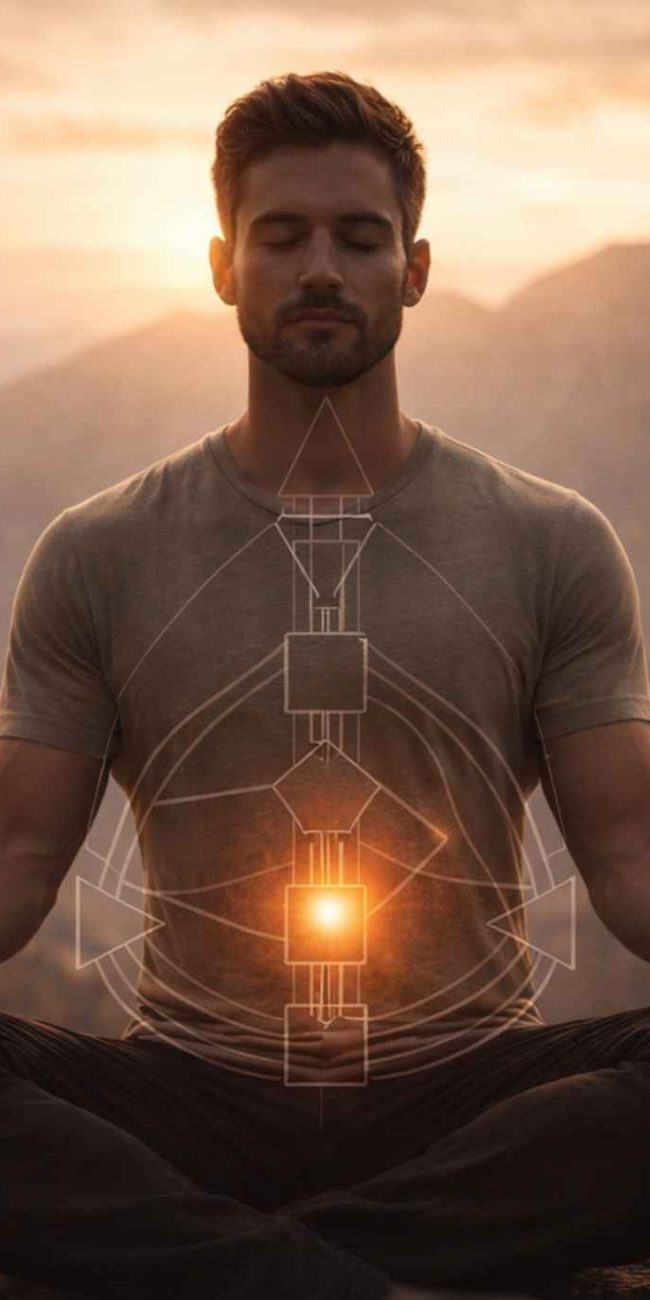
This diagram is called the Bodygraph, and it represents the energetic circuitry of the individual.
The shapes within the chart correspond to nine energy centers, each responsible for a different aspect of perception and expression. These centers are connected by channels that show how energy flows through the body.
Some centers may appear defined, meaning their energy operates in a consistent way. Others may appear undefined, indicating areas where energy is more fluid and influenced by the surrounding environment.
Understanding these patterns gradually reveals how your energy interacts with the world.
How Human Design Appears in Daily Life
Human Design is not meant to exist only as an abstract concept. Its insights become most meaningful when observed in everyday experiences.
You might notice certain moments when activities feel effortless and energizing, while others feel draining or frustrating. These experiences often reflect how aligned your actions are with your natural energy patterns.
For example, some people thrive when they wait for opportunities to arise, while others feel most alive when initiating new projects.
Some individuals need time and emotional clarity before making decisions, while others feel a quick and instinctive knowing in the moment.
Human Design encourages awareness of these patterns so they can be recognized rather than forced.
Working With Your Design
The purpose of Human Design is not to limit possibilities or place people into rigid categories. Instead, it invites curiosity about how energy naturally flows through your life.
Working with your design often begins with simple observation.
Notice when your energy feels alive and responsive.
Observe the situations where you feel resistance or pressure.
Pay attention to how decisions feel in your body before they are rationalized by the mind.
Through this process, many people begin to experience a deeper sense of alignment with their natural rhythm.
Rather than struggling to become someone else, they begin to recognize the unique blueprint they already carry.
Reflection
Consider taking a moment to reflect on your own energetic experience.
- When do you feel most energized and engaged with life?
- What types of decisions tend to feel clear and natural to you?
- In which environments do you feel the most like yourself?
These questions can offer subtle clues about how your own energetic design may be expressing itself.
Closing Reflection
Human Design does not tell you who you must become.
Instead, it reveals the energetic architecture you already inhabit. When that architecture is understood and respected, life often begins to move with greater clarity, flow, and authenticity.
Post a Comment