





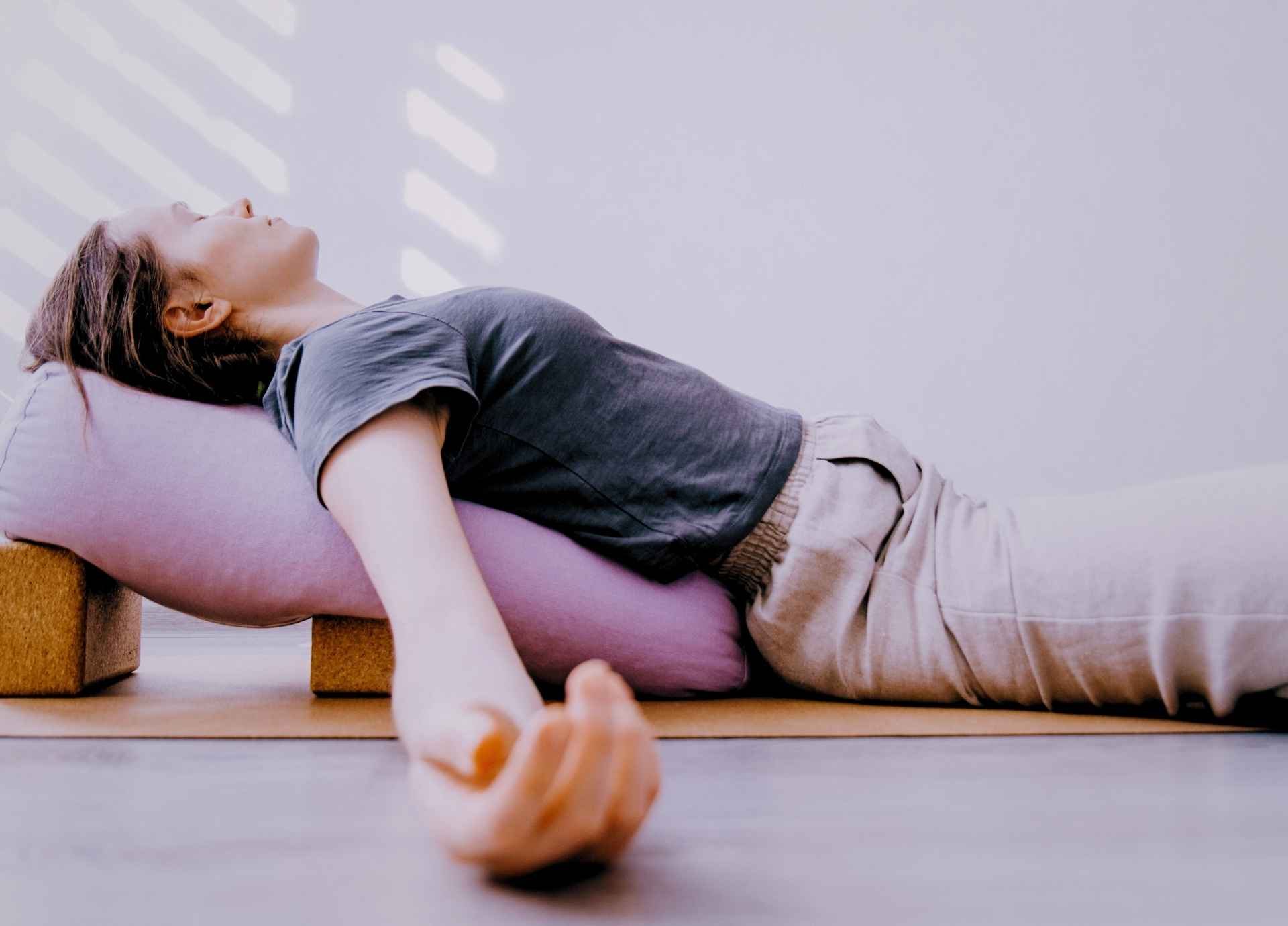
Yoga Nidra Meditation: Guided Deep Relaxation Explained
Yoga Nidra meditation is a structured guided practice that brings the body into deep relaxation while maintaining conscious awareness. Often referred to as yogic sleep, this technique allows the nervous system to reset while the mind remains gently attentive. When practiced consistently, Yoga Nidra meditation may reduce stress, improve sleep quality, and support emotional balance.
Yoga Nidra is conscious rest, not ordinary sleep.
What Is Yoga Nidra Meditation
Yoga Nidra translates to “yogic sleep.”
It is a guided meditation practice where you:
- Lie down comfortably
- Follow verbal instructions
- Rotate awareness through the body
- Observe breath and sensation
- Set a clear intention
Unlike seated meditation, Yoga Nidra is practiced lying down, typically in Savasana.
Meditation in Yoga: A Complete Guide to Practice and Progression
How Yoga Nidra Differs From Regular Sleep
During sleep:
- Awareness fades
- Conscious control decreases
During Yoga Nidra meditation:
- The body relaxes deeply
- Awareness remains present
- The mind stays gently observant
You may feel close to sleep, but the aim is conscious relaxation.
The Structure of a Yoga Nidra Meditation Practice
Although styles vary, most sessions include:
1. Settling Into Stillness
Lying comfortably with full body support.
2. Setting a Sankalpa
A short, clear intention stated in present tense.
3. Rotation of Consciousness
Guiding awareness systematically through different body parts.
4. Breath Awareness
Observing natural breathing without controlling it.
5. Visualization or Sensory Awareness
Simple guided imagery or awareness prompts.
6. Gradual Return
Bringing awareness back to the physical environment.
Sessions typically last 20 to 45 minutes.
The Nervous System and Yoga Nidra Meditation
Deep relaxation may:
- Reduce sympathetic activation
- Improve parasympathetic tone
- Lower heart rate
- Decrease muscle tension
- Support stress recovery
- Improve sleep onset
Yoga Nidra can feel restorative even in shorter sessions.
When to Practice Yoga Nidra Meditation
- Before sleep
- During high stress periods
- After intense asana practice
- During recovery from illness
- As a midday reset
- When feeling mentally fatigued
Consistency enhances benefits.
Common Experiences During Practice
You may notice:
- Floating sensation
- Time distortion
- Subtle imagery
- Emotional release
- Deep calm
- Occasional drifting toward sleep
All are normal responses.
Common Misconceptions
- It is not hypnosis
- It is not forced visualization
- It is not performance based
- Falling asleep occasionally is normal
The practice remains beneficial even if attention drifts.
Prenatal and Postpartum Considerations
Prenatal:
- Lie on side after first trimester
- Use bolsters for support
- Keep sessions moderate in length
Postpartum:
- Excellent for nervous system reset
- Practice when supported
- Accept possible interruptions
- Keep expectations flexible
Comfort is essential.
Emotional and Psychological Effects
With regular practice, Yoga Nidra meditation may support:
- Reduced anxiety
- Improved mood regulation
- Greater self awareness
- Increased resilience
- Clearer intention setting
Effects accumulate gradually.
From Personal Experience
Yoga Nidra meditation often feels deceptively simple. However, the depth of rest it produces can be significant. Over time, even brief sessions create noticeable shifts in energy and clarity.
Intention (Sankalpa)
I rest deeply while remaining aware and steady.
Closing
Yoga Nidra meditation offers structured deep relaxation that supports nervous system balance and conscious awareness. By combining guided attention with physical stillness, it creates a powerful reset for body and mind. Let this practice become a restorative foundation within your yoga journey.
Post a Comment