


The Origins of Human Design: Astrology, I Ching, Chakras and Quantum Energy
Human Design is often described as a modern system of self-understanding, yet its roots stretch across ancient traditions, sacred philosophy, and contemporary scientific insight.
A System Born at the Intersection of Ancient Wisdom
Human Design did not emerge from a single spiritual tradition. Instead, it developed at the crossroads of several powerful knowledge systems that have attempted to understand human nature for thousands of years.
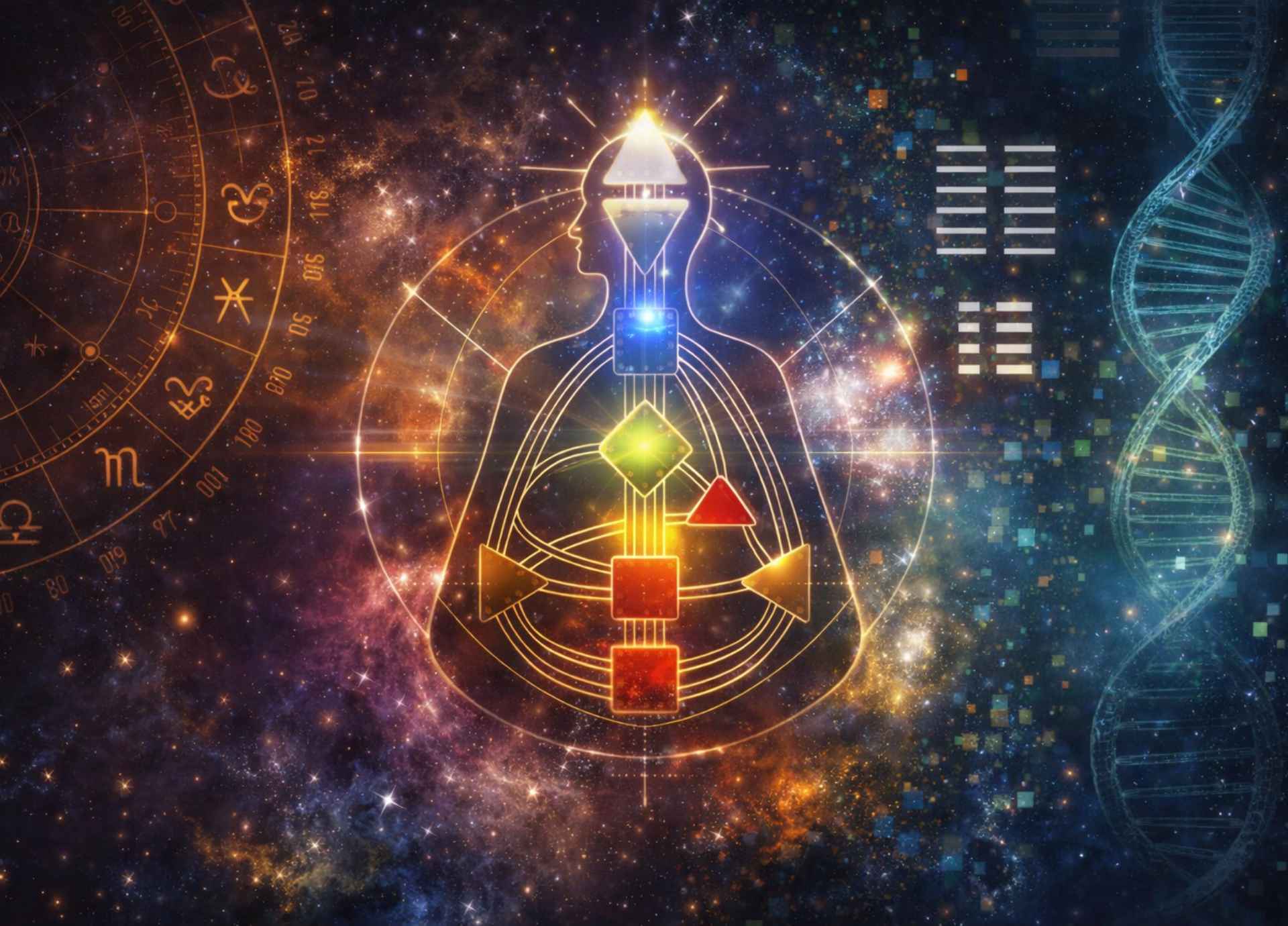
At its core, Human Design weaves together elements of astrology, the I Ching, the chakra system, and mystical philosophy with ideas drawn from modern science.
This synthesis creates a framework that maps how energy flows through the human body and how individuals interact with the world around them.
Rather than replacing older traditions, Human Design can be seen as a system that integrates their insights into a unified energetic model.
Human Design Beginner’s Guide: Understanding Your Energy Blueprint
The Astrological Foundation
One of the primary foundations of Human Design is astrology.
Just as in astrology, a Human Design chart is calculated using a person’s date, time, and place of birth. These celestial coordinates determine the planetary positions that influence the energetic blueprint represented in the Bodygraph.
Each planet corresponds to specific themes within the chart, activating particular energetic gates that shape personality traits, tendencies, and life themes.
In this way, Human Design preserves astrology’s central idea that the movements of celestial bodies mirror energetic patterns within human life.
The Influence of the I Ching
Another key influence within Human Design comes from the I Ching, one of the oldest divination systems in the world.
The I Ching is based on sixty four archetypal patterns known as hexagrams. These hexagrams represent universal dynamics that influence transformation, change, and human experience.
In Human Design, these sixty four archetypal energies appear as gates within the Bodygraph.
Each gate represents a specific energetic theme that can express itself through personality traits, talents, or life challenges.
When these gates connect between centers, they form the energetic pathways known as channels.
Through this structure, the philosophical wisdom of the I Ching becomes embedded within the energetic architecture of the Human Design system.
The Chakra System Reimagined
Human Design also draws inspiration from the chakra system found in ancient yogic traditions.
While traditional teachings describe seven chakras, Human Design expands this model into nine energy centers.
These centers correspond to various aspects of consciousness and perception, including thought, communication, emotional awareness, intuition, identity, and life force energy.
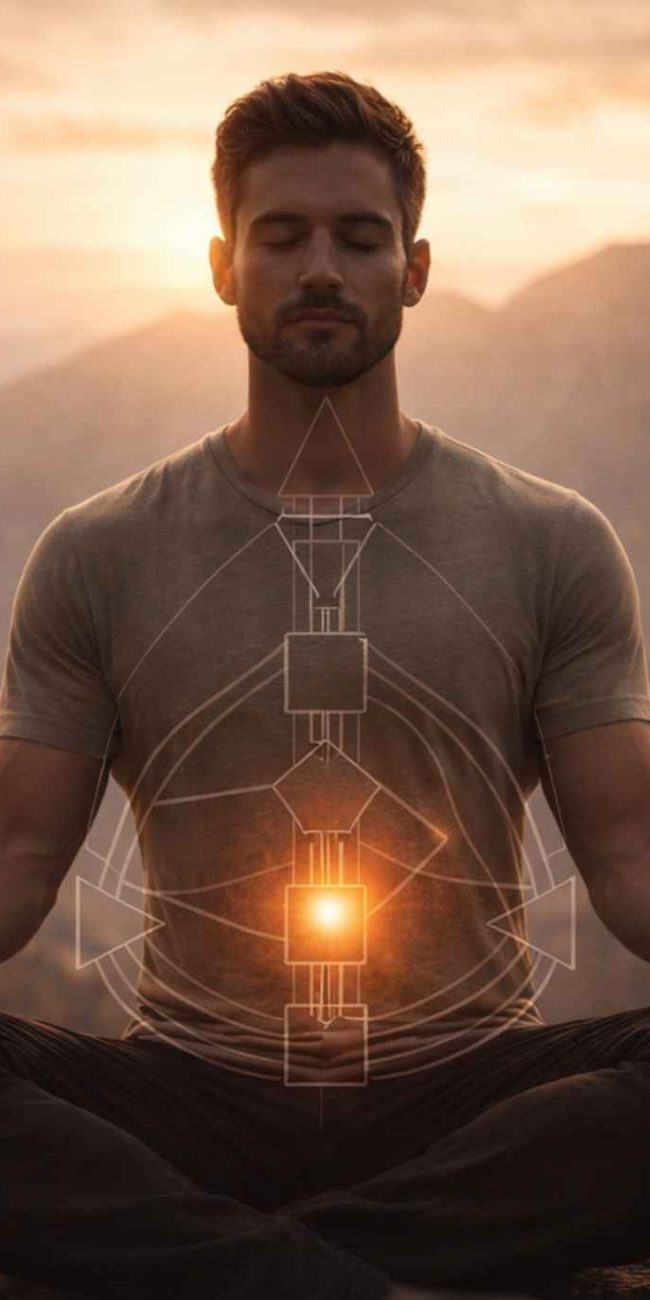
The nine centers form the structural foundation of the Bodygraph.
Some of these centers appear defined, indicating consistent energy expression, while others remain open and receptive to external influence.
Through this model, the chakra philosophy of energetic flow becomes integrated into a more detailed energetic circuitry.
The Role of Modern Scientific Concepts
Human Design also incorporates ideas inspired by modern scientific discoveries.
Concepts from genetics, quantum physics, and biochemistry are often referenced to describe how energy patterns may influence the body.
While Human Design itself is not considered a scientific discipline, it uses these concepts as metaphors for understanding how subtle energetic information might interact with human consciousness.
For example, the sixty four gates of Human Design correspond symbolically to the sixty four codons of human DNA, suggesting a bridge between ancient archetypes and biological structures.
This parallel illustrates the system’s intention to link mystical insight with modern understandings of the human body.
The Emergence of Human Design as a Modern System
Human Design first emerged publicly in the late twentieth century when its teachings were introduced as a new system of energetic awareness.
Over time, it gained interest among spiritual seekers, coaches, and researchers exploring alternative frameworks of self-understanding.
What makes Human Design distinctive is the way it combines ancient symbolic traditions with contemporary language about energy and personal alignment.
Instead of presenting rigid doctrines, the system offers a map that individuals can explore through their own lived experience.
Why the Origins Matter
Understanding the origins of Human Design helps reveal why the system resonates with so many people.
Each of its foundational traditions offers a different lens for understanding human nature:
Astrology explores the influence of cosmic timing.
The I Ching reflects patterns of transformation.
The chakra system maps the flow of life force energy.
Modern science introduces perspectives about biological and energetic interaction.
Human Design brings these perspectives together into a single energetic framework.
Human Design as a Living System
Although its influences come from ancient sources, Human Design is often described as a living system.
Rather than remaining static, its interpretations continue to evolve as individuals explore how the system applies to real experiences.
This openness allows Human Design to function less as a rigid doctrine and more as a framework for observation and self-awareness.
Many people find that its value emerges gradually as they observe how their energy responds to life through the lens of the chart.
Human Design Strategy Explained: The Key to Living in Alignment
Reflection
Consider reflecting on the traditions that shape your understanding of self and energy.
1: Do you feel drawn more strongly to astrology, philosophy, or energetic systems?
2: How do different traditions help you understand your experiences?
3: What insights arise when multiple perspectives are woven together?
Exploring these questions can reveal how different forms of wisdom complement one another.
Closing Reflection
The origins of Human Design remind us that understanding human nature has always been a shared exploration across cultures and centuries.
By weaving together ancient philosophy and modern insight, the system offers a map that encourages deeper awareness of the energetic patterns that shape our lives.
Post a Comment