



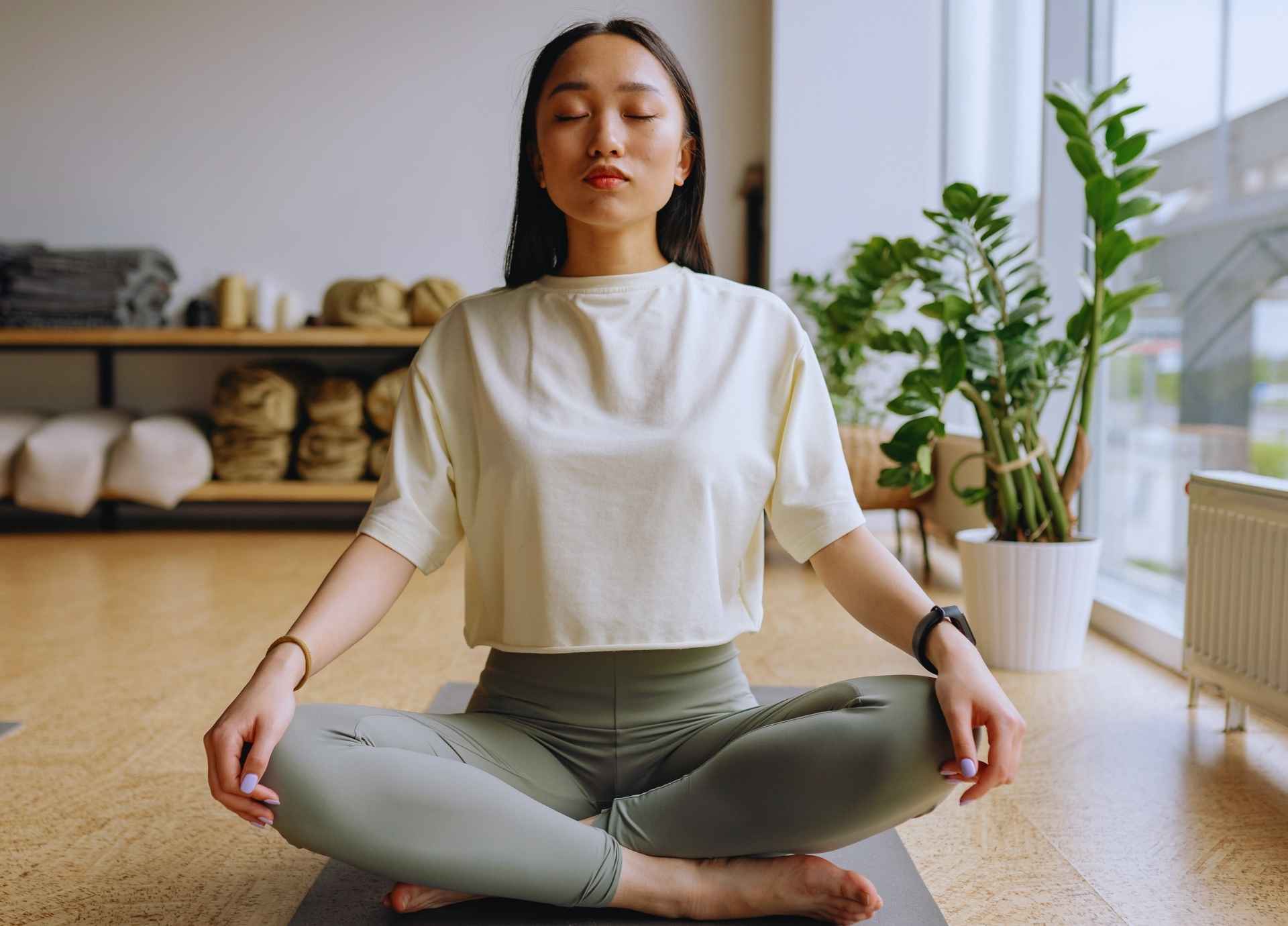
Understanding Ujjayi Breath: Technique and Benefits
Ujjayi Breath is a foundational pranayama technique that creates warmth, focus, and steadiness in both body and mind. Known for its soft oceanic sound, Ujjayi supports concentration, regulates the breath, and helps guide movement through yoga practice. When learned gently and without strain, it becomes a calming anchor for breath awareness.
Ujjayi Breath should always feel natural and spacious, never forced.
What Ujjayi Breath Is
The word Ujjayi means victorious or expansive.
This technique slightly narrows the throat to create a soft, steady sound during inhalation and exhalation.
It encourages:
- Slow, even respiration
- Warmth in the body
- Steady focus
- Grounded awareness
- Smooth transitions between movement
Ujjayi is often paired with asana but can also be practiced on its own.
How to Practice Ujjayi Breath
Here is a safe and accessible way to learn it.
Step 1: Find a Comfortable Seat
Sit in Sukhasana or kneel in Virasana.
Lengthen the spine gently.
Step 2: Breathe Through the Nose
All breath remains in and out through the nose.
Step 3: Slightly Constrict the Back of the Throat
Imagine fogging a mirror with the mouth open.
Then close the mouth and create the same soft whisper with the breath.
This sound is subtle, like waves or wind.
Step 4: Slow the Breath
Inhale for a slow count of four
Exhale for a slow count of four
Allow breath to grow smooth and even.
Step 5: Continue for Several Cycles
The sound should be soft, steady, and unforced.
Step 6: Release
Return to natural breath when complete.
What Ujjayi Breath Should Not Feel Like
- Strained
- Tight
- Forced
- Loud
- Rushed
- Dry or uncomfortable
The goal is ease, warmth, and steadiness, not intensity.
Benefits of Ujjayi Breath
Ujjayi supports wellbeing through several gentle mechanisms:
Calms the Nervous System
Slow, even breath stimulates the parasympathetic nervous system, helping reduce stress and anxiety.
Improves Focus
The sound anchors attention and reduces mental distraction.
Creates Internal Warmth
The gentle constriction generates heat that helps soften muscles.
Supports Smooth Movement
In vinyasa practice, Ujjayi links breath to motion, creating flow and rhythm.
Encourages Breath Awareness
Practitioners often become more mindful of the length, depth, and texture of their breath.
When to Practice Ujjayi Breath
- During gentle vinyasa sequences
- At the beginning of practice to focus the mind
- During seated meditation
- When breath feels uneven or rushed
- As a grounding technique during stress
It is most helpful when practiced with patience.
Common Mistakes to Avoid
- Forcing the throat
- Creating a loud or harsh sound
- Feeling tension in jaw or neck
- Holding breath
- Pushing through discomfort
A gentle approach is always safest.
Variations and Adaptations
If throat sensitivity occurs:
- Keep the sound very soft
- Shorten the breath
- Practice through the nose without throat narrowing
If you are new to breathwork, shorter sessions are best until it becomes familiar.
Prenatal and Postpartum Notes
Prenatal:
- Ujjayi is generally safe
- Keep breath soft, slow, and natural
- Avoid deep breath retention
- Skip if nausea or lightheadedness occurs
Postpartum:
- Gentle Ujjayi helps reconnect breath and core
- Practice seated with support
- Release the breath if any tension arises
Breath should always support comfort.
From Personal Experience
Ujjayi Breath becomes intuitive with repetition. Over time, the soft sound and smooth rhythm become a steadying presence in your practice. It often becomes the bridge between movement and awareness, gently guiding attention inward.
Intention (Sankalpa)
I breathe with steadiness, warmth, and clear awareness.
Dirgha Pranayama Yoga: A Complete Guide to the Three Part Breath
Closing
Ujjayi Breath offers a simple and effective way to build focus, regulate the nervous system, and support mindful movement. When practiced gently, it becomes a grounding anchor for daily life and yoga. Allow it to guide your breath with calm, consistent ease.
Post a Comment