

The History and Cultural Roots of Moon Rituals
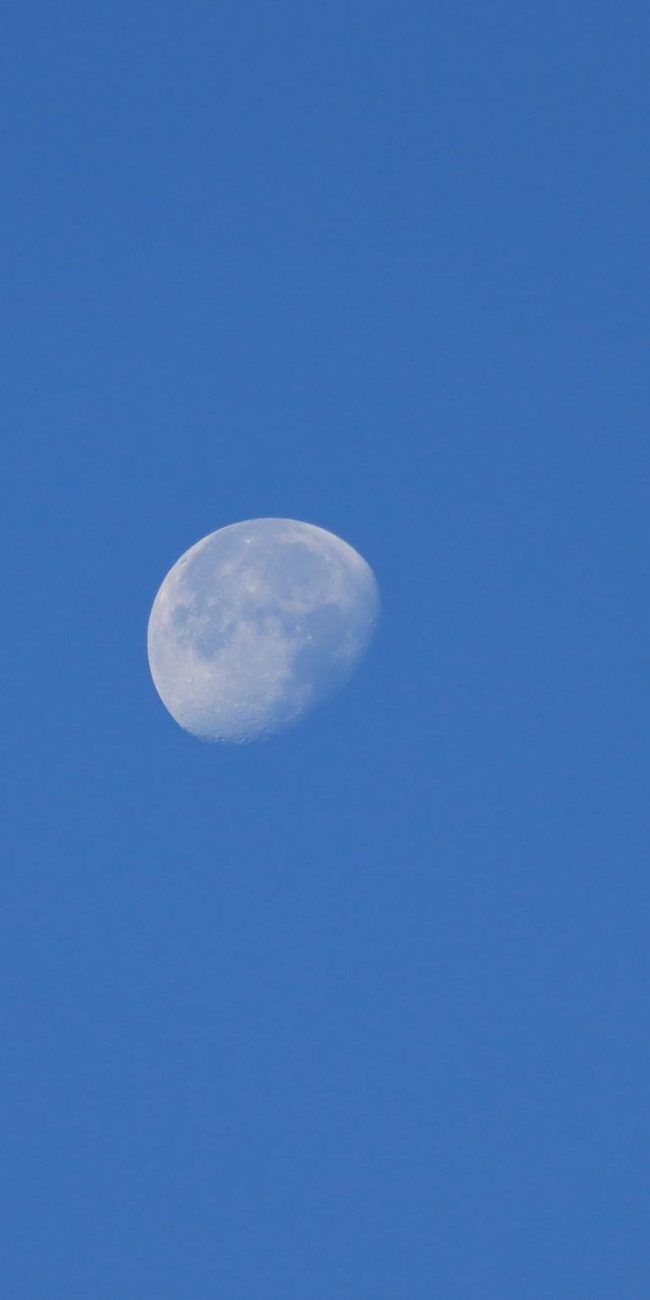
Long before artificial light, clocks, or digital calendars, humanity looked to the Moon. Her shifting light was our first calendar, her cycles guiding planting, harvesting, travel, and spiritual rites.
Moon rituals are not a modern invention. They are an unbroken thread of magic and meaning, woven through every ancient culture — a testament to our enduring connection with the rhythms of nature.
To practise lunar magic today is to step into a lineage that stretches back thousands of years.
Ancient Civilisations and the Moon
Mesopotamia: The Moon as Timekeeper
In ancient Mesopotamia, the Moon god Sin (or Nanna) was revered as the divine timekeeper. Lunar phases determined the dates of festivals, religious observances, and agricultural cycles. Priests tracked the Moon’s path with meticulous care, seeing it as a cosmic map for earthly life.
Beginner’s Guide to Moon Rituals: Aligning with Lunar Energy
Egypt: The Moon and Sacred Order
For the Egyptians, the Moon was linked to Thoth, the god of wisdom, writing, and measurement. Lunar cycles regulated temple rituals and influenced the Egyptian calendar. The Moon’s waxing and waning mirrored the cycles of life, death, and rebirth at the heart of Egyptian spirituality.
Greece and Rome: Goddess of Light
The Greeks worshipped Selene, the goddess who drove her silver chariot across the night sky, later merged with Artemis (goddess of the hunt and protector of women) and Hecate (goddess of magic and the crossroads). The Romans knew her as Luna, and their festivals often aligned with key lunar phases.
Indigenous and Folk Traditions
Native American Lunar Wisdom
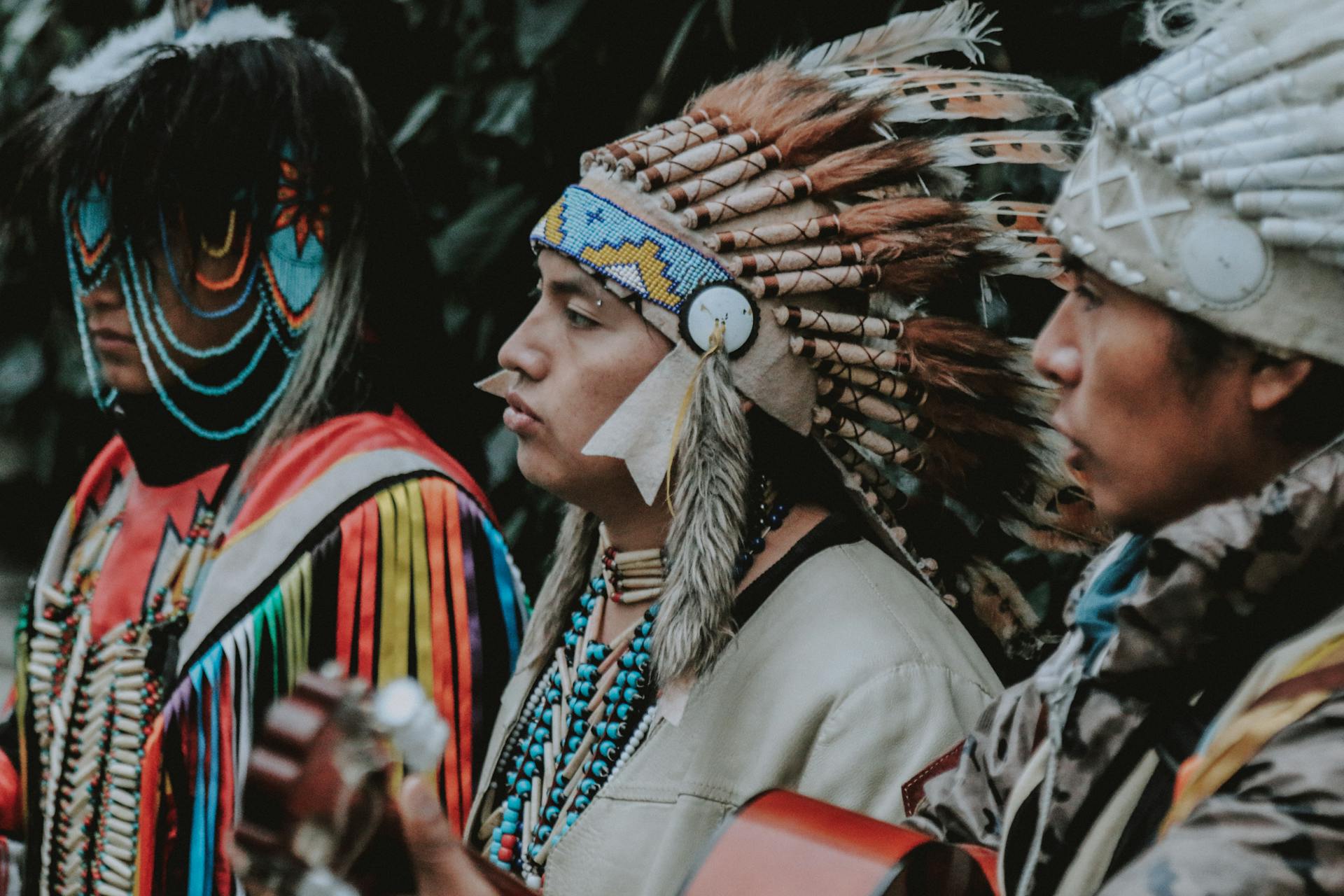
Many Native American tribes named each Full Moon to reflect seasonal changes — like the “Snow Moon” of February or the “Harvest Moon” of autumn. These names weren’t just poetic; they carried practical guidance for planting, hunting, and community gatherings.
Celtic and Pagan Traditions
In Celtic and other European pagan traditions, Moon phases guided agricultural and magical practices. Full Moons were celebrated with fire festivals, feasts, and communal rites, while the Dark Moon was a time for deep divination and shadow work.
African and Asian Lunar Practices
In Africa, the Moon is central to many agricultural calendars and initiation rites. In Asia, traditions like Chinese and Hindu astrology use lunar cycles to determine auspicious days for marriage, travel, and religious ceremonies. The Chinese Mid-Autumn Festival, for example, celebrates the harvest under the light of the Full Moon.
The Moon and Feminine Energy
Across cultures, the Moon has been linked to the divine feminine. Its monthly cycle mirrors the menstrual cycle, connecting lunar energy with fertility, creativity, and intuition. Goddess worship in honour of the Moon can be found in cultures from Sumer to Mesoamerica, often celebrating her role as a protector, nurturer, and guide.
The Shift into Modern Moon Rituals
As industrialisation distanced humanity from natural cycles, lunar practices began to fade from daily life. Yet, in recent decades, there has been a revival — blending ancient wisdom with modern self-care, spirituality, and psychology.
Today’s Moon rituals may incorporate candles, crystals, journaling, or meditation, but their essence remains the same: aligning ourselves with the timeless rhythm of the Moon.
Why History Matters in Your Practice
Understanding the cultural roots of Moon rituals adds depth to your work. It connects you to the countless generations who have stood beneath the same sky, guided by the same light.
When you light your candle, draw your circle, or whisper your intention to the Moon, you are participating in a global, ancient, and unbroken conversation between humanity and the cosmos.
Moon Cycles and Spiritual Growth: Harnessing Lunar Energy for Transformation
Closing Thoughts
Moon rituals are not just “witchy trends.” They are living traditions — echoes of a time when our lives moved in harmony with nature’s cycles.
Honouring their history is not about recreating the past perfectly. It’s about recognising the sacred lineage you step into each time you choose to live by the Moon.
Post a Comment
![Chiron: The Wounded Healer — Healing, Wisdom & Transformation [Astrology Planet & Witchcraft Guide]](https://test.houseofwitchcraft.co/wp-content/uploads/2025/08/astrology-chiron-planet-guide-wounded-healer-650x1300.jpg)