![Chiron: The Wounded Healer — Healing, Wisdom & Transformation [Astrology Planet & Witchcraft Guide]](https://test.houseofwitchcraft.co/wp-content/uploads/2025/08/astrology-chiron-planet-guide-wounded-healer-150x150.jpg)

Why Slow Yoga Is Becoming Essential for Burnout Recovery
In a world that demands constant speed, slow yoga arrives like a soft exhale, inviting your body back into presence. It is a reminder that healing does not come from pushing harder, but from grounding deeper. When practiced with intention, slow yoga becomes a potent medicine for burnout, helping you return to clarity, steadiness, and genuine rest.
What Is Slow Yoga and Why Does It Matter?
Slow yoga is any style of practice that emphasizes steady breath, mindful pacing, and low-intensity movement. This includes gentle Hatha, Restorative yoga, Yin yoga, and soft flow sequences. These practices work with the body rather than against it, honoring fatigue, emotional overwhelm, and nervous system exhaustion.
Burnout is not simply tiredness. It is a state of physical, emotional, and mental depletion that occurs when the body operates beyond its capacity for too long. Slow yoga matters because it speaks directly to the physiological patterns behind burnout: chronic stress, dysregulated breathing, mental fatigue, and overstimulation.
When you slow down, you give your system permission to repair itself. Slow yoga becomes a structured pathway back to balance.
Core Meaning and Essence
At its foundation, slow yoga supports burnout recovery by:
- Calming sympathetic activation
- Regulating breath patterns
- Releasing tension from overlooked muscle groups
- Supporting emotional integration
- Reducing cognitive overload
- Encouraging rest, softness, and receptivity
From a physiological standpoint, slow pacing influences:
- Vagal tone (nervous system resilience)
- Diaphragmatic breathing
- Stress hormone reduction
- Sensory grounding
From a spiritual and witchcraft perspective, slow movement reconnects you with your inner rhythm, allowing intuition, clarity, and softness to return.
Key Aspects and Symbolism
- Element: Water
- Energy Quality: Flow, restoration, emotional clarity
- Archetype: The Healer or Wise Observer
- Shadow expressions: Overworking, emotional numbness, irritability, detachment
- Balanced expressions: Presence, calm, emotional attunement
Slow yoga includes practices such as:
- Supported forward folds
- Gentle hip openers
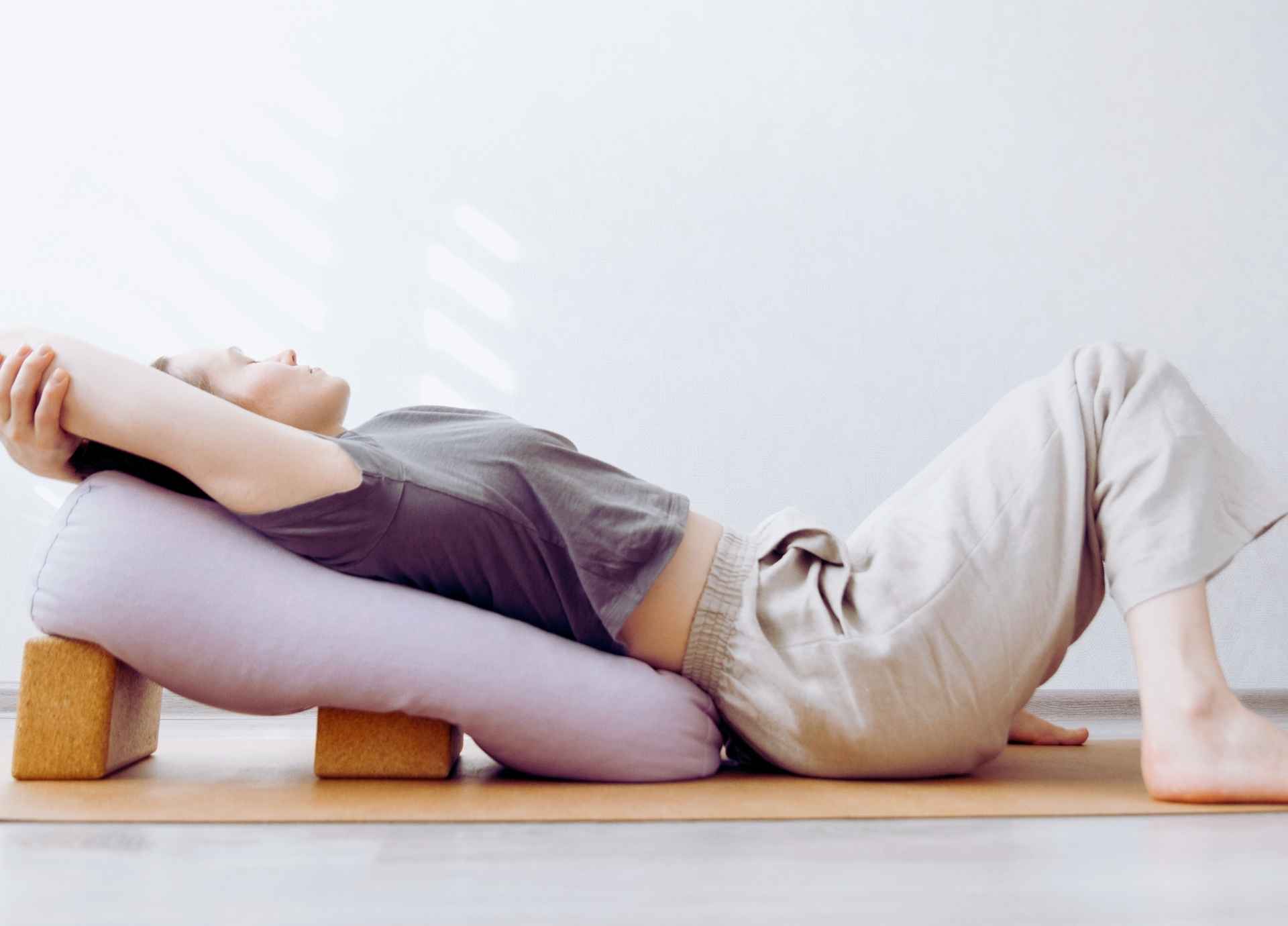
- Restorative backbends
- Breath-led transitions
- Long, mindful pauses
These shapes soothe the nervous system, release chronic tension, and reintroduce a sense of inner spaciousness.
Signs You May Need Slow Yoga
Burnout often shows up through subtle and not-so-subtle signs, such as:
- Constant fatigue despite rest
- Emotional numbness or irritability
- Feeling overstimulated or overwhelmed
- Difficulty concentrating
- Tight chest or shallow breath
- Sleep disturbances
- Feeling disconnected from pleasure or intuition
Energetically, you may experience:
- A lack of creativity
- A desire to withdraw from noise
- Sudden cravings for stillness or darkness
- Repeating signs or synchronicities tied to rest and release
Your body signals the need for slower movement long before burnout becomes severe.
Practical Connection
Slow Yoga Burnout Ritual (12 minutes)
- Begin seated with your spine supported.
- Inhale through the nose for four counts, exhale for six counts.
- Move gently through:
- Cat and Cow
- Seated Side Bends
- Supported Child’s Pose
- Reclined Twist
- Finish in Supported Savasana with a pillow beneath your knees.
Breathwork for Regulation
- Extended exhale breathing (4 in, 6 or 8 out)
- Gentle belly breathing
- Sighing breaths (inhale through the nose, sigh out through the mouth)
Journal Prompts
- Where do I push past my limits?
- What does my body need more of this week?
- What areas of my life need softening?
- How do I define rest?
Energy Ritual
- Light a single candle.
- Sit quietly and match your breath to the slow rise and fall of the flame.
- Set the intention: “I return to myself with gentleness.”
Herbs, Crystals, and Colors
- Herbs: chamomile, lavender, lemon balm
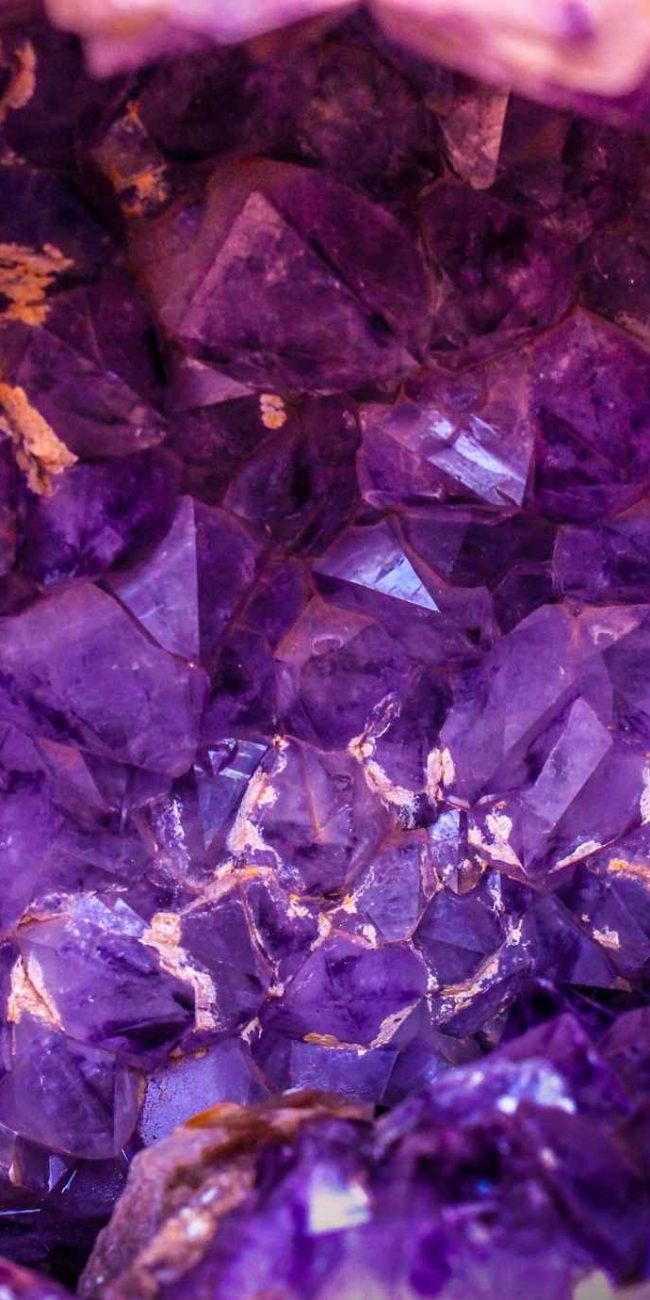
- Crystals: amethyst, moonstone, rose quartz
- Colors: pale blue, lavender, soft gray
Prenatal and Baby Yoga Note
Slow yoga is safe and supportive for prenatal and postpartum stages. Recommended postures include gentle side bends, seated forward folds, pelvic tilts, and supported restorative shapes. Avoid deep compressions or overstretching due to increased ligament flexibility during pregnancy.
From Personal Experience
Practicing slow yoga during periods of high stress feels like stepping into a more truthful rhythm. When movement becomes gentle, the mind follows. Over time, slow yoga rebuilds trust between body and mind, creating a sense of inner rest that fast living often erodes.
Affirmation
I soften. I slow down. I restore myself with care.
Closing
Slow yoga is not an escape from life. It is a return to the part of you that knows how to breathe, feel, and rest. When you embrace slower movement, you create the conditions for burnout to unravel and for clarity and vitality to return. Healing begins the moment you choose to move gently.
Post a Comment