




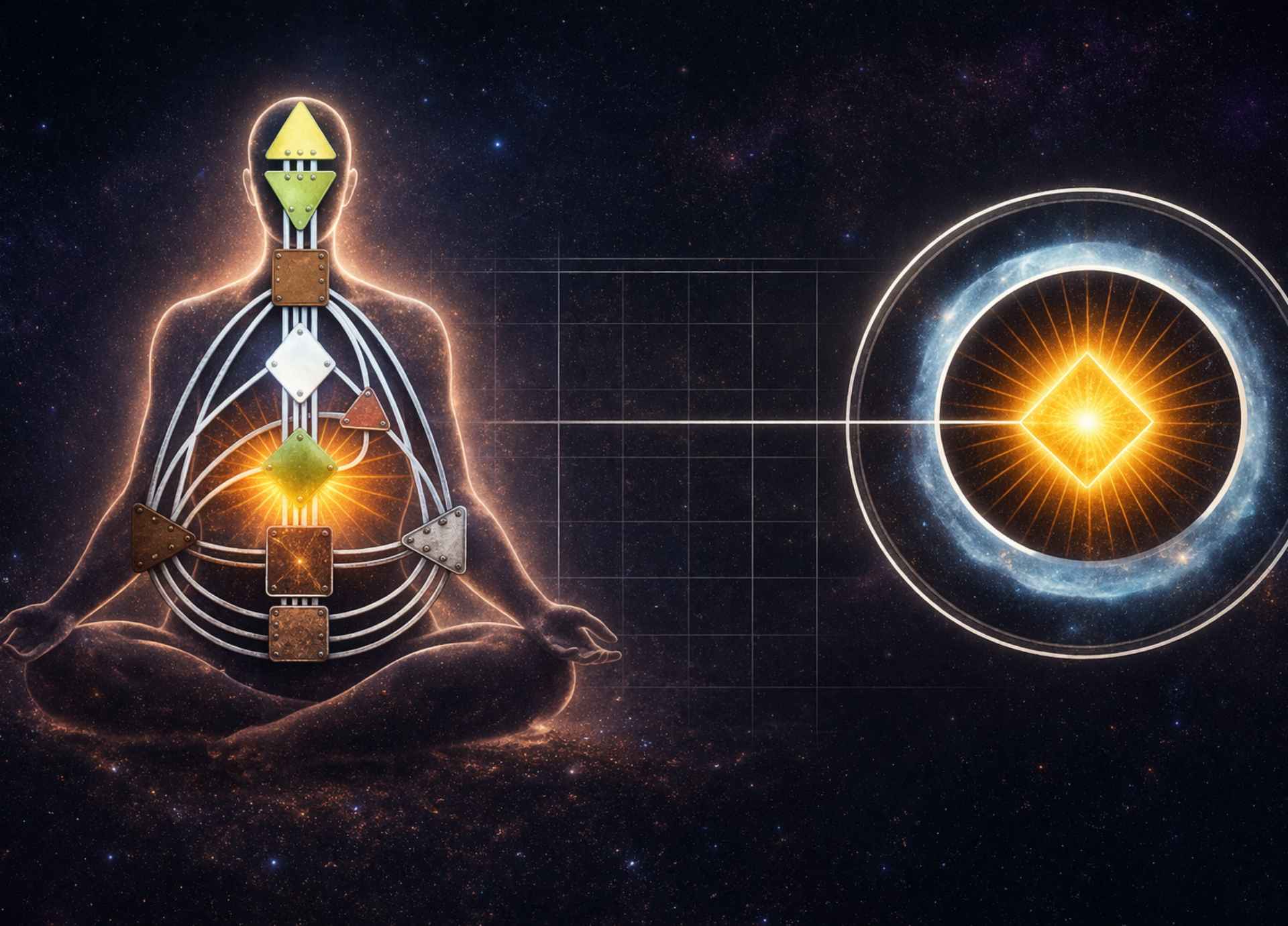
Human Design Solar Plexus Center Explained: Emotional Awareness and Sensitivity
The Solar Plexus Center in Human Design represents the emotional landscape of the human experience. It governs how emotional energy moves through us, shaping sensitivity, connection, and the rhythm of our feelings.
Understanding the Solar Plexus Center in Human Design
Within the Human Design Bodygraph, the Solar Plexus Center is the center of emotional awareness. It processes emotional energy and influences how individuals experience feelings such as joy, excitement, tension, and vulnerability.
Unlike mental centers that process thoughts, the Solar Plexus Center operates through emotional waves. These waves rise and fall naturally, creating a rhythm of emotional experience.
This center plays an important role in relationships, communication, and the ability to connect with others on an emotional level.
Understanding the Solar Plexus Center helps reveal how emotions influence perception, decisions, and interpersonal dynamics.
The Emotional Wave
A defining characteristic of the Solar Plexus Center is the presence of emotional waves.
These waves represent the natural fluctuation of emotional energy over time.
An emotional wave may move through phases such as:
- Excitement or enthusiasm
- Neutral calmness
- Reflection or sensitivity
- Renewed emotional movement
These shifts are part of the emotional rhythm of the center.
For individuals with a defined Solar Plexus Center, emotional clarity often emerges only after the wave has settled. This is why Human Design associates the Solar Plexus Center with Emotional Authority.
Defined Solar Plexus Center
When the Solar Plexus Center is defined in a Human Design chart, emotional energy moves through consistent waves.
Individuals with a defined Solar Plexus Center tend to experience emotions deeply and cyclically.
Their emotional landscape may shift between different states over time, yet this movement follows a natural rhythm.
Because emotional clarity develops gradually, these individuals often benefit from allowing time to pass before making important decisions.
Patience allows the emotional wave to settle, revealing a more balanced perspective.
Undefined Solar Plexus Center
An undefined Solar Plexus Center appears open in the chart.
Individuals with this configuration often experience emotions differently.
Rather than generating emotional waves internally, they may absorb and amplify the emotions of others.
This openness can create strong empathy and sensitivity to emotional environments.
However, it may also lead to discomfort when surrounded by intense emotional energy.
Learning to recognize which emotions belong to oneself and which originate from the environment can help maintain emotional balance.
The Role of Emotional Awareness
The Solar Plexus Center influences how individuals navigate emotional experiences.
It affects how feelings are expressed, how conflicts are processed, and how relationships evolve over time.
Emotional awareness within this center often encourages reflection.
Instead of reacting immediately to emotional experiences, individuals may benefit from observing how feelings shift over time.
This awareness helps reveal the deeper insights contained within emotional waves.
Emotional Energy in Relationships
Because the Solar Plexus Center governs emotional expression, it plays a significant role in relationships.
Individuals with a defined emotional center may bring emotional depth and authenticity into connections.
Those with an open center may sense emotional shifts in others quickly and respond with empathy.
Understanding these dynamics can help individuals navigate emotional interactions with greater awareness and compassion.
Working With the Solar Plexus Center
Working with this center begins with recognizing that emotional movement is natural.
For individuals with a defined center, honoring the emotional wave and allowing time before making decisions can help support clarity.
For individuals with an undefined center, creating healthy emotional boundaries can help maintain energetic balance.
Practices such as reflection, journaling, or spending time in calm environments may support emotional awareness.
Reflection
Consider reflecting on how emotions move through your experience.
1: Do your emotions tend to move in waves over time?
2: How do emotional environments influence your mood?
3: When do you feel the most emotionally balanced?
Observing these patterns can reveal how the Solar Plexus Center expresses itself in your life.
Closing Reflection
The Solar Plexus Center reminds us that emotions are not obstacles to clarity.
They are part of the energetic rhythm of human experience. When emotional waves are observed with patience and awareness, they often reveal deeper insight into our relationships, choices, and inner landscape.
Post a Comment