




Prana Mudra in Yoga: How to Activate Vital Energy
Prana Mudra in yoga is a classical hand gesture believed to support vitality and internal balance. By connecting specific fingers, this mudra may influence energetic pathways while also stabilizing attention. When combined with breath awareness or meditation, it becomes a simple yet structured practice for cultivating steady focus.
Mudras guide attention through subtle physical alignment.
What Is Prana Mudra in Yoga
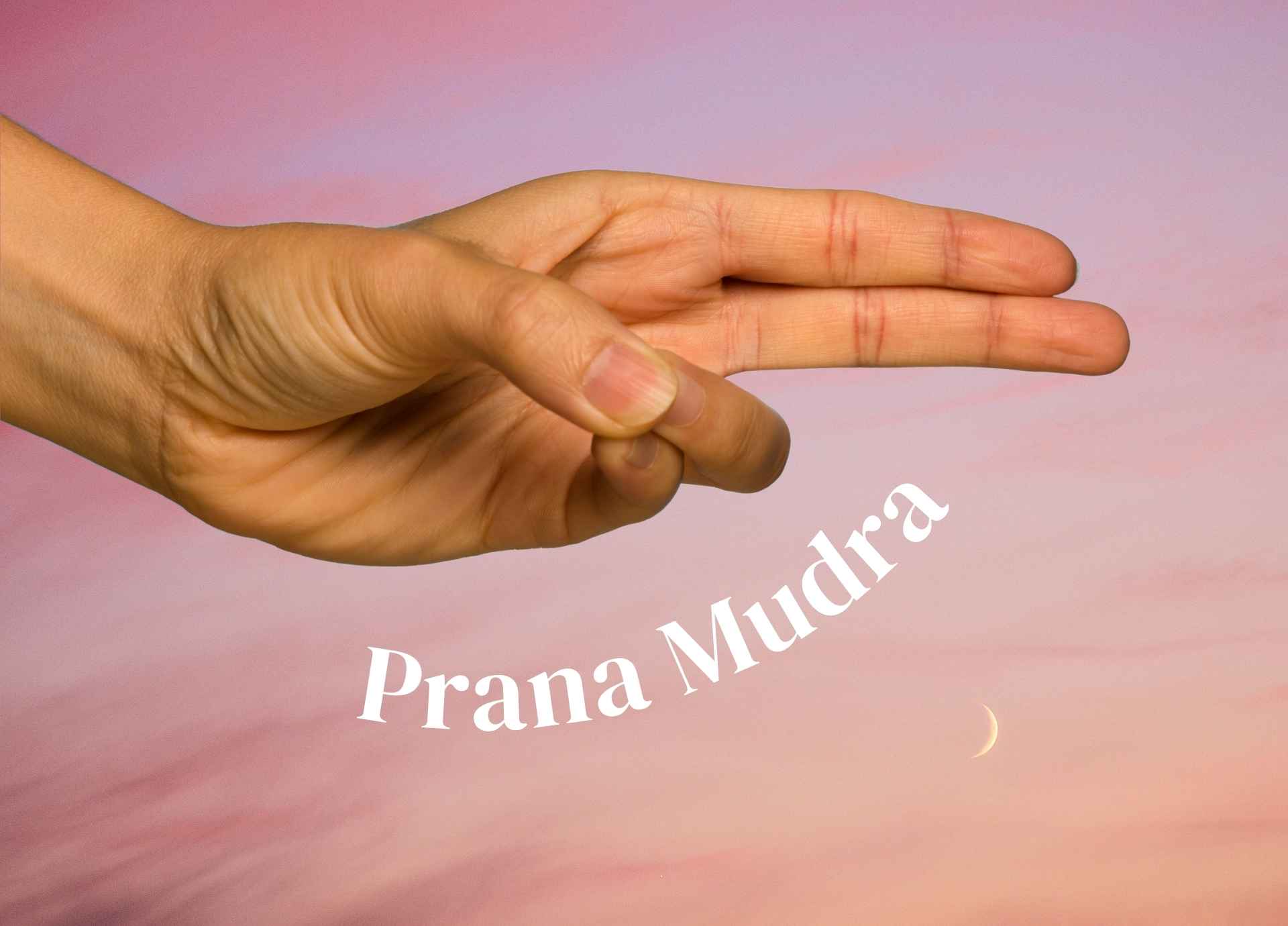
Prana Mudra is formed by:
- Touching the tip of the thumb
- To the ring finger
- And the little finger
- While keeping index and middle fingers extended
Hands rest gently on the thighs with palms facing upward.
In yogic tradition, this mudra is associated with activating dormant energy and strengthening vitality.
The Role of Mudras in Yoga
Mudras are symbolic hand gestures that:
- Direct attention
- Reinforce intention
- Support breath awareness
- Create subtle muscular engagement
- Encourage stillness
Though small in movement, they influence posture and awareness.
How to Practice Prana Mudra
- Sit comfortably in Sukhasana or on a chair.
- Form the mudra with both hands.
- Rest hands on thighs.
- Close eyes gently.
- Practice natural breathing or Dirgha Pranayama.
Remain for 5 to 15 minutes.
When to Use Prana Mudra in Yoga
- During meditation
- During pranayama
- When feeling fatigued
- During grounding practices
- At the end of asana practice
Consistency enhances subtle effects.
Nervous System Considerations
When combined with slow breathing, Prana Mudra may:
- Support calm alertness
- Reduce mental fatigue
- Improve concentration
- Create subtle activation without agitation
The breath remains the primary regulatory tool.
Prenatal and Postpartum Considerations
Safe for prenatal and postpartum practice when:
- Hands are relaxed
- Breath remains natural
- Posture is supported
Mudras are low impact and accessible.
Common Mistakes
- Pressing fingers too firmly
- Holding shoulders tense
- Expecting dramatic sensation
- Practicing without breath awareness
The effect is subtle and cumulative.
From Personal Experience
Prana Mudra feels most effective when paired with steady breath. Rather than producing sudden energy, it gradually increases alert calmness. Its simplicity makes it easy to integrate daily.
Intention (Sankalpa)
I cultivate steady and balanced energy through mindful awareness.
Closing
Prana Mudra in yoga offers a simple way to support vitality and focused awareness. By combining intentional hand placement with steady breathing, it reinforces regulation and clarity. Let this subtle practice enhance your meditation and pranayama routine.
Post a Comment