





Body Scan Meditation in Yoga: A Grounded Awareness Practice
Body scan meditation in yoga is a structured awareness practice that guides attention slowly through different parts of the body. Rather than controlling the breath or repeating a mantra, this meditation builds presence through sensation. When practiced regularly, it can support nervous system regulation, reduce tension, and improve mind body connection.
Body scan meditation strengthens awareness without forcing stillness.
What Is Body Scan Meditation in Yoga
Body scan meditation involves:
- Lying down or sitting comfortably
- Bringing attention to one area of the body at a time
- Observing sensation without judgment
- Moving gradually from one region to another
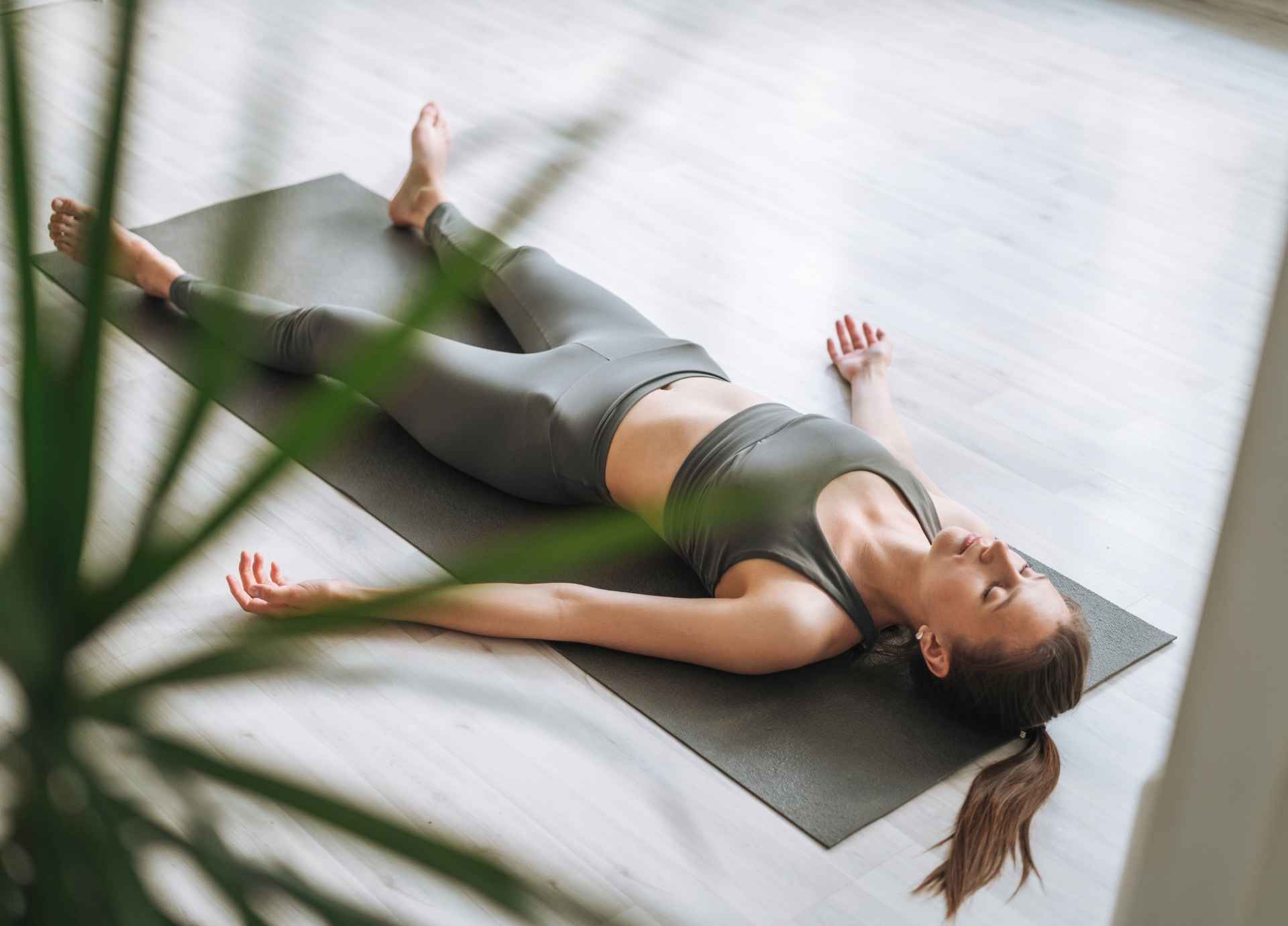
It is commonly practiced in Savasana or seated meditation.
Unlike concentration practices such as Dharana, body scan meditation encourages broad awareness rather than a single point focus.
Meditation in Yoga: A Complete Guide to Practice and Progression
Why Body Scan Meditation Is Effective
This meditation supports:
- Parasympathetic activation
- Reduced muscular tension
- Improved interoception
- Emotional regulation
- Awareness of subtle sensation
- Grounding during stress
It is particularly helpful for people who struggle with racing thoughts.
How to Practice Body Scan Meditation in Yoga
Step 1: Find a Comfortable Position
Lie in Savasana or sit upright with support.
Allow the body to settle naturally.
Step 2: Begin With Natural Breath
Observe breathing without changing it.
Step 3: Bring Awareness to the Feet
Notice:
- Temperature
- Pressure
- Tingling
- Contact with the floor
Do not try to change sensation.
Step 4: Move Slowly Up the Body
Shift attention gradually to:
- Ankles
- Calves
- Knees
- Thighs
- Hips
- Abdomen
- Chest
- Hands
- Arms
- Shoulders
- Neck
- Face
- Crown of the head
Pause briefly at each area.
Step 5: Observe Without Reaction
If tension is present, simply notice it.
Avoid actively relaxing or correcting.
Step 6: Complete With Full Body Awareness
Expand awareness to the entire body.
Remain still for several breaths.
A session can last 5 to 20 minutes.
What Body Scan Meditation Should Feel Like
- Grounding
- Neutral
- Calm
- Spacious
- Non reactive
It may feel subtle at first.
Common Challenges
- Mental distraction
- Falling asleep
- Restlessness
- Impatience
If attention drifts, gently return to the current body part.
When to Practice Body Scan Meditation in Yoga
- Before sleep
- After asana practice
- During stress
- During emotional overwhelm
- As a daily grounding ritual
- Before difficult conversations
It is versatile and adaptable.
The Nervous System and Interoception
Body scan meditation strengthens interoception, the ability to sense internal states. Improved interoception is linked to:
- Emotional awareness
- Reduced anxiety
- Better stress recovery
- Improved decision making
The practice builds subtle internal listening.
Prenatal and Postpartum Considerations
Prenatal:
- Practice side lying instead of flat on back
- Keep sessions short
- Focus on grounding sensations
Postpartum:
- Use supportive props
- Accept interruptions
- Keep awareness gentle
It can be a helpful regulation tool during hormonal transitions.
Emotional Effects
Body scan meditation may reveal:
- Stored tension
- Areas of numbness
- Emotional responses
- Subtle shifts in breath
Observing without judgment builds emotional steadiness.
From Personal Experience
Body scan meditation often feels simple, yet its effects accumulate gradually. Over time, awareness becomes more refined and tension is noticed earlier in daily life. This creates opportunities for regulation before stress escalates.
Intention (Sankalpa)
I observe my body with steady, non judgmental awareness.
Closing
Body scan meditation in yoga offers a grounded and accessible way to develop awareness and support nervous system balance. By guiding attention steadily through the body, you cultivate presence and regulation without force. Let this practice become a quiet anchor in your daily routine.
Post a Comment