
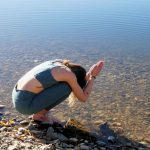





Yoga for Anxiety: A Complete Guide to Regulation and Stability
Yoga for anxiety focuses on nervous system regulation rather than intensity. Anxiety often reflects heightened sympathetic activation, irregular breathing patterns, and mental overactivity. Through structured breathwork, grounding postures, and steady meditation, yoga offers practical tools to restore stability and reduce reactivity.
Relief comes from regulation, not suppression.
Understanding Anxiety Through the Nervous System
Anxiety commonly involves:
- Rapid breathing
- Elevated heart rate
- Muscle tension
- Restlessness
- Mental looping
- Sleep disturbance
Physiologically, this often reflects sympathetic dominance.
Yoga addresses this through:
- Slow breathing
- Proprioceptive grounding
- Concentration training
- Sensory regulation
The goal is flexibility between activation and rest.
Breathwork for Anxiety in Yoga
Pranayama or breathwork is the most immediate intervention.
Extended Exhale Breathing
Inhale for 4
Exhale for 6 or 8
Longer exhalations stimulate parasympathetic response.
Nadi Shodhana
Alternate nostril breathing stabilizes rhythm and focus.
Dirgha Pranayama
Three part breathing expands diaphragmatic movement and reduces shallow chest breathing.
Avoid:
- Strong breath retention
- Rapid forceful pranayama
- Aggressive Kapalabhati during acute anxiety
Gentleness increases safety.
Grounding Asana for Anxiety
Asanas or yoga postures helps discharge excess activation.
Effective postures include:
- Forward folds such as Uttanasana
- Child’s Pose
- Supported Bridge Pose
- Seated forward folds
- Gentle hip openers
- Long held standing poses
Focus on:
- Slow transitions
- Steady breathing
- Stable contact with the floor
Avoid fast, chaotic transitions during high anxiety states.
Meditation Practices That Support Anxiety Reduction
Body Scan Meditation
Builds awareness of sensation and interrupts rumination.
Mantra Meditation
Repetition stabilizes mental focus.
Walking Meditation
Grounds awareness in movement for restless practitioners.
Short, consistent sessions are more effective than long, forced ones.
Ayurveda and Anxiety
In Ayurveda, anxiety often correlates with elevated Vata.
Signs of Vata imbalance may include:
- Restlessness
- Coldness
- Irregular appetite
- Difficulty sleeping
- Racing thoughts
Supportive strategies include:
- Warmth
- Routine
- Grounding food
- Slow yoga
- Consistent schedule
Stability reduces fluctuation.
The Role of Consistency
Occasional practice may feel helpful.
Consistent practice creates adaptation.
A simple daily structure:
5 minutes slow breathing
15 minutes grounding asana
5 minutes meditation
Short Savasana
Regularity strengthens regulation pathways.
Signs Yoga Is Supporting Anxiety Regulation
You may notice:
- Reduced intensity of anxious episodes
- Faster recovery after stress
- Improved sleep
- More stable breathing
- Increased awareness of triggers
- Reduced physical tension
Progress is gradual.
Common Mistakes in Yoga for Anxiety
- Over practicing stimulating breathwork
- Chasing intense sweat sessions
- Forcing meditation
- Practicing without structure
- Ignoring rest
Balance between activation and grounding is essential.
Prenatal and Postpartum Anxiety Considerations
Anxiety may increase during hormonal transitions, for which a more gentle prenatal yoga can be key.
Prioritize:
- Gentle diaphragmatic breathing
- Side lying relaxation
- Warm environment
- Predictable routine
- Short, frequent sessions
Avoid intense heat and strong breath retention.
Safety and steadiness come first.
The Philosophical Layer
Anxiety often intensifies when identification with thought becomes strong.
In the yoga philosophy we work through these layers by taping into:
- Viveka
- Non attachment
- Self study
Awareness gradually separates from mental fluctuation.
This cognitive shift reduces reactivity.
From Personal Experience
Grounded breath practice often produces noticeable shifts within minutes. Long term stability develops from repetition rather than dramatic intervention. Consistent, moderate sessions feel more sustainable than intense sporadic effort.
Meditation in Yoga: A Complete Guide to Practice and Progression
Intention (Sankalpa)
I cultivate steadiness and safety through consistent yoga practice.
Closing
Yoga for anxiety is not about eliminating activation entirely. It is about building resilience, flexibility, and steadiness within the nervous system. Through breath regulation, grounding movement, meditation, and consistent routine, balance becomes more accessible over time.
Post a Comment