


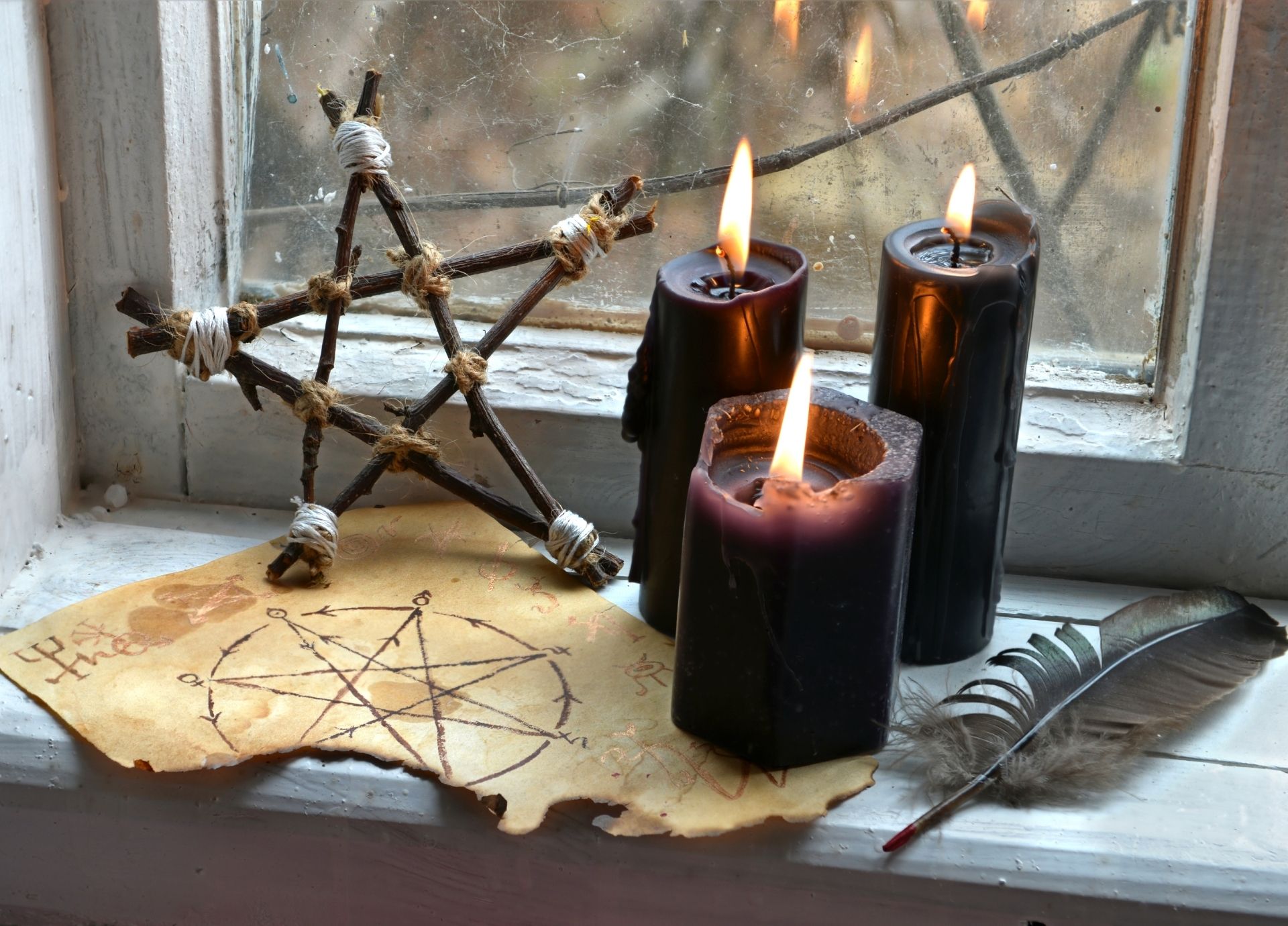
What is Wicca? Understanding the Religion of Nature and Magick
Wicca is not about darkness or illusion, but reverence — a nature-based religion that honors cycles, spirits, and the sacred dance of Goddess and God.
The Roots of Wicca
Wicca is both ancient and modern. The word itself comes from Old English, meaning “witch,” yet Wicca as we know it emerged in the 20th century through revivalists like Gerald Gardner. Drawing on ancient pagan traditions, ceremonial magick, and folk practices, Wicca has grown into one of the fastest-expanding nature-based religions in the world.
Unlike stereotypes of witches as sinister figures, Wiccans honor life, love, and balance. Their path is one of reverence for nature and responsibility for energy.
From Egypt to Modern Witches: A Brief History of Western Magick
Core Beliefs of Wicca
Wicca is built around a few key principles:
- Nature is Sacred. The earth, elements, plants, and animals are not resources to exploit but living beings infused with spirit.
- The Goddess and God. Wiccans honor both divine feminine and masculine, often through archetypes such as the Triple Goddess and Horned God.
- The Wheel of the Year. Seasonal festivals — Sabbats — mark the turning of solstices, equinoxes, and harvests.
- Magick as Prayer. Spells are sacred rituals, not tricks. They are ways to commune with divine energy and co-create outcomes.
- Ethics of Harm None. Wiccans follow the Rede: “An it harm none, do what ye will.” This principle underpins Wiccan ethics of free will, alignment, and responsibility.
Wicca vs. Witchcraft
Not all witches are Wiccans. Witchcraft is a practice — spellcraft, divination, ritual — while Wicca is a religion.
Think of it this way: all Wiccans practice witchcraft, but not all witches identify as Wiccan.
For example:
- A kitchen witch may honor ancestral herbs but not worship deities.
- A Wiccan high priestess will weave ritual around the Goddess, God, and seasonal Sabbats.
Both are valid — one is religion, the other is craft.
The Wiccan Wheel of the Year
The year is divided into eight Sabbats, each honoring a seasonal shift.
- Samhain: The witch’s new year, honoring ancestors (October 31).
- Yule: Winter solstice, rebirth of the Sun (December 21).
- Imbolc: Festival of purification and inspiration (February 1–2).
- Ostara: Spring equinox, fertility and balance (March 21).
- Beltane: Fire festival of passion and union (May 1).
- Litha: Summer solstice, peak of the Sun’s power (June 21).
- Lammas/Lughnasadh: First harvest, gratitude and abundance (August 1).
- Mabon: Autumn equinox, balance and release (September 21).
Each Sabbat is an invitation to align your rituals with the rhythms of nature.
Wiccan Rituals and Spells
For Wiccans, spells are prayers woven with intention, ritual, and symbolism. These may include:
- Circle Casting: Creating sacred space.
- Elemental Invocations: Calling Earth, Air, Fire, Water, Spirit.
- Offerings: Herbs, flowers, wine, or bread.
- Divination: Tarot, runes, or pendulum to seek guidance.
- Seasonal Rites: Fire festivals, moon rituals, ancestor ceremonies.
All spells and rituals follow the Rede — never to harm or coerce, but to heal, protect, and align with the sacred.
Journaling Prompt
Reflect on your connection to nature. Which season or Sabbat feels most alive to you? How might you honor that energy in ritual or daily practice?
Magick vs. Magic: The Sacred Difference Every Witch Should Know
Closing
Wicca is not about spells to control, but rituals to connect. It is a way of life that honors the cycles of nature, the presence of divinity in all things, and the responsibility we hold as creators of Magick.
✨ The invitation of Wicca is simple yet profound: live in harmony with the earth, and your Magick will flow.
Post a Comment