


From Egypt to Modern Witches: A Brief History of Western Magick
Magick is not a trend — it is a lineage. From temple rites in Egypt to the resurgence of modern witches, this is the story of spellcraft through time.
Ancient Roots of Magick
Magick has always existed — in rituals, symbols, and the shaping of energy. Early civilizations integrated it into religion, medicine, and daily life.
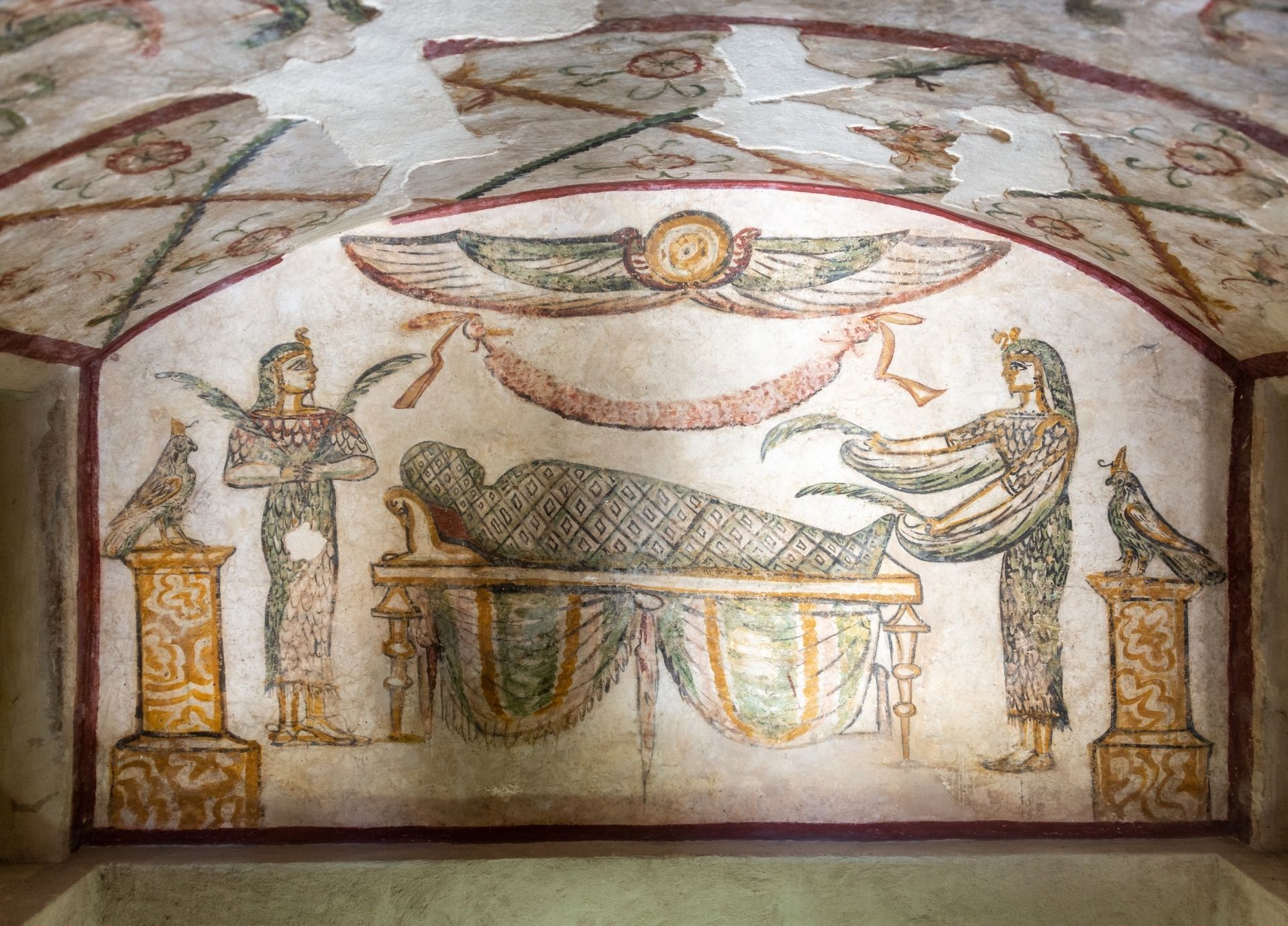
- Egypt: Priests and priestesses wove Magick through hieroglyphs, amulets, and ritual ceremonies. Deities like Isis and Thoth presided over healing and wisdom.
- Chaldea & Babylon: Astrology, divination, and spellcraft flourished, forming the backbone of much of Western esoteric tradition.
- Eastern Traditions: In parallel, India, China, and Tibet developed their own Magickal systems — mantra, mudra, energy medicine, visualization.
Magick was not “alternative” in these cultures — it was integral.
What is Wicca? Understanding the Religion of Nature and Magick
Suppression and Survival
With the rise of monotheistic religions, many forms of Magick were branded heresy. Temples closed, practices outlawed, witches hunted.
In Europe, witch trials sought to stamp out folk Magick, even as local healers and cunning folk quietly preserved herbal remedies, charms, and divination.
Magick went underground — hidden in secret societies, cloaked in alchemy, or woven quietly into folk practices.
The Medieval Mystics and Alchemists
During the Middle Ages, Magickal knowledge resurfaced through:
- Alchemy: Transformation of base metals mirrored the transformation of spirit.
- Kabbalah: Jewish mysticism linked language, numbers, and divine creation.
- Grimoires: Handwritten books of spells, symbols, and correspondences circulated among initiates.
Magick survived not as open practice, but as encoded wisdom.
The 19th–20th Century Revival
By the late 1800s and early 1900s, Western culture grew more open to occult study. Secret orders like the Hermetic Order of the Golden Dawn explored ritual Magick, tarot, and astrology.
Occultists such as Aleister Crowley popularized the “Magick with a K” distinction, reclaiming it as sacred art rather than stage trick.
This era sparked a renaissance — witches and mystics stepping out of secrecy into community once again.
Modern Witchcraft and Wicca
In the 20th century, Gerald Gardner and others birthed Wicca, blending ancient pagan traditions with ceremonial Magick. From there, the witchcraft movement expanded — feminist spirituality, eco-paganism, eclectic witchcraft, and today’s digital covens.
Now, witches openly share spellwork online, celebrate Sabbats in public rituals, and create entire communities around ancestral and cosmic wisdom.
Why History Matters for Witches Today
Knowing the history of Magick roots you in lineage. It reminds us:
- We are not inventing this path — we are remembering it.
- Every spell cast is part of an unbroken thread.
- The suppression of Magick makes its modern revival even more powerful.
✨ Witch’s Wisdom: “The flame of Magick has never gone out — it only changes hands.”
Journaling Prompt
Reflect: How do you feel connected to witches of the past? Write about one ancestral or historical current that resonates with your practice.
Knot Magick: The Ancient Art of Binding and Releasing Energy
Closing
From Egypt’s temples to today’s kitchen altars, Magick is a current that flows through time. It has been hidden, hunted, and reborn — yet it always survives.
✨ The question is: How will you carry this lineage forward?
Post a Comment