


The History and Legends of Palmistry: From India to Modern Mystics
Palmistry is one of the world’s oldest forms of divination, a mystical thread woven through cultures from ancient temples to modern mystics.
Origins in Ancient India
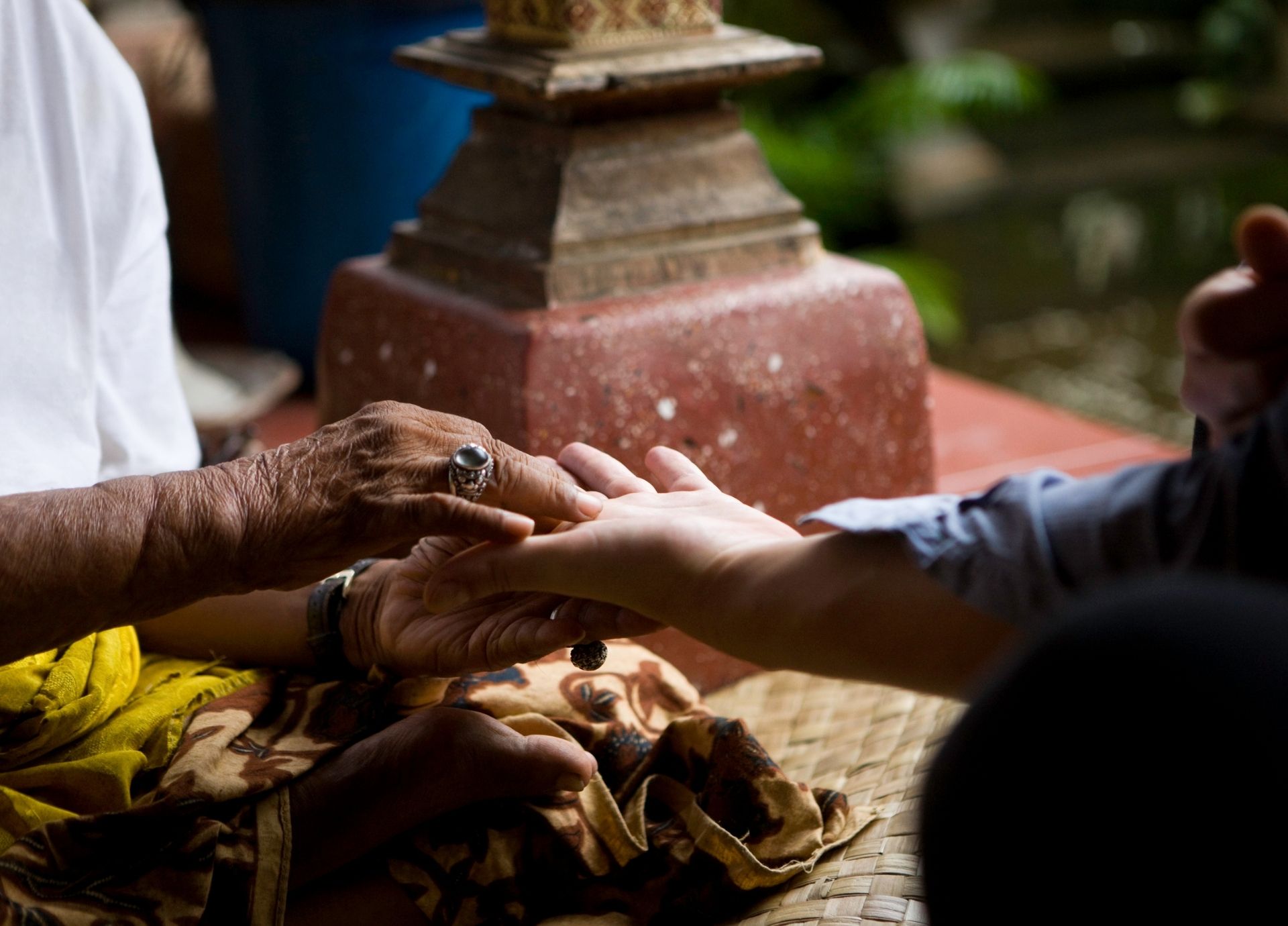
The earliest records of palmistry trace back to India, where it was practiced by the Brahmins and linked to astrology. Known as hasta samudrika shastra (the ocean of signs of the hand), palmistry was considered a sacred science of destiny.
From India, palmistry spread east into China and Tibet, and west into Persia, Mesopotamia, and Egypt. Each culture shaped it through their own spiritual lens, but the belief remained the same: the hand is a map of fate.
Palmistry for Self-Discovery: How Your Hands Reveal Hidden Gifts
Palmistry in the Ancient World
- China & Tibet: Integrated hand-reading with astrology and medicine.
- Egypt: Priests read palms as part of temple initiation.
- Greece: Aristotle wrote about the hand as a divine tool, linking palmistry with philosophy.
- Rome: Soldiers and oracles used palmistry for character reading and strategy.
The Revival in Europe
During the Middle Ages, palmistry was both suppressed and secretly preserved. The rise of Christianity labeled it as superstition, but mystics and alchemists kept its teachings alive.
In Renaissance Europe, palmistry flourished again, blending with astrology, Kabbalah, and Hermetic philosophy. It became a tool not only of divination but of self-knowledge.
Cheiro: The Modern Master
In modern times, the most famous palmist was Cheiro (William John Warner), born in Ireland. He read the hands of kings, queens, and celebrities, and made shockingly accurate predictions — including the Boer War, Queen Victoria’s death, and the outbreak of World War I.
Cheiro’s books revived interest in palmistry in the West and are still considered classics today.
Palmistry Today
Palmistry remains popular in India, woven into everyday life. Across the globe, seekers turn to hand-reading not only for predictions but for personal insight and empowerment.
In a world of uncertainty, palmistry offers something timeless: the reassurance that your hands carry wisdom, and your life is not without guidance.
✨ Witch’s Wisdom: “The hand is the oldest book of divination — and it is written in your own flesh.”
Journaling Prompt
Reflect: how does it feel to know that palmistry has been practiced for thousands of years? Do you see yourself as part of this ancient lineage of seekers?
Closing
Palmistry’s history is a story of resilience — carried from temples, through suppression, into the hands of modern mystics. Your palms connect you to this lineage, reminding you that the wisdom of the ancients still lives in your hands today.
✨ The invitation: honor your palms not as superstition, but as sacred maps of destiny.
Post a Comment