
![Mercury: The Mind & Messenger — Communication, Curiosity & Quick Thinking [Astrology Planet Guide]](https://test.houseofwitchcraft.co/wp-content/uploads/2025/08/astrology-mercury-planet-guide-mind-messenger-150x150.jpg)




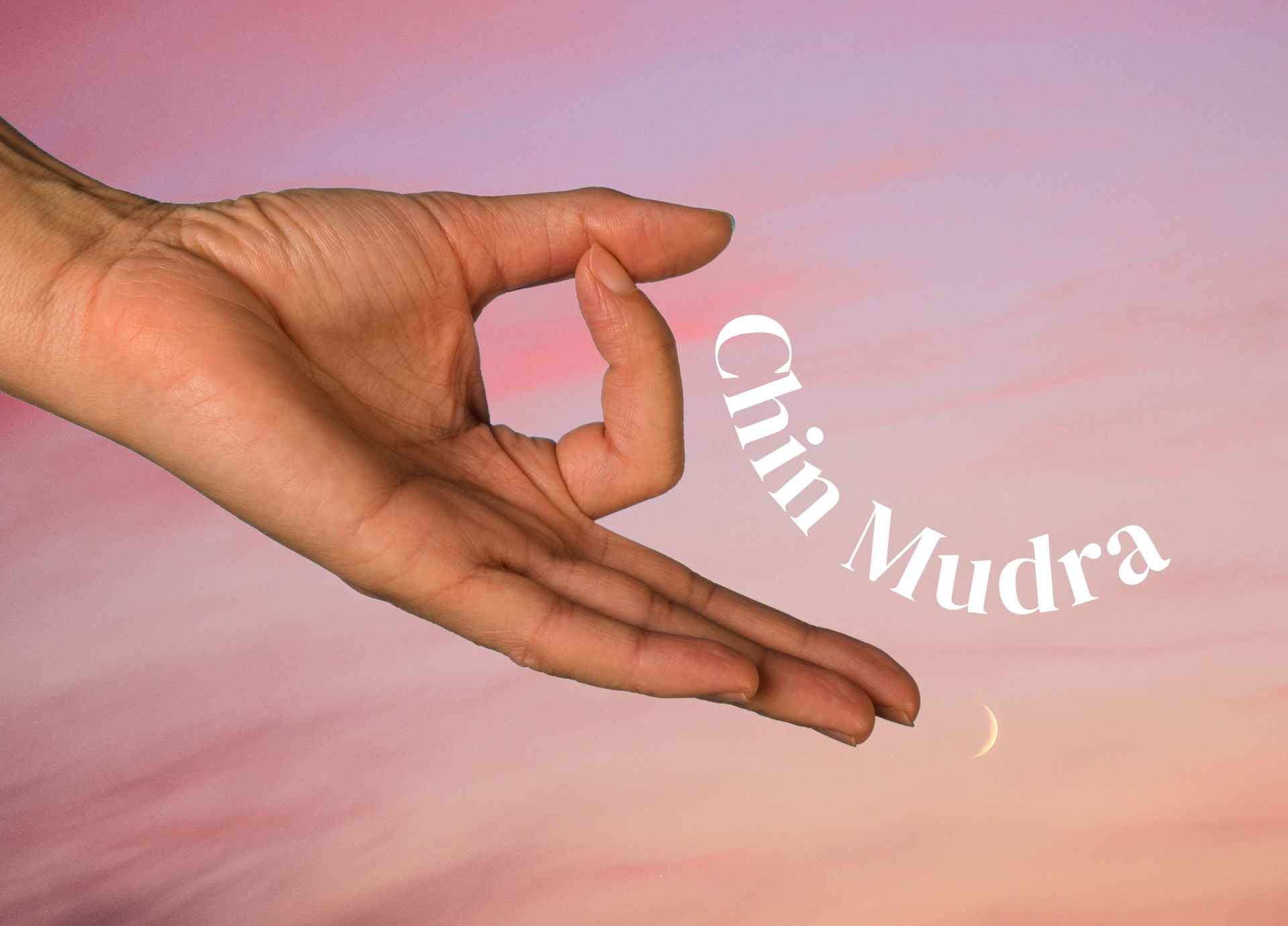
Chin Mudra in Yoga: Grounding Awareness Through Gesture
Chin Mudra in yoga is a foundational hand gesture commonly used during seated meditation and pranayama. Though visually similar to Gyan Mudra, its orientation creates a slightly different energetic emphasis. When practiced with steady posture and breath awareness, Chin Mudra supports grounding, concentration, and nervous system balance.
Subtle shifts in hand placement can influence internal focus.
What Is Chin Mudra in Yoga
Chin Mudra is formed by:
- Touching the tip of the thumb
- To the tip of the index finger
- Extending the remaining three fingers
- Resting hands on the thighs
The key distinction is palm placement.
In Chin Mudra:
- Palms face downward
This downward orientation emphasizes grounding and stability.
Meditation in Yoga: A Complete Guide to Practice and Progression
Chin Mudra Versus Gyan Mudra
Both gestures use the same finger connection.
The difference lies in intention and orientation:
Chin Mudra
Palms facing down
Grounding and stabilizing effect
Gyan Mudra
Palms facing up
Openness and receptivity
In practice, the nervous system responds more to breath and posture, but intention shapes internal focus.
Symbolic Meaning
Traditionally:
- Thumb represents universal consciousness
- Index finger represents individual awareness
- Their connection symbolizes unity
The remaining three fingers may represent the three qualities of nature, or gunas: Sattva, Rajas, and Tamas.
While symbolic meaning adds context, the primary effect comes through steady attention.
How to Practice Chin Mudra in Yoga
- Sit comfortably in Sukhasana or on a chair.
- Form the mudra with both hands.
- Place palms facing downward on thighs.
- Lengthen the spine.
- Close eyes gently.
- Breathe naturally or practice Nadi Shodhana.
Remain for 5 to 20 minutes.
When to Use Chin Mudra
Chin Mudra is particularly useful when:
- Feeling anxious or scattered
- Beginning meditation
- Practicing grounding pranayama
- Transitioning from active asana to seated practice
- Needing stability after emotional intensity
The downward orientation reinforces containment.
Nervous System Considerations
When combined with slow breathing, Chin Mudra may support:
- Reduced restlessness
- Improved concentration
- Physical awareness
- Parasympathetic activation
The mudra itself is subtle. The breath remains central.
Prenatal and Postpartum Considerations
Chin Mudra is safe and accessible during all stages.
Prenatal:
- Practice seated comfortably
- Avoid rigid posture
Postpartum:
- Short sessions are effective
- Combine with grounding breath practices
It offers stability without physical strain.
Common Mistakes
- Tension in the hands
- Pressing fingers too firmly
- Slouching posture
- Expecting dramatic sensation
The gesture should feel relaxed and sustainable.
From Personal Experience
Chin Mudra often feels especially helpful during grounding meditation. The simple act of turning palms downward creates a subtle shift toward steadiness and containment. Its simplicity makes it easy to integrate into daily practice.
Intention (Sankalpa)
I ground my awareness with steady and balanced attention.
Closing
Chin Mudra in yoga offers a subtle yet effective way to support grounding and concentration. By combining this hand gesture with steady breath and upright posture, meditation becomes more stable and contained. Let this simple practice reinforce steadiness within your yoga journey.
Post a Comment