





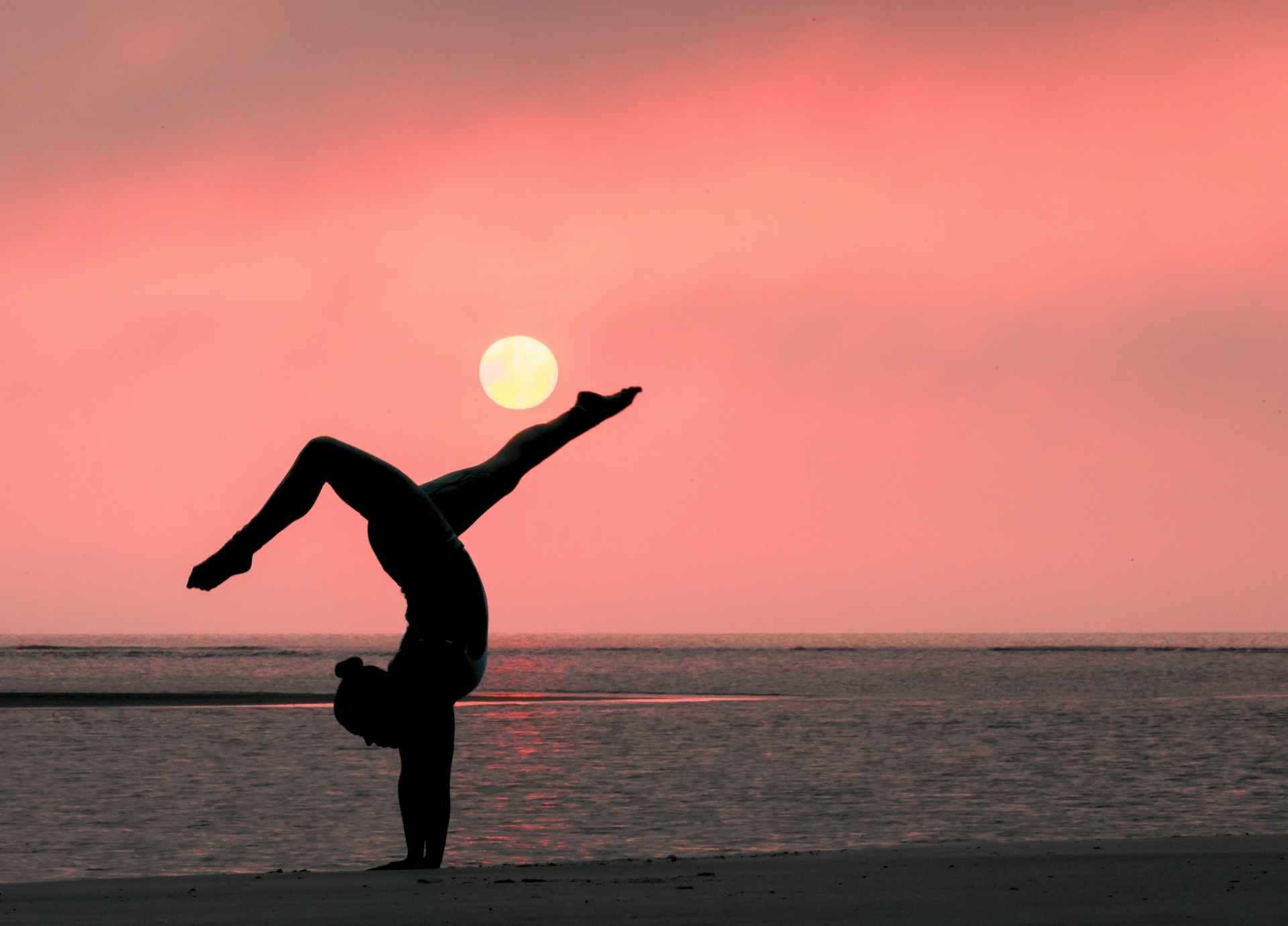
Mastering Balancing Poses in Yoga: Alignment, Strength, and Stability
Balancing poses in yoga build strength, focus, and neuromuscular coordination. While wobbling is common and completely normal, true stability develops through proper alignment, intelligent muscle engagement, and steady breath. When practiced with awareness, balancing poses improve posture, joint protection, and mental clarity.
Balance is not about being perfectly still. It is about controlled responsiveness.
Why Balance Matters in Yoga
Balancing poses strengthen:
- Gluteus medius and minimus
- Deep core stabilizers
- Ankle stabilizers
- Foot intrinsic muscles
- Spinal stabilizers
They also improve:
- Proprioception
- Coordination
- Focus
- Nervous system regulation
Balance is a whole body effort.
Asana in Yoga: A Complete Guide to Structure, Purpose, and Progression
The Biomechanics of Balance
Balance relies on three key systems:
1. Foot Foundation
The foot must distribute weight evenly across:
- Base of big toe
- Base of little toe
- Center of heel
Collapsing into one edge creates instability.
2. Hip Stability
Gluteus medius prevents the standing hip from dropping outward.
Weak hips are the most common cause of wobbling.
3. Core Integration
Deep abdominal engagement prevents the pelvis from shifting excessively.
Balance begins from the ground up.
Common Balancing Poses in Yoga
Tree Pose (Vrikshasana)
- Press foot firmly into standing leg
- Engage outer hip of standing side
- Lift through crown of head
- Keep gaze steady
Avoid collapsing into the hip.
Warrior III (Virabhadrasana III)
- Hinge from hips
- Keep pelvis level
- Engage glutes and hamstrings
- Reach forward without rounding
The standing leg does most of the work.
Half Moon Pose (Ardha Chandrasana)
- Stack shoulders and hips
- Press firmly through standing foot
- Use block under hand if needed
- Activate lifted leg strongly
This pose challenges lateral stability.
Eagle Pose (Garudasana)
- Sit hips back slightly
- Wrap legs without twisting knee
- Engage core
- Keep spine tall
Eagle builds ankle and hip stability.
Why We Wobble
Wobbling can happen due to:
- Weak glutes
- Tight hip flexors
- Collapsed arches
- Holding the breath
- Looking around
- Mental distraction
Wobbling is feedback, not failure.
How to Improve Balance in Yoga
1. Strengthen Outer Hips
Side leg lifts and supported standing poses build stability.
2. Focus on Drishti
A steady gaze point reduces sensory distraction.
3. Slow the Breath
Longer exhalations calm the nervous system.
4. Use Props
Place a block under the hand in Half Moon.
Practice near a wall for security.
5. Activate the Standing Leg
Lift kneecap gently without locking the knee.
Progress is built gradually.
Nervous System and Balance
Balance poses require concentration.
They stimulate focus and encourage mental presence.
When breath becomes steady, the body stabilizes more easily.
Rushing increases instability.
Prenatal and Postpartum Considerations
Prenatal:
- Use wall support
- Avoid unstable surfaces
- Keep movements slow
- Avoid deep twisting in balances
Postpartum:
- Rebuild core and pelvic floor stability first
- Practice near wall
- Avoid dynamic transitions early on
Safety must precede challenge.
Emotional Layer of Balancing Poses
Balancing poses can increase confidence when practiced steadily.
They teach patience and controlled response rather than rigidity.
Learning to wobble without frustration builds resilience.
From Personal Experience
Balance improves not by forcing stillness, but by strengthening foundational stability. When the feet ground, hips engage, and breath steadies, wobbling decreases naturally. Awareness is more important than perfection.
Intention (Sankalpa)
I cultivate steady balance with strength and calm awareness.
Beginner’s Guide to Balancing Poses: From Wobble to Stability
Closing
Balancing poses in yoga develop strength, coordination, and focus. Through proper alignment, glute activation, and steady breath, stability becomes more accessible. Let wobbling be part of the learning process, guiding you toward greater awareness and control.
Post a Comment