



What Makes a Ritual Feel Meaningful?
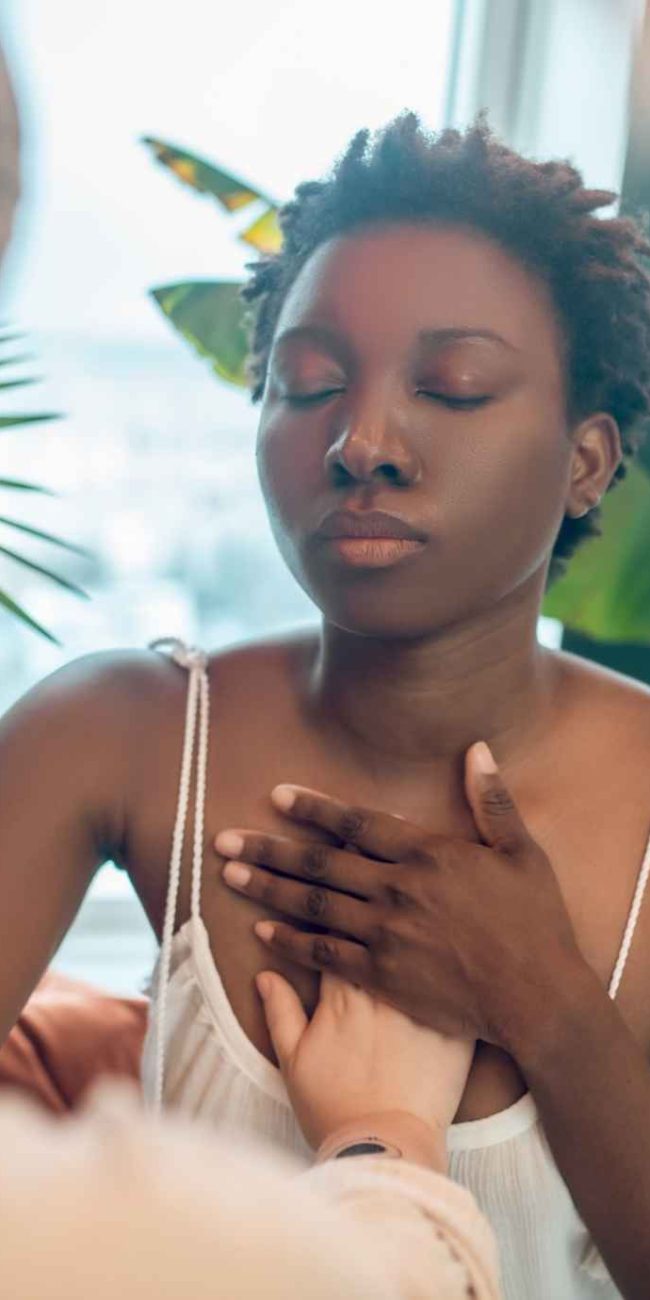
A ritual becomes meaningful the moment it makes you feel fully present within your own life again.
Not distracted.
Not rushing.
Not surviving mechanically through the day.
Present.
There is a reason humans across cultures, centuries, and spiritual traditions have always created rituals around:
- grief
- love
- transitions
- seasons
- birth
- death
- healing
- reflection
- rest
- devotion
Ritual changes emotional experience.
Not because the objects themselves hold magic independently, but because ritual transforms ordinary moments into intentional experiences of awareness, emotion, and embodiment.
At House of Witchcraft, ritual is viewed as emotional architecture. A way of shaping atmosphere, nervous system state, emotional meaning, and spiritual connection through sensory intention and presence.
A ritual becomes meaningful when the body believes it matters.
Ritual Is Older Than Logic
Long before modern productivity culture, humans understood the emotional power of ritual instinctively.
Candles.
Smoke.
Herbs.
Water.
Music.
Prayer.
Silence.
Movement.
These sensory experiences helped people process:
- grief
- transformation
- fear
- hope
- love
- emotional transition
Ritual gave emotion somewhere to move.
Aromatic rituals have long been associated with sacred ceremony, emotional healing, spiritual reflection, and nervous system restoration throughout history.
This is why ritual still affects people so deeply today.
The nervous system remembers symbolism emotionally.
Meaning Comes From Presence
A ritual is not meaningful because it looks beautiful externally.
It becomes meaningful because of:
- emotional presence
- intention
- sensory awareness
- nervous system connection
- repetition
- symbolism
- embodiment
Two people can light the same candle for completely different reasons.
One performs an action mechanically.
The other creates emotional presence around it.
The second becomes ritual.
The witch understands that ritual begins the moment awareness deepens.
Why the Nervous System Responds to Ritual
The nervous system craves:
- rhythm
- safety
- repetition
- sensory grounding
- emotional consistency
Ritual naturally provides these things.
This is why certain practices feel emotionally regulating:
- tea rituals
- candle lighting
- meditation
- baths
- scent rituals
- journaling
- prayer
- slow evening routines
The body begins recognising repeated sensory experiences emotionally.
Over time, ritual itself becomes nervous system medicine.
The nervous system learns:
This is the moment we soften.
This is the moment we slow down.
This is the moment we return inward.
Atmosphere Creates Emotional Meaning
Atmosphere shapes emotional experience profoundly.
The lighting in a room.
The scent in the air.
The music.
The textures.
The pacing.
All of it affects how the body experiences a ritual emotionally.
This is why meaningful rituals often include:
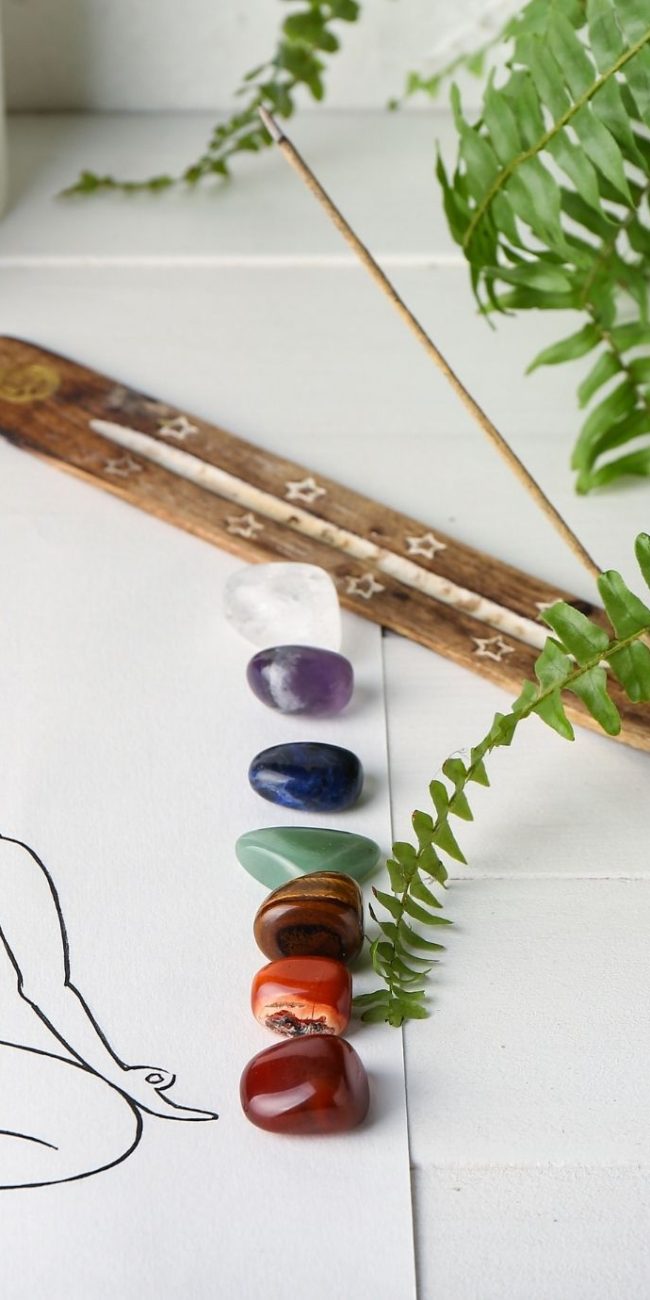
- candlelight
- essential oils
- warm lighting
- grounding textures
- silence
- intentional movement
- symbolic objects
The body responds to sensory symbolism instinctively.
Atmosphere tells the nervous system:
This moment matters.
Essential Oils & Ritual Meaning
Scent deepens emotional memory powerfully.
Your Essential Oils Bible connects:
- Lavender with emotional softness and nervous system calm
- Frankincense with sacred reflection and grounding
- Rose with emotional openness and heart centred rituals
- Cedarwood with grounding and emotional steadiness
Over time, these scents become emotionally associated with:
- calm
- reflection
- softness
- sacredness
- emotional safety
This is why aromatic rituals feel so transformative.
Scent creates emotional memory through repetition.
From the Apothecary
Source pure, ethically distilled essential oils for your practice. These are affiliate links — if you purchase through them, House of Witchcraft may earn a small commission at no extra cost to you.
| Oil | Best For | Shop |
|---|---|---|
| Bergamot | Uplifting & emotional balance | Shop → |
| Cedarwood | Grounding & emotional steadiness | Shop → |
| Cinnamon | Warmth & manifestation | Shop → |
| Eucalyptus | Clearing & refreshing | Shop → |
| Frankincense | Meditation & grounding | Shop → |
| Lavender | Calm, sleep & soothing ritual | Shop → |
| Lemon | Uplifting, cleansing & energy | Shop → |
| Patchouli | Grounding & earthy atmosphere | Shop → |
| Peppermint | Energy, focus & clarity | Shop → |
| Roman Chamomile | Calm, comfort & rest | Shop → |
| Rosemary | Focus, memory & clarity | Shop → |
| Sandalwood | Meditation & sacred ritual | Shop → |
| Sweet Orange | Uplifting & comforting | Shop → |
| Vetiver | Deep grounding & stillness | Shop → |
Ritual vs Performance
Modern culture often turns ritual into aesthetic performance.
Perfect altars.
Perfect routines.
Perfect spirituality.
Yet meaningful ritual has never depended on perfection.
A meaningful ritual may simply be:
- lighting one candle intentionally
- breathing slowly before sleep
- preparing tea with presence
- sitting quietly beside rain
- diffusing lavender during grief
- journaling honestly for ten minutes
The ritual becomes sacred because attention transforms it.
Not because it appears impressive externally.
Symbolism & Emotional Depth
Humans are symbolic beings emotionally.
Certain actions feel meaningful because they represent something deeper internally.
For example:
- washing the body may symbolise release
- lighting candles may symbolise hope
- opening windows may symbolise energetic clearing
- scenting a room may symbolise emotional transition
The witch understands that ritual works through emotional symbolism as much as physical action.
Meaning lives beneath the surface.
Ritual Creates Emotional Containers
Ritual becomes especially important during:
- grief
- heartbreak
- transition
- burnout
- healing
- emotional overwhelm
Because ritual creates emotional structure when life feels emotionally chaotic.
It gives:
- emotion somewhere to move
- the nervous system a sense of safety
- the body grounding through repetition
- the spirit a feeling of connection
This is why people instinctively seek ritual during difficult seasons.
The body longs for meaning during emotional transformation.
Creating More Meaningful Rituals
Meaningful rituals do not require complexity.
They require emotional honesty.
Step 1: Slow Down
Ritual begins when urgency ends.
Move slower.
Breathe slower.
Notice more.
The nervous system cannot fully experience ritual while emotionally rushing.
Step 2: Engage the Senses
Meaning deepens through sensory awareness.
You may wish to include:
- candlelight
- scent
- music
- silence
- grounding textures
- tea
- flowers
- smoke
- baths
The body experiences ritual through sensation.
Step 3: Add Emotional Intention
Ask yourself:
- What emotional state am I creating?
- What do I need emotionally right now?
- What am I honouring through this ritual?
Intention transforms routine into ritual.
Step 4: Repeat Gently
The nervous system learns through repetition.
Over time, rituals become emotionally embodied experiences rather than conscious effort.
A Ritual for Presence & Meaning
You will need:
- Frankincense essential oil
- Candlelight
- Journal or tea
- Quiet atmosphere
Diffuse:
- 3 drops Frankincense
- 2 drops Lavender
Sit quietly before beginning anything.
Focus on:
- your breathing
- the atmosphere around you
- the scent in the air
- the slowing of the nervous system
Ask yourself:
- What does my spirit need today?
- What would intentional presence feel like right now?
- What rituals make me feel most connected to myself?
Allow the experience to remain simple.
Meaning lives within presence.
Personal Insight
There are moments where ritual becomes meaningful simply because it interrupts emotional numbness.
A candle lit slowly.
A quieter room.
A scent that reminds the nervous system how to soften again.
These moments seem small.
Yet they reconnect people with:
- themselves
- their emotions
- their bodies
- their spirit
- the present moment
And often, that reconnection changes everything quietly.
Affirmation
“I create rituals that nourish my nervous system, emotions, and spirit.
I honour presence, softness, and intentional living.
Meaning unfolds when I fully arrive within my own experience.”
Closing
A ritual becomes meaningful when it creates emotional presence.
Through atmosphere, scent, symbolism, repetition, and sensory awareness, rituals help the nervous system reconnect with grounding, softness, reflection, and emotional truth.
And often, the most sacred rituals are not the most elaborate.
They are simply the moments where the body finally feels fully present within itself again.
Post a Comment