





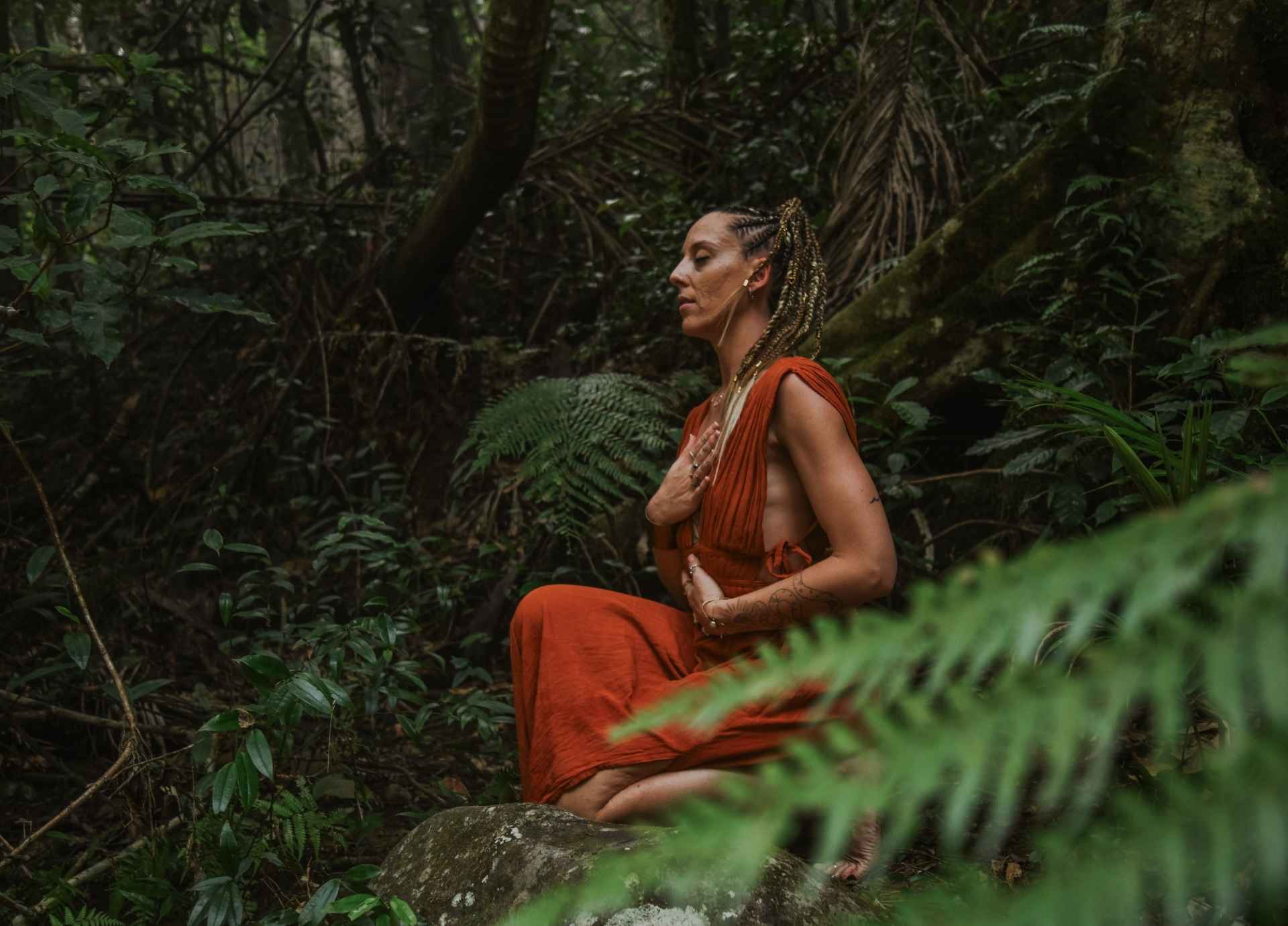
Pranayama in Yoga: A Complete Guide to Breath Regulation
Pranayama in yoga refers to the conscious regulation of breath to influence energy, focus, and nervous system balance. More than simple breathing exercises, pranayama techniques create measurable physiological shifts. When practiced consistently and safely, breath regulation supports emotional stability, cognitive clarity, and long term resilience.
Breath is the bridge between body and mind.
What Is Pranayama in Yoga
The word Pranayama combines:
Prana
Vital energy or life force
Ayama
Expansion or regulation
Pranayama is not merely inhaling and exhaling. It involves structured breath patterns designed to influence internal balance.
In classical yoga, pranayama follows Asana and prepares the mind for meditation.
Asana in Yoga: A Complete Guide to Structure, Purpose, and Progression
The Physiology of Breath Regulation
Breathing influences:
- Heart rate
- Blood pressure
- Carbon dioxide levels
- Vagal tone
- Muscle tension
- Emotional response
Slow diaphragmatic breathing increases parasympathetic activation.
Rapid breathing temporarily stimulates sympathetic activation.
Controlled breath alters nervous system state intentionally.
Foundational Pranayama Techniques
Dirgha Pranayama
Three part breathing expanding abdomen, ribs, and chest.
Benefits:
- Improves diaphragmatic function
- Reduces shallow breathing
- Supports relaxation
Nadi Shodhana
Alternate nostril breathing.
Benefits:
- Balances mental activity
- Stabilizes rhythm
- Reduces agitation
Ujjayi Pranayama
Gentle throat constriction with slow nasal breath.
Benefits:
- Builds focus
- Regulates pacing in asana
- Encourages steady rhythm
Bhramari
Humming exhalation.
Benefits:
- Supports vagal stimulation
- Reduces mental noise
- Encourages calm
Kapalabhati
Forceful exhalations with passive inhalations.
Benefits:
- Increases alertness
- Stimulates energy
- Clears stagnation
Should be practiced cautiously and not during acute anxiety.
Sheetali and Sheetkari
Cooling inhalation through tongue or teeth.
Benefits:
- Reduces internal heat
- Calms irritability
- Balances Pitta tendencies
Avoid in cold climates.
The Role of Breath Ratios
Structured ratios refine control.
Examples:
Equal ratio
Inhale 4, exhale 4
Extended exhale
Inhale 4, exhale 6
Box breathing
Inhale 4, hold 4, exhale 4, hold 4
Breath retention increases intensity and should be introduced gradually.
Pranayama and the Vagus Nerve
Slow breathing may improve vagal tone.
Signs of improved regulation:
- Lower resting heart rate
- Faster recovery from stress
- Stable emotional response
- Improved digestion
Breath consistency builds adaptation over time.
When to Practice Pranayama
Morning:
- Energizing techniques for Kapha
- Gentle activation
Midday:
- Balanced ratios
Evening:
- Extended exhale breathing
- Nadi Shodhana
- Bhramari
Timing influences effect.
Common Mistakes in Pranayama Practice
- Forcing breath retention
- Practicing intensely without preparation
- Combining too many techniques
- Ignoring dizziness
- Over stimulating when anxious
Breath should feel controlled and sustainable.
Contraindications
Avoid strong pranayama if you have:
- High blood pressure
- Cardiovascular disease
- Respiratory disorders
- Pregnancy during retention phases
- Panic disorder without guidance
Always prioritize comfort and safety.
Prenatal and Postpartum Considerations
Prenatal:
- Focus on gentle diaphragmatic breathing
- Avoid retention
- Avoid forceful exhalations
Postpartum:
- Rebuild diaphragmatic awareness gradually
- Avoid intense abdominal contraction early
- Keep sessions short and steady
Stability remains essential.
Building a Sustainable Pranayama Routine
Begin with:
5 minutes Dirgha Pranayama
3 to 5 minutes Nadi Shodhana
Optional short meditation
Practice daily rather than intensely.
Consistency strengthens neural pathways.
The Philosophical Context
Pranayama prepares the mind for concentration.
Breath regulation reduces distraction and supports Dharana and Dhyana.
In classical yoga, breath is not separate from meditation. It is preparation for it.
From Personal Experience
Gentle, daily breath regulation often produces greater long term stability than occasional intense sessions. Subtle improvements in calmness and focus become noticeable over time.
Intention (Sankalpa)
I regulate my breath with steadiness and awareness.
Closing
Pranayama in yoga offers a direct and measurable way to influence nervous system balance and mental clarity. Through structured breath regulation practiced consistently and safely, resilience develops gradually. Let breath become a disciplined and stabilizing component of your yoga practice.
Post a Comment