




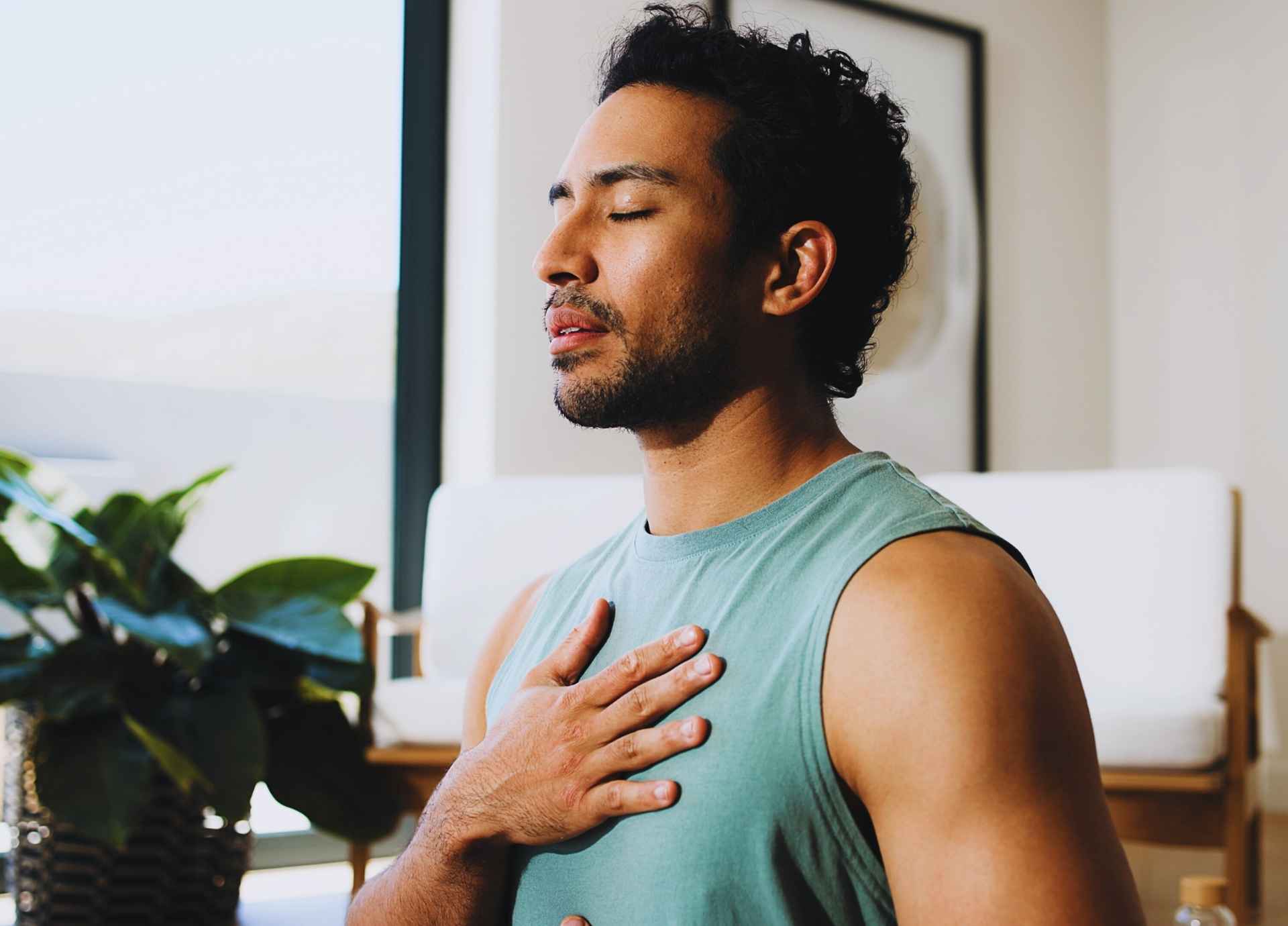
The Science of Breath and How It Regulates Anxiety
The breath is your most ancient companion, a quiet bridge between body and spirit. When anxiety rises, the breath becomes shallow and scattered, but with conscious attention, it can guide you back into steadiness. Through gentle breathwork and pranayama, the mind softens, the heart eases, and the body remembers how to feel safe again.
What Is Breathwork and Why Does It Influence Anxiety?
Breathwork refers to intentional breathing practices that regulate physical, emotional, and energetic states. In yogic tradition, this is known as pranayama, the practice of directing life force through controlled breath.
Anxiety is closely tied to the nervous system. When your breath becomes rapid or shallow, the brain interprets it as a signal of danger. Slow, intentional breathing sends the opposite message, shifting the body from stress response into calm awareness.
This is why breathwork is one of the most immediate tools for anxiety relief. It directly influences physiology, and through the body, it reshapes the mind.
Yoga for Anxiety: A Complete Guide to Regulation and Stability
Core Meaning and Essence
Breathwork supports anxiety regulation by:
- Slowing the heart rate
- Interrupting spiraling thoughts
- Activating the parasympathetic nervous system
- Reducing muscle tension
- Improving oxygen and carbon dioxide balance
- Bringing awareness back into the present moment
From a spiritual and witchcraft perspective, breath is energy. It clears stagnant emotions, opens intuitive pathways, and reconnects you with inner wisdom.
Key Aspects and Symbolism
- Element: Air
- Energy Quality: Clarity, flow, expansion
- Archetype: The Messenger
- Shadow expressions: Overthinking, fear, mental chaos
- Balanced expressions: Calm thought, openness, sharp intuition
In yoga, breath is the foundation of all movement. In witchcraft, the breath is considered a carrier of intent, cleansing and empowering ritual work.
Signs You May Need Breath Regulation
Your body may signal the need for breathwork when you notice:
- Shallow chest breathing
- Tightness in the jaw, chest, or diaphragm
- Racing thoughts
- Difficulty focusing
- Sleep disruptions
- Feeling frozen, restless, or overstimulated
Energetically, you may experience:
- Difficulty grounding
- Frequent mental spirals
- A sense of being “above” your body
- Disconnection from intuition
These signs indicate that the nervous system is seeking stability, and the breath is the most accessible entry point.
Practical Connection
Breathwork for Anxiety Relief
These practices are safe for most students, including beginners:
Extended Exhale Breathing
Inhale for four counts, exhale for six or eight.
This lengthens vagal tone and reduces anxiety quickly.
Dirga Pranayama (Three-part breath)
Breathe into the belly, ribs, and chest in one slow wave.
This anchors awareness into the body.
Sighing Breath
Inhale through the nose, exhale through the mouth with a soft sigh.
Releases upper body tension and emotional pressure.
Anxiety Soothing Yoga Ritual (8 minutes)
- Sit comfortably with your spine supported.
- Practice extended exhales for one minute.
- Move gently through seated side bends and a forward fold.
- Close with three rounds of Dirga Pranayama.
Journal Prompts
- What sensations do I notice when anxiety begins?
- How does my breath change when I feel stressed?
- What helps me return to my body?
Energy Ritual
- Sit quietly with a candle.
- With each inhale, imagine drawing in clarity.
- With each exhale, imagine releasing tension from the mind.
Herbs, Crystals, and Colors
- Herbs: lavender, lemon balm, tulsi
- Crystals: blue lace agate, amethyst, fluorite
- Colors: pale blue, white, silver
Prenatal and Baby Yoga Note
Breathwork for anxiety should remain gentle and without breath retention in pregnancy. Safe options include belly breathing, extended exhales, and slow rhythmic patterns. Avoid sharp, forceful breathing techniques.
From Personal Experience
Learning to anchor the mind through breath brings a sense of inner steadiness that no external solution can create. Over time, breathwork becomes a reliable companion, guiding you through moments of overwhelm into a space of clarity and calm.
Affirmation
My breath guides me back to peace.
Closing
The breath is a doorway into presence. When you learn to guide it with intention, anxiety begins to loosen its grip. Through slow inhalations and steady exhalations, you return to yourself, grounded, centered, and clear. Breathwork is not only a practice. It is a pathway home.
If this one aligns perfectly, I will continue to Article 4 next.
Post a Comment