





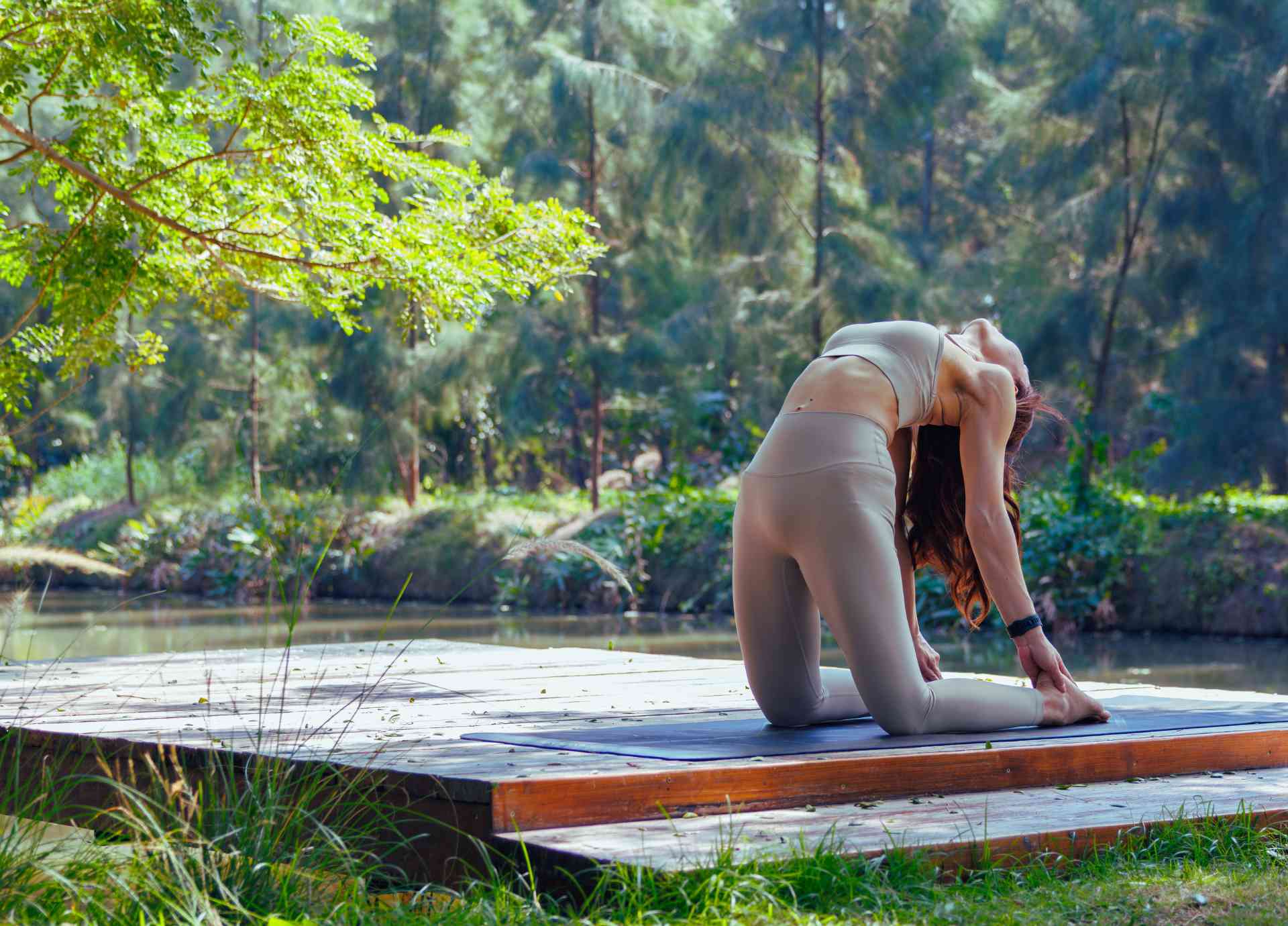
Seasonal Ayurveda and Yoga: How to Adapt Your Practice Throughout the Year
Seasonal Ayurveda in yoga teaches that practice should evolve with changes in climate and natural rhythm. Just as nature shifts between heat, cold, dryness, and moisture, the body and nervous system respond to these environmental patterns. Adapting yoga practice seasonally supports balance, prevents burnout, and aligns movement with natural cycles.
Consistency in yoga does not mean rigidity.
Why Seasons Matter in Ayurveda and Yoga
Ayurveda recognizes that environmental qualities influence internal balance.
Seasonal changes affect:
- Energy levels
- Digestion
- Sleep patterns
- Emotional stability
- Nervous system regulation
- Dosha balance
When yoga practice ignores seasonal shifts, imbalance may increase.
Adapting intensity, pace, and breath creates harmony.
Ayurveda and Yoga: A Complete Guide to Balance and Personal Practice
Autumn and Early Winter: Vata Season
Characteristics:
- Cold
- Dry
- Windy
- Unpredictable
Vata tends to increase during this period.
Common experiences:
- Restlessness
- Anxiety
- Dry skin
- Irregular sleep
Yoga for Vata Season
Focus on:
- Slow, grounding sequences
- Longer holds
- Warm environments
- Steady breathwork
- Restorative yoga
Recommended elements:
- Forward folds (Uttanasana)
- Seated poses
- Gentle hip openers
- Dirgha Pranayama
- Nadi Shodhana
Avoid excessive jumping or erratic pacing.
Grounding stabilizes Vata.
Late Winter and Spring: Kapha Season
Characteristics:
- Cold
- Damp
- Heavy
- Dense
Kapha tends to accumulate during this time.
Common experiences:
- Sluggishness
- Low motivation
- Congestion
- Heaviness
Yoga for Kapha Season
Focus on:
- Dynamic movement
- Sun salutations
- Energizing flows
- Backbends
- Strong standing poses
Recommended pranayama:
- Kapalabhati Yoga
- Ujjayi Yoga
Avoid overly long restorative sessions.
Stimulation reduces stagnation.
Summer: Pitta Season
Characteristics:
- Heat
- Intensity
- Brightness
- Sharpness
Pitta increases during hot months.
Common experiences:
- Irritability
- Overheating
- Inflammation
- Impatience
Yoga for Pitta Season
Focus on:
- Moderate intensity
- Cooling pranayama
- Moon salutations
- Gentle twists
- Longer exhalations
Recommended breath practices:
- Sheetali Yoga
- Sheetkari Yoga
- Extended exhale ratios
Avoid heated environments and excessive competitiveness.
Cooling restores balance.
Transitional Periods
Seasonal transitions often increase Vata.
During transitions:
- Simplify routines
- Maintain consistency
- Emphasize grounding
- Avoid sudden intensity shifts
The nervous system benefits from predictability.
Adjusting Practice by Time of Day
Ayurveda also recognizes daily cycles.
Morning:
- Energize Kapha
- Gentle activation for Vata
Midday:
- Moderate intensity
- Avoid overheating Pitta
Evening:
- Calming breathwork
- Restorative yoga
- Grounding meditation
Small adjustments create noticeable balance.
Nervous System and Seasonal Awareness
Cold and wind may increase anxiety.
Heat may increase irritability.
Damp heaviness may increase lethargy.
Seasonally adapted yoga regulates these responses before they escalate.
Prenatal and Postpartum Considerations
During pregnancy and postpartum, Vata tends to increase naturally.
Across all seasons:
- Emphasize warmth
- Prioritize grounding
- Avoid extremes
- Maintain consistent routine
Seasonal sensitivity increases during recovery phases.
From Personal Experience
When practice adapts to season, energy feels steadier. Forcing high intensity during cold months or heating practices during summer often leads to imbalance. Seasonal awareness creates sustainability rather than depletion.
Intention (Sankalpa)
I align my yoga practice with the rhythm of nature.
http://test.houseofwitchcraft.co/vata-pitta-kapha-yoga-practice
Closing
Seasonal Ayurveda in yoga encourages adaptation rather than fixed routine. By adjusting movement, breath, and intensity according to environmental shifts, balance becomes easier to maintain. Let your practice evolve with the seasons rather than resist them.
Post a Comment