





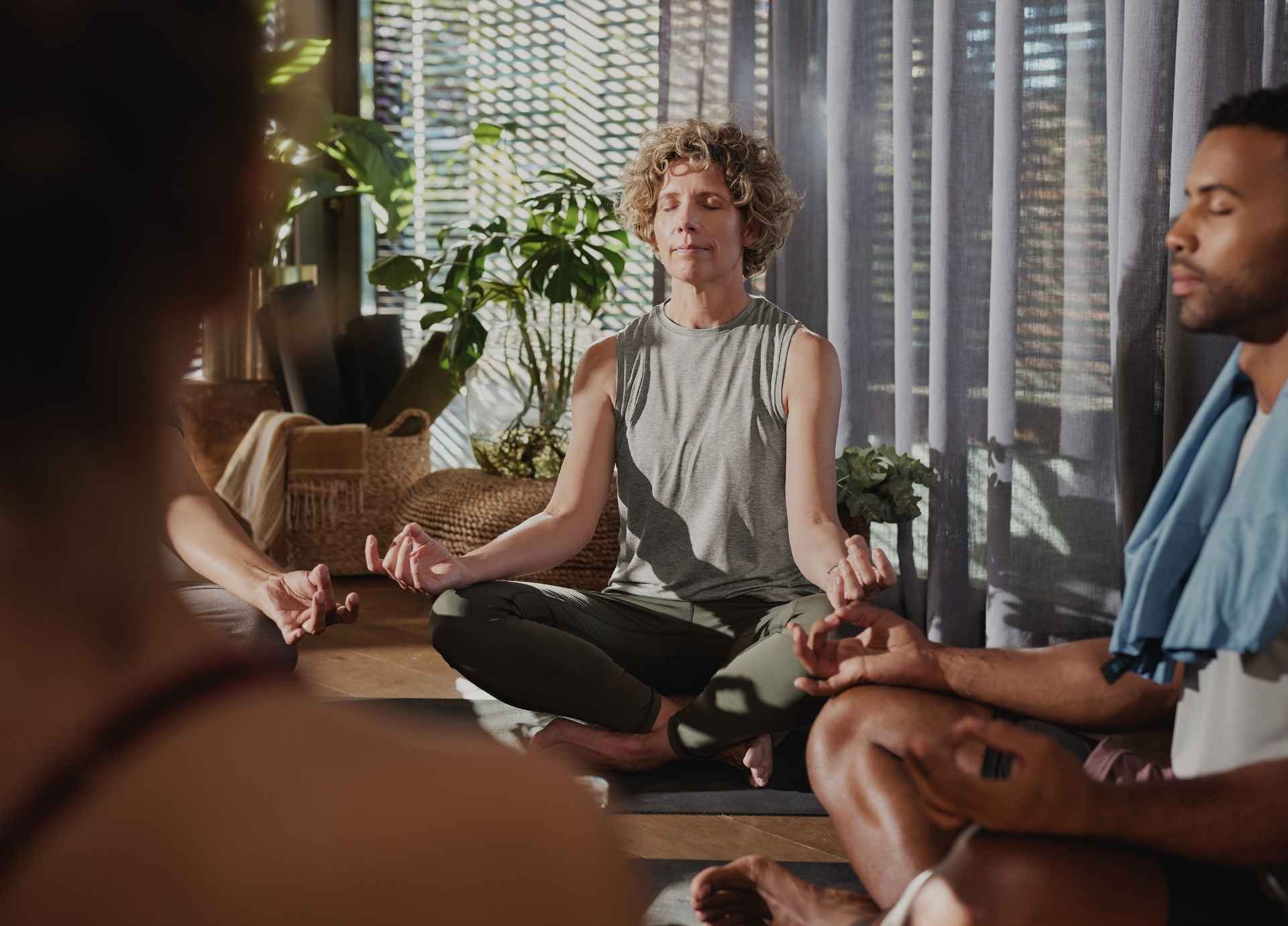
Pranayama and the Vagus Nerve in Yoga: The Science of Breath Regulation
Pranayama in yoga is more than controlled breathing. It directly influences the nervous system through its relationship with the vagus nerve. By slowing, lengthening, and regulating breath patterns, yoga pranayama techniques can stimulate parasympathetic activation and reduce stress responses. Understanding this connection brings clarity to why breathwork is so effective.
The breath is one of the few systems we can consciously regulate.
What Is the Vagus Nerve
The vagus nerve is a major component of the parasympathetic nervous system.
It:
- Connects the brain to the heart, lungs, and digestive organs
- Influences heart rate
- Regulates breathing rhythm
- Supports digestion
- Plays a key role in emotional regulation
When the vagus nerve is stimulated, the body shifts toward a calmer state.
How Pranayama Influences the Vagus Nerve
Slow, controlled breathing may stimulate vagal tone by:
- Increasing exhalation length
- Activating the diaphragm
- Slowing heart rate variability
- Reducing stress hormone output
- Creating rhythmic breathing patterns
Longer exhalations are particularly effective at activating parasympathetic response.
The Diaphragm and Vagal Stimulation
The diaphragm plays a central role in pranayama yoga.
When it moves fully:
- Pressure shifts within the abdomen
- Heart rate adjusts naturally
- Vagal stimulation increases
- Breathing becomes more efficient
Practices such as Dirgha Pranayama Yoga emphasize diaphragmatic movement.
Pranayama Techniques That Support Vagal Tone
Nadi Shodhana Yoga
Alternate nostril breathing promotes rhythm and balance.
Here is a complete guide for the nadi shodhana yoga practice.
Bhramari Yoga
Humming creates vibration that may stimulate the vagus nerve through sound resonance.
Here is a complete guide for the bhramari yoga practice.
Extended Exhale Ratios
Inhale 4
Exhale 6 or 8
This directly supports parasympathetic activation.
Here is a complete guide for the breath ratios in yoga.
Ujjayi Yoga
Slow nasal breathing with gentle throat engagement creates rhythmic control.
These techniques are calming rather than stimulating.
Here is a complete guide for the ujjayi yoga practice.
Signs of Healthy Vagal Activation
When parasympathetic tone improves, you may notice:
- Slower resting heart rate
- Deeper breathing
- Improved digestion
- Reduced anxiety
- Increased emotional stability
- Better sleep
Breath practice builds this gradually.
The Nervous System Balance in Yoga
The autonomic nervous system has two main branches:
Sympathetic
Fight or flight activation
Parasympathetic
Rest and digest regulation
Pranayama yoga helps restore balance between these systems.
Activating techniques such as Kapalabhati Yoga temporarily increase sympathetic activity, while calming techniques increase parasympathetic response.
How to Practice for Vagus Nerve Support
A simple sequence:
- Sit upright comfortably
- Practice Dirgha Pranayama for 3 minutes
- Shift to 4:6 breath ratio
- Finish with 2 minutes of Bhramari Yoga
This structure encourages gradual calming.
Contraindications
Breathwork should be gentle if you have:
- Severe anxiety disorders
- Cardiovascular conditions
- Respiratory illness
- History of panic attacks
Avoid aggressive breath retention.
Prenatal and Postpartum Considerations
Prenatal:
- Focus on extended exhale
- Avoid retention
- Keep breath natural
Postpartum:
- Gentle diaphragmatic breathing
- Avoid forceful abdominal contraction
- Practice seated comfortably
Regulation must feel supportive.
Emotional Implications
Improved vagal tone may support:
- Emotional resilience
- Faster recovery from stress
- Clearer decision making
- Reduced reactivity
Breath becomes a tool for self regulation.
From Personal Experience
Regular pranayama practice often creates subtle but noticeable shifts. Stress responses soften more quickly, and breath becomes steadier throughout the day. Over time, this builds a sense of internal stability.
Intention (Sankalpa)
I regulate my breath to support calm and balanced awareness.
Closing
Pranayama in yoga offers a direct pathway to influencing the vagus nerve and supporting nervous system regulation. Through slow, controlled breathing techniques, you can cultivate steadiness and resilience. Let breath become a conscious tool for restoring balance within your body and mind.
Post a Comment