





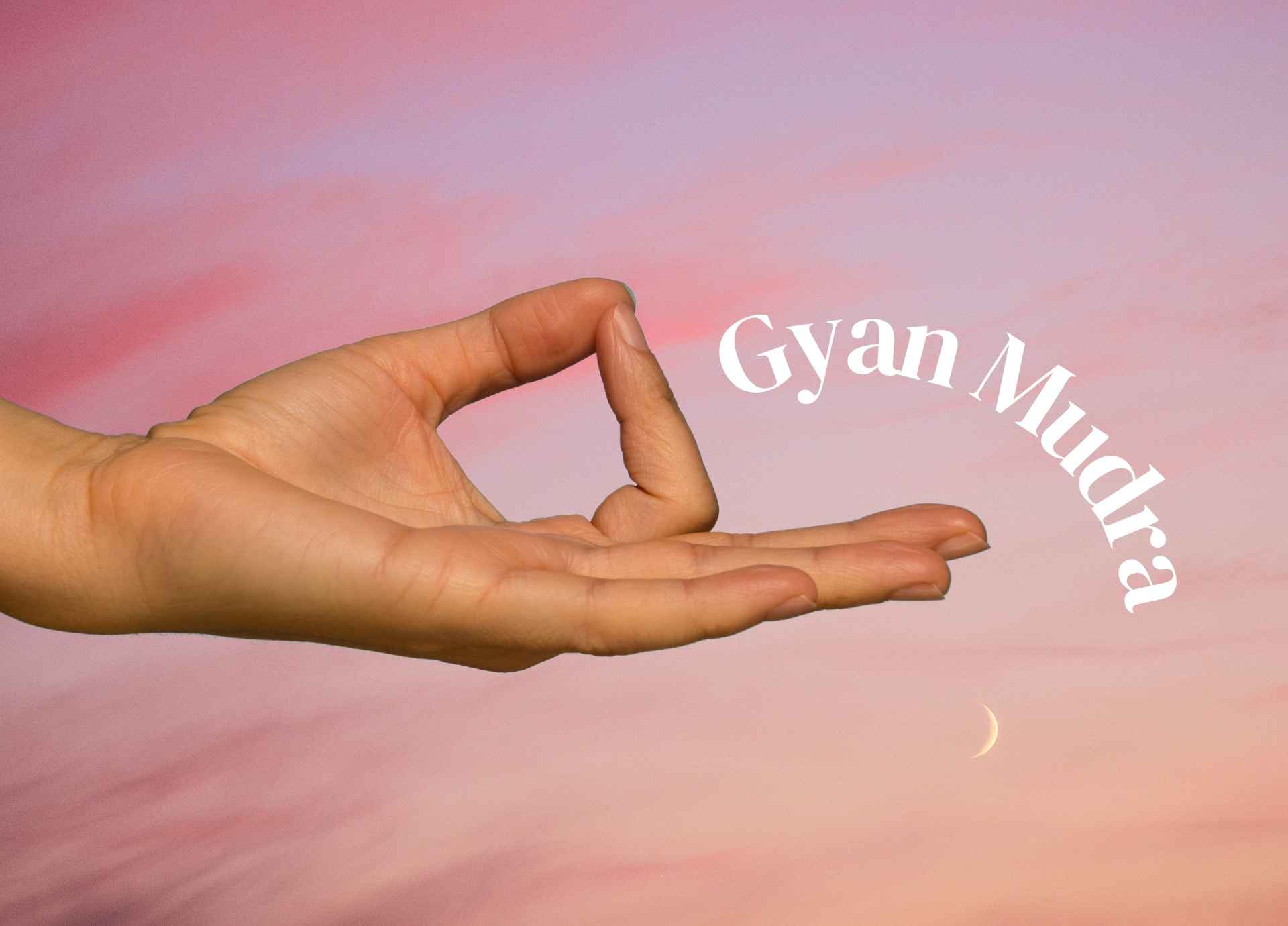
Gyan Mudra in Yoga: The Gesture of Knowledge Explained
Gyan Mudra in yoga is one of the most widely recognized hand gestures used in meditation. Formed by touching the thumb and index finger together, this mudra is traditionally associated with knowledge, clarity, and awareness. When practiced with steady breath and upright posture, it supports mental focus and stable attention.
Small physical adjustments can influence mental steadiness.
What Is Gyan Mudra in Yoga
Gyan Mudra is created by:
- Touching the tip of the thumb
- To the tip of the index finger
- Keeping the remaining three fingers extended
- Resting hands gently on the thighs
Palms may face upward for openness or downward for grounding.
In yogic symbolism:
- The thumb represents universal consciousness
- The index finger represents individual awareness
Their connection symbolizes unity of individual and universal awareness.
Meditation in Yoga: A Complete Guide to Practice and Progression
Why Gyan Mudra Is Used in Meditation
This mudra may support:
- Concentration
- Mental clarity
- Reduced distraction
- Steady breathing
- Calm alertness
Because it is simple and sustainable, it is often used during seated meditation.
How to Practice Gyan Mudra in Yoga
- Sit upright in Sukhasana or on a chair.
- Form the mudra with both hands.
- Rest hands on thighs.
- Close the eyes softly.
- Breathe naturally or practice equal ratio breathing.
Remain for 5 to 20 minutes.
Palms Up or Palms Down
Palms facing up:
- Encourages openness
- Often used in meditation
Palms facing down:
- Encourages grounding
- Useful for anxiety or restlessness
Choose based on intention.
The Nervous System and Hand Gestures
While mudras are subtle, combining Gyan Mudra with slow breathing may:
- Encourage parasympathetic activation
- Improve concentration
- Reduce mental agitation
- Support sustained focus
The breath remains the primary regulator.
When to Use Gyan Mudra in Yoga
- During silent sitting meditation
- During pranayama
- During mantra repetition
- At the end of asana practice
- During grounding practices
It integrates easily into existing routines.
Prenatal and Postpartum Considerations
Gyan Mudra is safe and accessible during all life phases.
Prenatal:
- Practice seated comfortably
- Avoid rigid posture
Postpartum:
- Short sessions are effective
- Combine with grounding breath
No physical strain is involved.
Common Mistakes
- Pressing fingers too tightly
- Tension in shoulders
- Slouching posture
- Expecting immediate mental silence
The effect develops gradually.
From Personal Experience
Gyan Mudra often becomes almost automatic during meditation. Its simplicity allows attention to remain on breath or awareness rather than on the gesture itself. Over time, it becomes associated with a mental shift toward steadiness.
Intention (Sankalpa)
I cultivate clarity and steady awareness.
Closing
Gyan Mudra in yoga offers a subtle yet structured support for meditation and concentration. By connecting thumb and index finger with steady breath, attention becomes more focused and grounded. Let this gesture reinforce calm clarity within your practice.
Post a Comment