





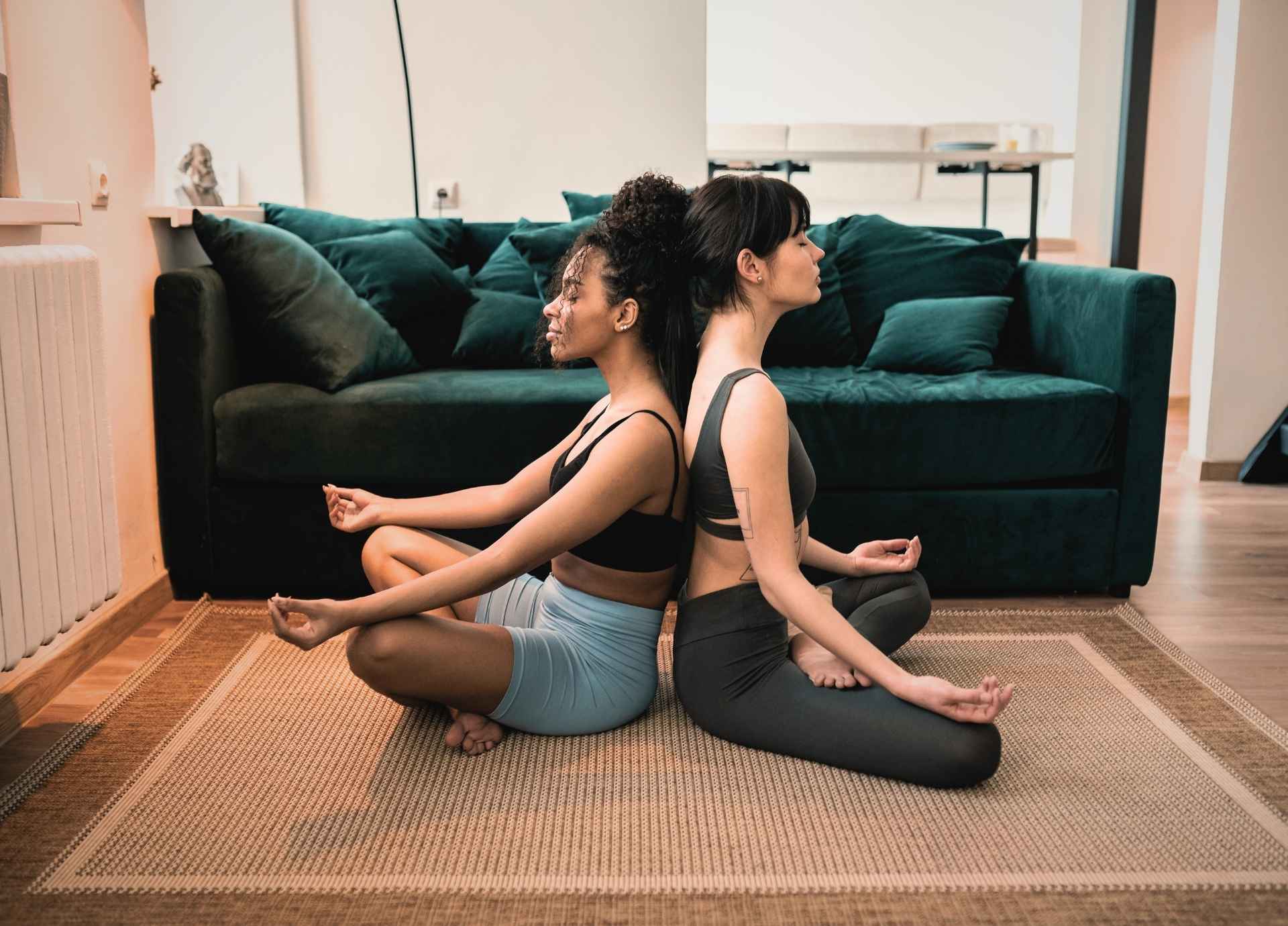
Mantra Meditation in Yoga: How Repetition Stabilizes the Mind
Mantra meditation in yoga uses repeated sound or phrase as a tool for concentration and mental steadiness. Through rhythmic repetition, the mind gradually becomes less scattered and more focused. Unlike silent breath awareness, mantra provides an anchor that occupies cognitive space and reduces distraction. When practiced consistently, it supports emotional balance and meditative depth.
Repetition creates rhythm. Rhythm creates steadiness.
What Is Mantra Meditation in Yoga
A mantra is a sound, word, or phrase repeated intentionally.
In yoga, mantra meditation may involve:
- Silent repetition
- Whispered repetition
- Audible chanting
- Coordinating mantra with breath
The mantra becomes the object of focus, similar to Dharana.
Meditation in Yoga: A Complete Guide to Practice and Progression
Why Repetition Works
The mind tends to move continuously between thoughts.
Repetition:
- Narrows mental focus
- Reduces internal dialogue
- Creates predictable rhythm
- Encourages breath regulation
- Builds concentration
Over time, the repetition becomes more subtle and internal.
Common Mantras Used in Yoga
Om
Considered a foundational sound in yoga practice.
Often used at the beginning or end of meditation.
So Hum
Silently repeated with breath:
Inhale: So
Exhale: Hum
Supports breath awareness.
Personal Affirmation
Simple phrases such as:
- I am steady
- I breathe with calm
- I remain grounded
The mantra should feel neutral and sustainable.
How to Practice Mantra Meditation in Yoga
Step 1: Sit Comfortably
Sit upright in Sukhasana or on a chair.
Step 2: Choose a Mantra
Select one word or short phrase.
Step 3: Begin Repetition
Repeat the mantra silently.
If helpful, coordinate with breath.
Step 4: Redirect Gently
If attention drifts, return to the mantra.
Practice for 5 to 15 minutes.
Audible Versus Silent Mantra
Audible repetition:
- Engages vocal vibration
- Supports breath rhythm
- Can feel grounding
Silent repetition:
- Encourages internal awareness
- Reduces external stimulation
- Deepens concentration
Both are effective.
The Nervous System and Sound
Repetition combined with steady breathing may:
- Slow heart rate
- Reduce anxiety
- Improve focus
- Support parasympathetic activation
Sound vibration can also stimulate vagal tone gently.
Common Challenges
- Mechanical repetition without awareness
- Choosing a mantra that feels emotionally charged
- Switching mantras frequently
- Expecting immediate silence
Consistency builds depth.
Prenatal and Postpartum Considerations
Prenatal:
- Silent repetition is gentle and safe
- Keep posture comfortable
- Avoid breath retention
Postpartum:
- Short sessions are effective
- Audible chanting may feel grounding
- Allow flexibility in timing
Meditation must adapt to energy levels.
Emotional Effects
Mantra meditation may support:
- Reduced mental chatter
- Improved emotional stability
- Greater clarity
- Increased patience
- Calm focus
Benefits develop gradually.
From Personal Experience
Mantra meditation often feels easier for beginners than silent breath meditation. The structure of repetition reduces wandering attention. Over time, the mantra may soften naturally into quieter awareness.
Intention (Sankalpa)
I steady my mind through rhythmic and intentional repetition.
Closing
Mantra meditation in yoga provides a structured and accessible way to cultivate focus and emotional balance. Through steady repetition and breath awareness, the mind becomes more stable and less reactive. Let mantra become a supportive tool for building consistent meditation practice.
Post a Comment