
The Psoas Muscle in Yoga: How Hip Flexors Affect Alignment and Stability
The hip flexors, especially the psoas muscle, play a central role in posture, spinal alignment, and emotional stress patterns. In yoga, understanding how these muscles function can prevent lower back pain, improve balance, and create more stable movement. Tight or weak hip flexors influence everything from walking to backbends. Awareness of this deep muscle group transforms the way many poses feel.
The psoas is not just a muscle to stretch. It requires both strength and release.
What Are the Hip Flexors
The primary hip flexors include:
- Psoas major
- Iliacus
- Rectus femoris
- Sartorius
Together, they lift the thigh toward the torso and help stabilize the spine.
The psoas major is unique because it connects the lumbar spine to the inner thigh. This connection explains why tight hip flexors often contribute to lower back discomfort.
Asana in Yoga: A Complete Guide to Structure, Purpose, and Progression
The Role of the Psoas
The psoas supports:
- Upright posture
- Spinal stabilization
- Walking and running
- Balance
- Transitioning between sitting and standing
Because it attaches directly to the lumbar vertebrae, tension in the psoas can increase lower back compression.
What Happens When Hip Flexors Are Tight
Modern lifestyles often involve prolonged sitting. This can lead to shortened hip flexors.
Common signs include:
- Anterior pelvic tilt
- Overarching in backbends
- Lower back discomfort
- Limited hip extension
- Strain in Warrior poses
- Difficulty balancing
When hip flexors shorten, glutes often become underactive, creating imbalance.
What Happens When Hip Flexors Are Weak
Weak hip flexors may cause:
- Instability in balance poses
- Difficulty lifting legs in core work
- Poor posture
- Compensatory gripping in lower back
Both tightness and weakness require attention.
How Hip Flexors Affect Yoga Poses
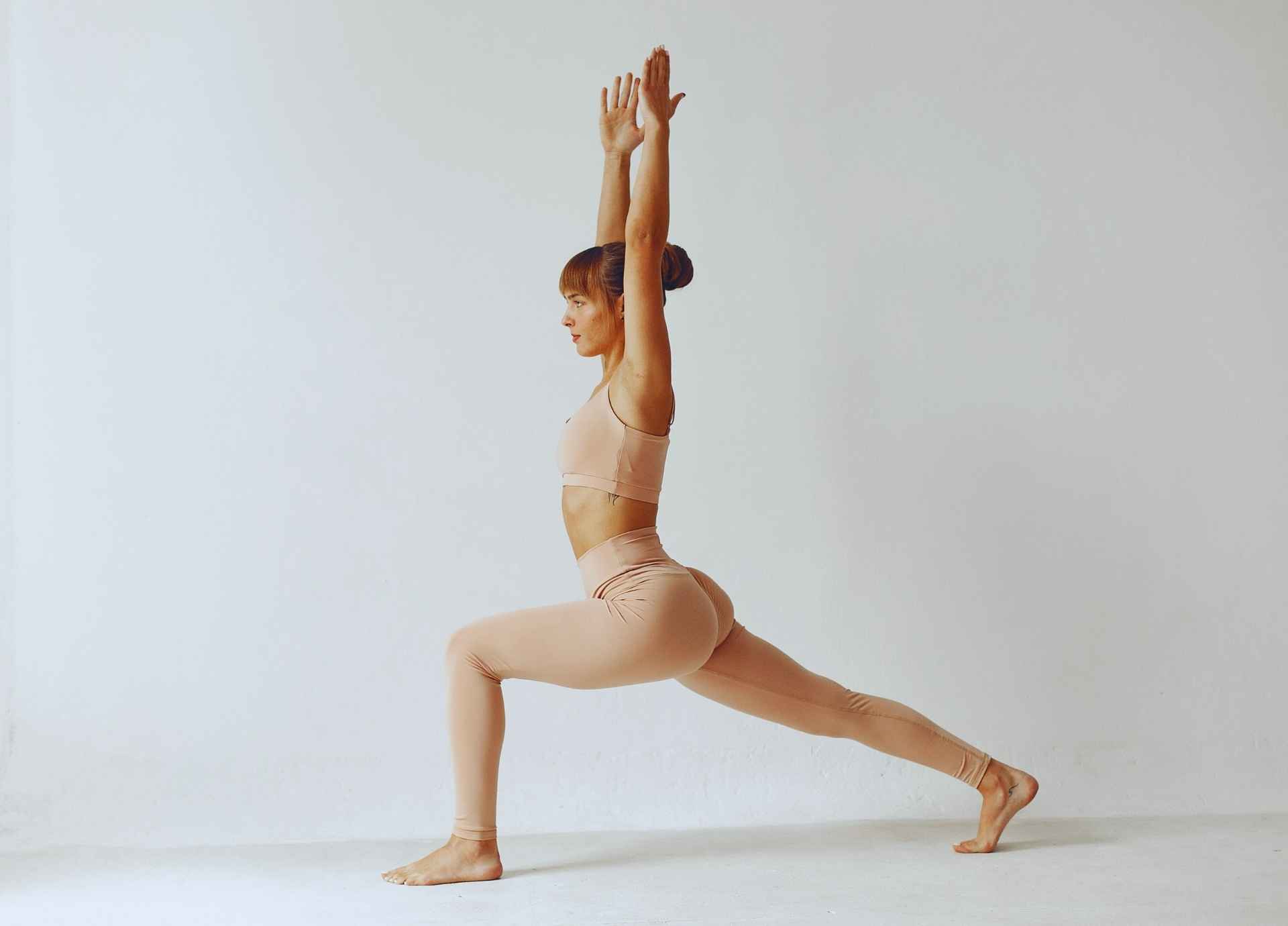
Low Lunge (Anjaneyasana)
This pose lengthens the psoas when practiced correctly.
Alignment cues:
- Keep pelvis neutral
- Engage lower abdomen gently
- Avoid collapsing into lower back
- Lift chest before deepening
The stretch should feel spacious, not compressed.
Warrior I (Virabhadrasana I)
Back leg hip flexors lengthen.
Alignment cues:
- Square hips gently
- Avoid over arching
- Engage glutes for stability
Bridge Pose (Setu Bandhasana)
Bridge strengthens glutes and lengthens hip flexors.
Alignment cues:
- Press through heels
- Keep knees hip width
- Avoid pushing ribs upward excessively
Boat Pose (Navasana)
Hip flexors engage actively.
Alignment cues:
- Lift through chest
- Avoid rounding lower back
- Keep breath steady
Safe Ways to Release the Psoas
- Slow lunges with neutral pelvis
- Supported low lunges with blocks
- Gentle supine stretches
- Restorative backbends with bolster
- Slow breath focused movement
Release must be gradual. Forcing deep lunges can aggravate the lower back.
Strengthening the Psoas Safely
Balanced strengthening supports joint integrity.
- Slow leg lifts with core engagement
- Controlled transitions from standing to seated
- Modified core work
- Slow mountain climbers with alignment awareness
Stability must accompany flexibility.
The Psoas and Stress
The psoas responds to stress. It activates during the body’s protective response. Chronic stress can contribute to persistent tightness.
Gentle breathwork, forward folds, and grounding practices can help regulate tension in this area.
Prenatal and Postpartum Considerations
Prenatal:
- Avoid deep lunges that compress pelvis
- Keep movements supported
- Focus on gentle mobility
Postpartum:
- Rebuild core stability first
- Avoid overstretching hip flexors
- Strengthen glutes gradually
- Maintain pelvic floor awareness
Balance is more important than intensity.
From Personal Experience
When hip flexors are balanced, movement feels lighter and more stable. Lower back tension often decreases naturally. Awareness of the psoas shifts the focus from chasing flexibility to building integrated strength.
Intention (Sankalpa)
I create balance between strength and release in my body.
Closing
The hip flexors and psoas influence posture, spinal health, and stability in yoga practice. By understanding their role and working with both strength and release, you protect the lower back and improve alignment. Let your practice support integration rather than force.
Post a Comment