





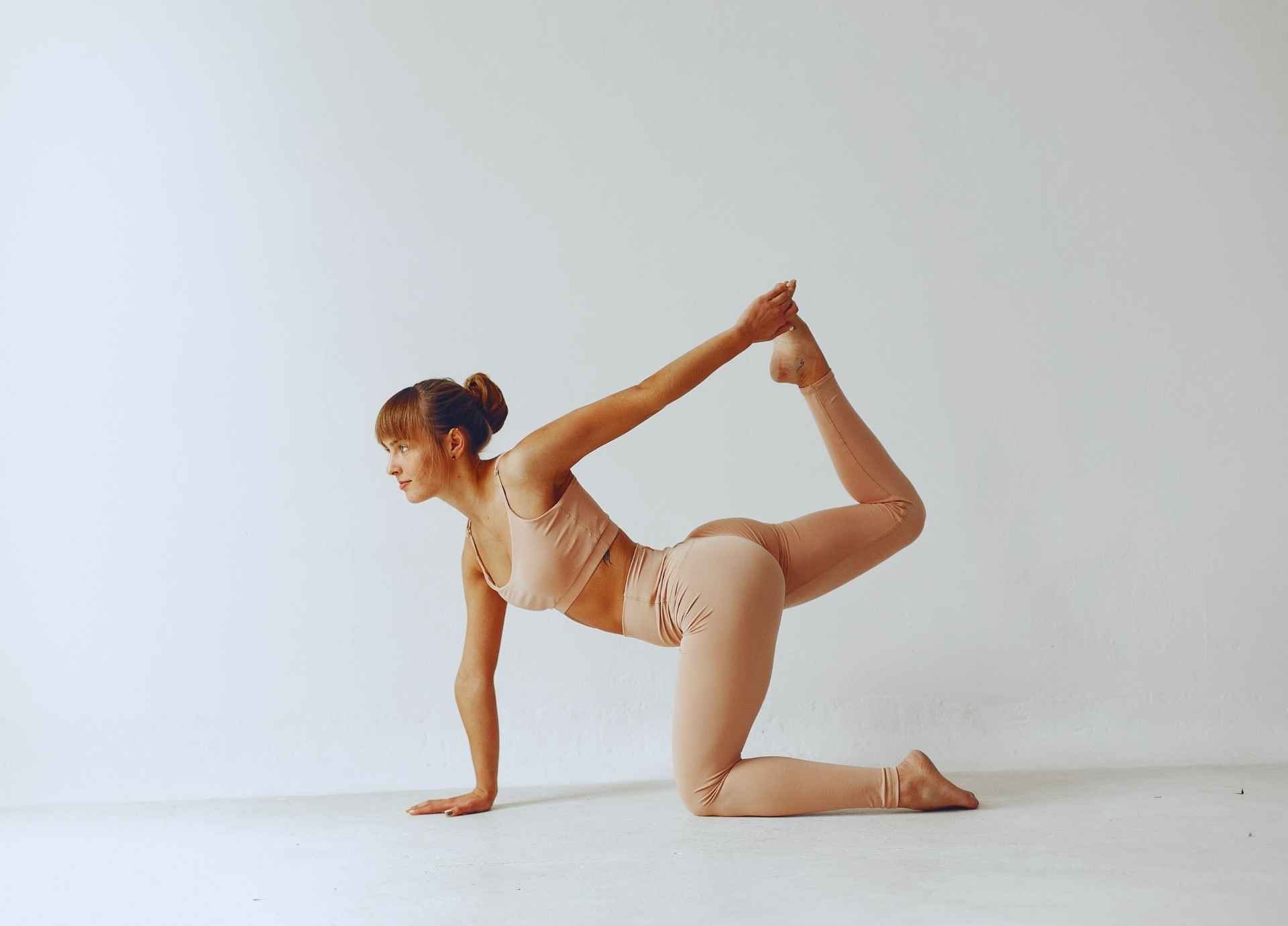
Backbend Essentials: Building Strength Before Depth
Backbends can feel expansive and uplifting, but without strength and control they can quickly lead to discomfort in the lower back, shoulders, or neck. True backbend practice is not about how deep you go, but how well you support your spine, activate your muscles, and maintain stability. This guide outlines the essential principles for building strength before exploring deeper backbends.
Backbends increase spinal mobility, open the chest, strengthen the back body, and support confident posture when approached safely and progressively.
Why Strength Matters More Than Depth
Deep backbends can overstretch ligaments or compress the lumbar spine when done without proper support. Safe backbending prioritizes:
- Upper-back (thoracic) mobility
- Glute and hamstring activation
- Stable shoulders
- Functional core engagement
- Controlled movement
When strength leads, depth follows naturally and safely.
Asana in Yoga: A Complete Guide to Structure, Purpose, and Progression
Key Alignment Principles
Length before lift
Visualize creating space in the spine before deepening into the posture.
Engage the legs
Strong legs stabilize the pelvis and protect the lower back.
Broaden through the chest
Draw shoulder blades gently back to reduce strain in the neck and upper traps.
Support with the core
A lightly engaged core prevents excessive lumbar extension.
Move slowly
Slow transitions protect the joints and encourage awareness.
Foundational Preparatory Movements
Cat-Cow (Marjaryasana–Bitilasana)
Builds awareness of spinal movement and prepares the back for extension.
Sphinx Pose (Salamba Bhujangasana)
Strengthens the upper back and introduces gentle extension without compression.
Locust Pose (Salabhasana)
Activates the entire posterior chain, essential for safe backbending.
Low Lunge with Heart Lift (Anjaneyasana)
Opens the hip flexors, reducing excessive pressure on the lumbar spine during backbends.
Bridge Pose (Setu Bandhasana)
Strengthens glutes and hamstrings while promoting spinal extension safely.
Each of these foundational postures creates strength and stability needed for deeper variations.
Backbend Progression
Stage 1: Foundation
- Sphinx Pose (Salamba Bhujangasana)
- Baby Cobra (Ardha Bhujangasana)
- Bridge Pose (Setu Bandhasana)
Focus on even breath and stable engagement.
Stage 2: Strength Building
- Locust variations (Salabhasana)
- Bow Pose (Dhanurasana)
- High Lunge with Heart Opening (Anjaneyasana heart opener)
Develop controlled strength without forcing depth.
Stage 3: Deeper Expressions
- Camel Pose (Ustrasana)
- Wheel Pose (Urdhva Dhanurasana)
- Supported King Pigeon Prep (Eka Pada Rajakapotasana variation)
Only explore when strength, breath, and control are consistent.
Common Mistakes
- Overarching the lower back
- Relaxing the glutes (they should engage to protect the spine)
- Throwing the head back
- Collapsing into the shoulders
- Rushing into advanced poses
- Holding the breath
Backbends should feel stable, spacious, and supported — never sharp or collapsing.
Breath Support for Backbends
- Inhale: lift and lengthen the chest
- Exhale: maintain engagement and stability
- Keep breath even and continuous
- Avoid breath holding during transitions
Breath regulates the nervous system and reduces reactive tension.
Props and Modifications
- Blocks: under hands for Cobra (Bhujangasana) or under feet in Bridge (Setu Bandhasana)
- Bolster: under the spine for supported heart openers
- Strap: for shoulder mobility in Dancer Pose (Natarajasana)
- Wall support: to stabilize standing backbends
Props allow steady progression without compromising form.
Prenatal and Baby Yoga Note
During pregnancy:
- Avoid deep or compressive backbends.
- Choose supported chest openers like Sphinx (Salamba Bhujangasana).
- Use blocks for elevation and abdominal space.
- Focus on gentle thoracic mobility rather than lumbar extension.
Postpartum practitioners should rebuild core and pelvic stability before reintroducing deeper backbends.
From Personal Experience
Backbend progress often emerges from strengthening muscles that were previously underutilized. When the back, glutes, legs, and core work together, the spine feels supported rather than strained. Strength creates confidence, and confidence creates space.
Intention (Sankalpa)
I open with strength, awareness, and grounded ease.
Closing
Backbends become empowering when approached with strength, safety, and intention. By building stability before depth, you protect your spine, support long-term mobility, and create a balanced, heart-opening practice. Let this guide accompany you toward backbends that feel spacious, confident, and genuinely nourishing.
Post a Comment