




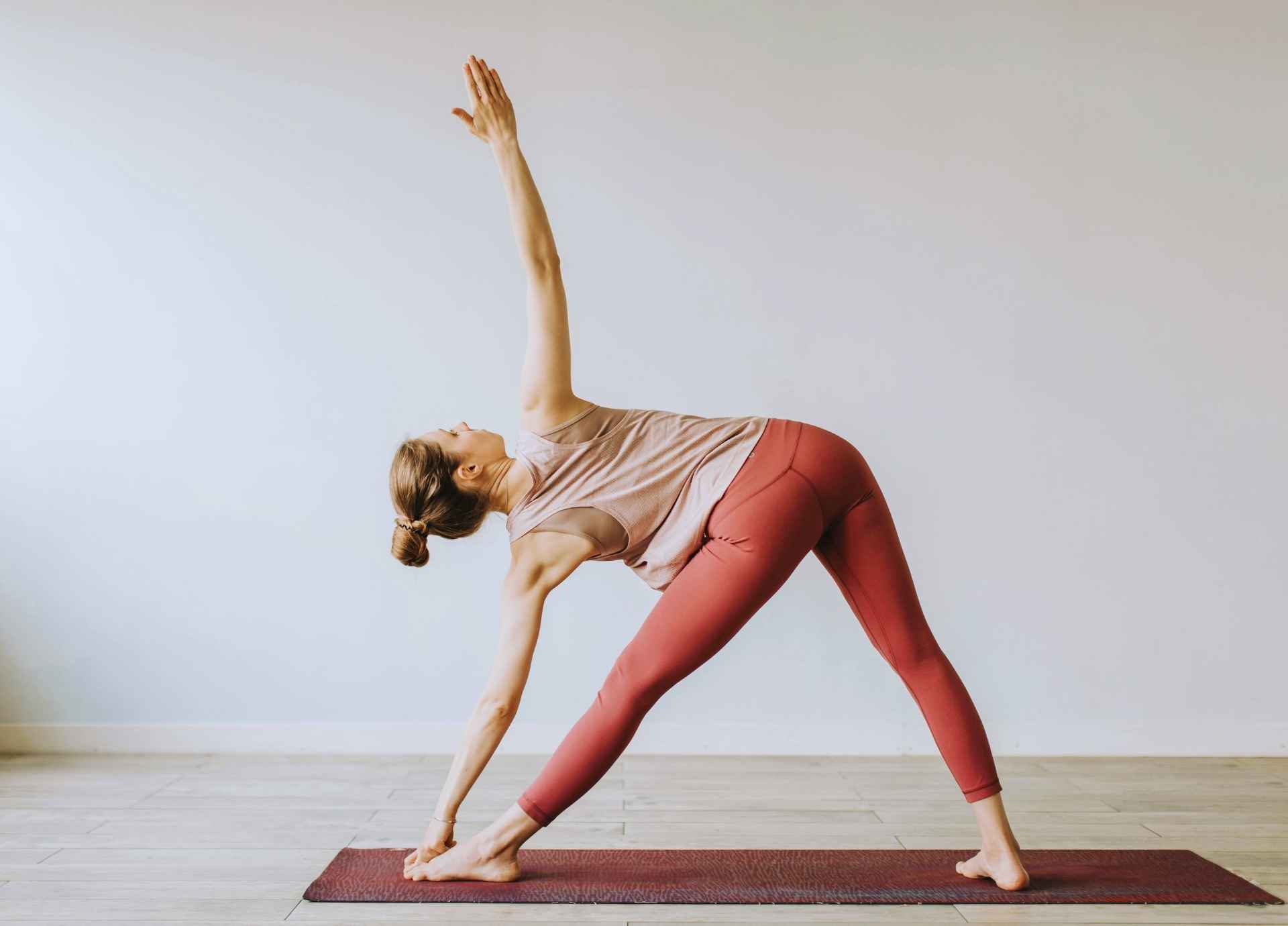
The Principles of Yoga Sequencing for Emotional Regulation
The body holds emotions long after the mind moves on. Through intentional yoga sequencing, you can guide your energy into balance, release stored tension, and reconnect to a deeper sense of calm. Thoughtful sequencing becomes a pathway toward emotional clarity, grounding, and inner steadiness.
What Is Emotional Regulation Through Yoga?
Emotional regulation is the ability to recognize, navigate, and respond to your emotions with stability rather than overwhelm. Yoga supports this by using breath, movement, and pacing to influence the nervous system and create a sense of grounded presence.
When a sequence is built with emotional intention, it creates a safe, structured pathway for release. Instead of forcing change, it invites the body and mind into balance.
In both yoga and witchcraft traditions, movement is seen as a way to shift energy. Sequencing becomes a ritual, a purposeful weaving of poses that move emotion through the body.
Core Meaning and Essence
Yoga sequences designed for emotional regulation often include:
- Grounding postures for safety
- Gentle opening for emotional flow
- Rhythmic movement to stabilize the mind
- Slow transitions to prevent overwhelm
- Closing shapes that restore calm
From a physiological perspective, these sequences:
- Activate the parasympathetic nervous system
- Reduce cortisol and muscle tension
- Improve breath depth and rhythm
- Support mental clarity
- Encourage emotional expression without collapse
From a spiritual perspective, this type of sequencing reconnects you to intuition, embodied truth, and emotional honesty.
Key Aspects and Principles of Emotional Sequencing
Grounding at the Start
Begin with shapes that anchor attention, such as Child’s Pose, Easy Seat, or Constructive Rest.
Slow, Rhythmic Movement
Steady pacing helps regulate breath and interrupt anxious or spiraling thoughts.
Emotional Release Through Hips and Heart
The hips store emotional tension, and the heart space holds vulnerability.
Gentle opening in these areas supports release.
Balanced Strength and Softness
Too much intensity can amplify emotional overwhelm.
Aim for stability with softness.
Gentle Closing
End with stillness, supported postures, or calming breathwork to seal the practice.
Signs You May Benefit from Emotional Regulation Sequencing
You may feel drawn to this type of practice when experiencing:
- Mood swings or irritability
- Emotional heaviness or numbness
- Anxiety or overwhelm
- Difficulty focusing
- Feeling disconnected from your body
- A desire for release without chaos
Energetically, you may notice:
- Dreams involving water or movement
- Urges to clean, declutter, or rearrange
- A desire for quiet and introspection
These signs indicate your system is seeking grounding and flow.
Practical Connection
Emotional Regulation Sequence (12 to 15 minutes)
- Start in Child’s Pose for several breaths.
- Flow gently through Cat and Cow to mobilize the spine.
- Move into Low Lunge on both sides to open the hips.
- Shift to Seated Forward Fold for grounding and nervous system calm.
- Add Figure Four Stretch for emotional release through the hips.
- Close with Supported Reclined Bound Angle Pose or Legs Up the Wall.
Breathwork Support
- Extended exhale breathing
- Dirga (three-part breath)
- Gentle humming breath for vagal tone
Journal Prompts
- What emotion is present in my body today?
- Where do I feel resistance or tension?
- What can I release gently, without pressure?
- What supports my emotional steadiness?
Energy Ritual
- Light a candle with the intention of emotional clarity.
- Place a hand on your chest and your belly.
- Breathe slowly and imagine your emotions settling like water returning to stillness.
Herbs, Crystals, and Colors
- Herbs: jasmine, rose, chamomile
- Crystals: moonstone, rhodonite, rose quartz
- Colors: soft pink, gentle blue, muted gray
Prenatal and Baby Yoga Note
Emotional regulation sequences for pregnancy and postpartum should be slow, spacious, and supportive. Safe options include wide Child’s Pose, seated hip openers, gentle side stretches, and supported reclined postures. Avoid deep twists and long static holds.
From Personal Experience
Emotional regulation through yoga often feels like a quiet returning. Movement softens the edges of stress, breath brings clarity, and your body begins to feel like home again. Over time, this style of sequencing builds resilience and emotional intelligence.
Affirmation
My body guides me toward balance and calm.
Closing
Emotional regulation is not about avoiding your feelings. It is about creating space to experience them with steadiness and self-trust. Through intentional sequencing, yoga becomes a supportive pathway into clarity, presence, and emotional freedom. Let your practice become a gentle guide toward equilibrium.
Post a Comment