


The Science Behind the Moon’s Effect on Human Emotions
Introduction
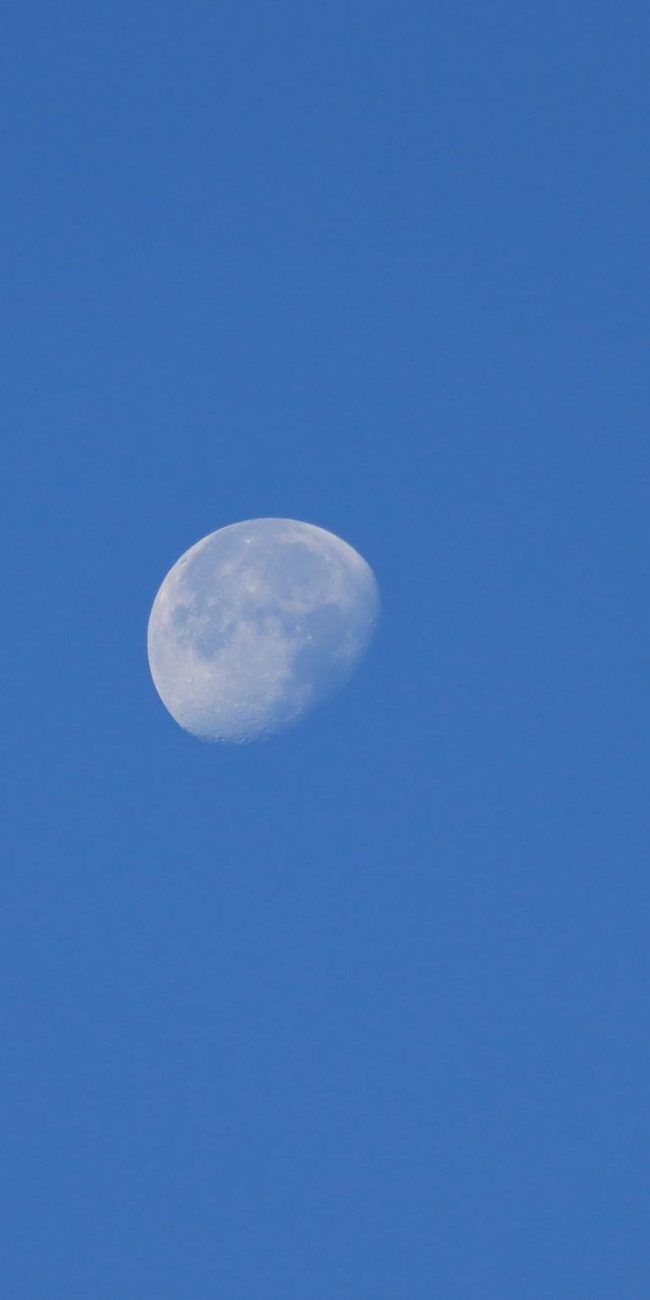
For thousands of years, humans have looked to the Moon not just as a celestial body, but as a guide, a mirror, and a source of emotional influence.
From ancient goddess worship to modern-day astrology, we’ve honoured her shifting light as a force that stirs the tides of our inner world. But is it just symbolism — or is there a real, measurable connection between the Moon and our emotions?
The truth is, it’s both. The science deepens the magic. The magic deepens the science.
The Moon and the Body: A Physical Connection
We Are Water
The human body is roughly 60% water. Just as the Moon’s gravitational pull influences ocean tides, many believe it subtly affects the fluids in our bodies.
While science hasn’t proven a direct “tide” effect on our blood or brain fluid, research does show correlations between lunar phases and changes in sleep, mood, and behaviour.
Moon Ritual Masterlist: Sacred Practices for Every Lunar Phase
Sleep Cycles and the Full Moon
Studies suggest that in the days surrounding the Full Moon, people may sleep less and experience reduced deep sleep. This may be linked to increased light exposure, subtle circadian rhythm shifts, or even evolutionary adaptations when bright nights required greater alertness.
Hormonal Shifts
Some research connects the lunar cycle to menstrual cycles, which often align closely with the Moon’s 29.5-day rhythm. This natural synchronicity may explain why the Moon has long been linked to fertility, intuition, and emotional flow.
The Moon and the Mind: Psychological Influences
Light and Mood
Just as sunlight impacts serotonin and melatonin levels, moonlight — especially the brightness of the Full Moon — can subtly influence mood and alertness.
Symbolic Power
Our emotional connection to the Moon is partly cultural and symbolic. Knowing the Moon is full can heighten feelings of energy, celebration, or restlessness, while the Dark Moon may naturally invite introspection.
The Lunar Effect in Folklore
The term “lunacy” comes from the Latin luna, meaning Moon. Folklore from countless cultures has linked lunar phases with changes in behaviour, heightened emotion, and even erratic action — stories that still shape our subconscious associations today.
The Moon and Energy: Spiritual Perspectives
From a mystical lens, the Moon’s phases correspond to shifting energetic tides:
- New Moon: A void of possibility; planting seeds.
- Waxing Phases: Growth, action, momentum.
- Full Moon: Peak energy, illumination, release.
- Waning Phases: Reflection, gratitude, rest.
In energy work, these phases are seen as invitations to align personal action with cosmic timing. By tuning in, we move with the current instead of against it.
Practical Ways to Work with the Moon’s Emotional Influence
1. Track Your Mood and the Moon
Keep a journal of your emotions alongside the Moon phase. Over time, patterns emerge — maybe you feel restless at the Full Moon or deeply introspective at the Waning Crescent.
2. Match Rituals to the Energy
Harness high energy at the Full Moon for celebration and connection. Use the New Moon for quiet reflection and intention setting.
3. Honour Rest Cycles
If you feel depleted in certain phases, give yourself permission to slow down. The Moon reminds us that not every moment is for growth — some are for release.
Moon Ritual Masterlist: Sacred Practices for Every Lunar Phase
Closing Thoughts
The Moon’s influence on our emotions is part science, part symbolism, part soul. Whether you believe it’s the pull of gravity, the shift in light, or the quiet whisper of ancient magic, her rhythm offers a powerful mirror for your inner life.
When you understand her phases, you understand yourself more deeply. And when you align with her flow, you move through life with more grace, presence, and emotional balance.
Post a Comment
![Chiron: The Wounded Healer — Healing, Wisdom & Transformation [Astrology Planet & Witchcraft Guide]](https://test.houseofwitchcraft.co/wp-content/uploads/2025/08/astrology-chiron-planet-guide-wounded-healer-650x1300.jpg)